Jun 12, 6:02 PM
Zurich's Half-Billion Franc Ballot: A Masterclass in Municipal Opulence
Voters in Switzerland's financial hub are set to approve a staggering array of public credits, proving once again that a wealthy state system rarely knows when to stop spending.
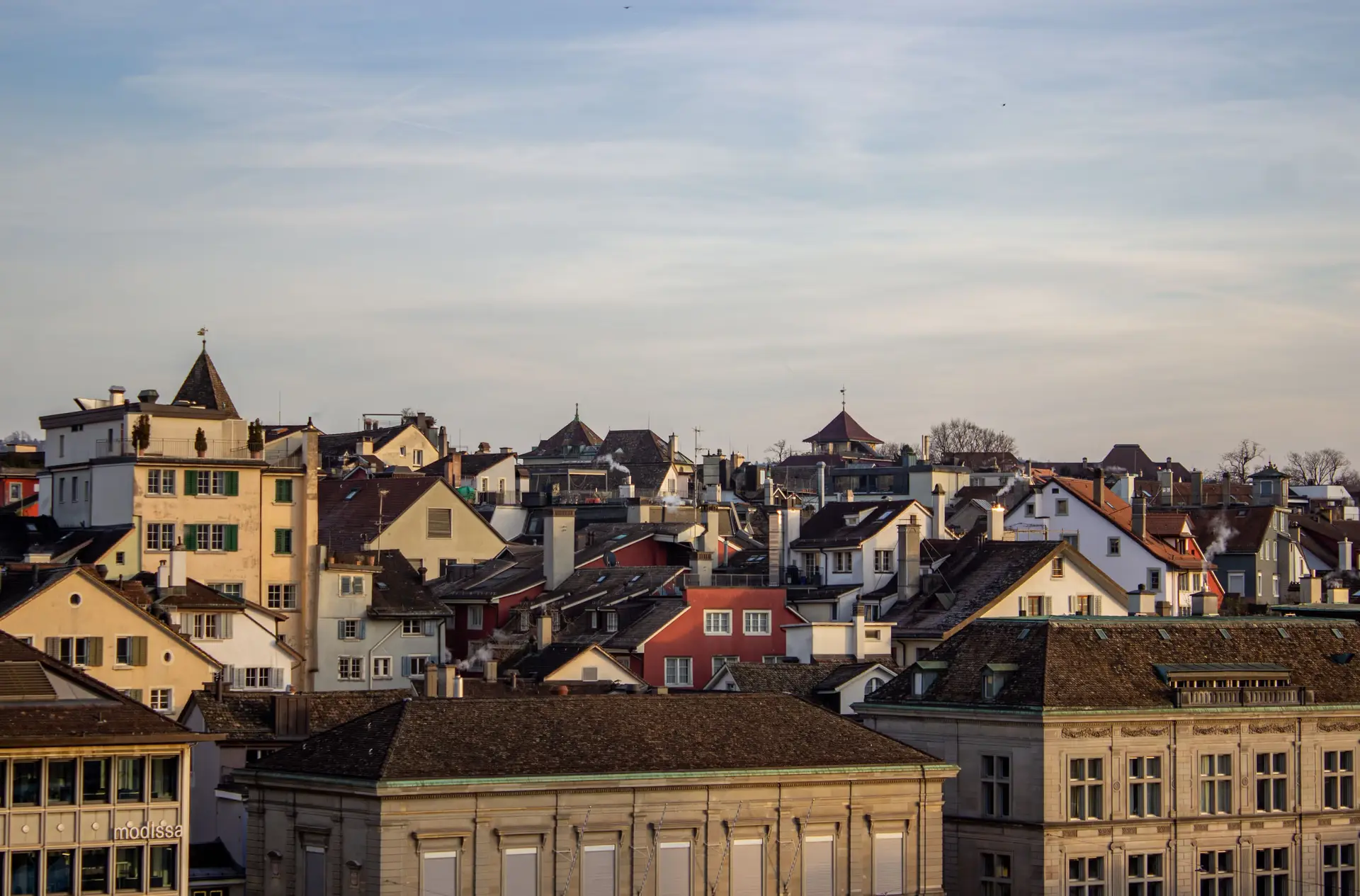
Switzerland is undeniably rich, and nowhere is this financial comfort more visible than at the local ballot box. The City of Zurich is preparing for yet another referendum, asking its voters to approve a staggering array of municipal credits. This is not a desperate plea for basic maintenance. Instead, the upcoming vote resembles a luxury catalogue of urban development, showcasing a highly functioning state system that simply does not know how to stop spending.
Take the city's approach to education. A good education system is a Swiss hallmark, but Zurich’s execution borders on the opulent. Taxpayers are asked to approve 141 million francs for the new Höckler school complex in the Manegg district. Slated for completion in 2032, this is no mere collection of classrooms for its 22 classes. The blueprint includes a swimming pool, multiple sports halls, specialized facilities for deaf students, and a running track installed on the roof. Not to be outdone, the rapidly growing Albisrieden neighborhood requires 138 million francs for the Utogrund school and sports facility, designed to accommodate 400 students while serving local clubs in the evening.
Beyond education, the municipal government is eager to play both landlord and environmental engineer. A proposed 40 million franc youth housing credit aims to subsidize living spaces for students, doubling the previous allocation from 2010. On the other end of the demographic spectrum, voters will decide on a 21 million franc expenditure to build 115 retirement apartments in Seebach.
Meanwhile, the city’s lake basin requires a 69 million franc ecological upgrade. Local authorities plan to engineer new shallow water zones and reed belts. Ostensibly, this benefits fish and waterfowl, but it is actually a bureaucratic necessity to secure concession renewals for existing harbors and bathing facilities.
Then there is the peculiar Swiss habit of publicly funding one's own political headaches. The ballot includes nearly 8 million francs to extend the interim use of the former Zentralwäscherei until 2034. Billed as a cultural and meeting space, the venue is known for hosting politically controversial events. Critics rightly question why taxpayers should underwrite radicalism, yet the city administration pushes the credit forward with characteristic naivety. Even waste management gets a premium treatment, with 33 million francs earmarked for a new, centrally located recycling center in Altstetten, built largely from reclaimed materials.
In total, Zurich’s electorate will casually decide on nearly half a billion francs in a single voting Sunday. The sheer scale of these projects highlights the privileges of a wealthy, non-EU municipality that can afford to debate rooftop running tracks rather than municipal bankruptcy. It is a comfortable, if slightly absurd, democratic exercise. The money is there, the state functions smoothly, and the voters will likely approve the bulk of it without breaking a sweat.
Written by Martina Kirchner martina.kirchner@alpineweekly.com