Oct 29, 7:00 AM
When Public Service Demands Private Immunity
Australian defence officials tried to ban social media clips of parliamentary hearings, claiming public scrutiny poses a security threat.
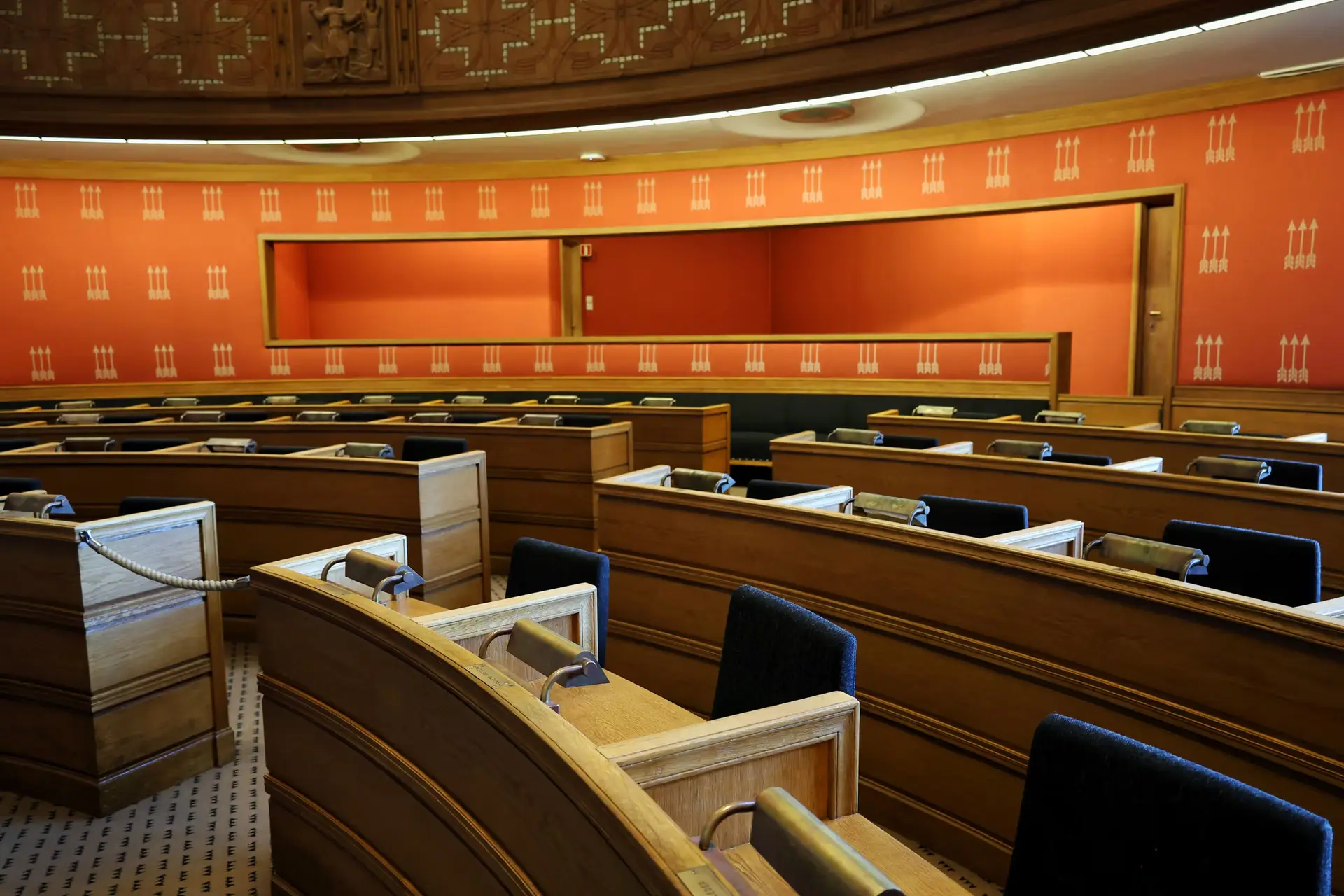
Senior defence bureaucrats in Canberra appear to have identified a novel threat to state resilience: public accountability on social media. When officials are called to account before parliamentary committees, the administrative reflex to pull the curtains and manage the audience seems stronger than ever.
Freedom of Information documents recently exposed a concerted effort within Australia's Department of Defence to limit how testimony given in Senate hearings is distributed. Deputy Secretary Celia Perkins, with explicit backing from Department Secretary Meghan Quinn, led a strategy to request that social media users be prohibited from reposting footage of defence staff giving evidence. The offices of Deputy Prime Minister Richard Marles and Assistant Defence Minister Peter Khalil were kept informed as bureaucrats searched for wording that would stand up to political scrutiny.
The argument assembled by the department was a study in contemporary administrative self-preservation. Perkins argued that edited clips posted online invited personal abuse, distressed staff, and exposed officials with security clearances to foreign intelligence threats. Internal correspondence shows senior executives agreeing that framing the issue around workplace safety and cyber risks provided a defensible justification to curb digital sharing.
The attempt to dictate how citizens engage with public proceedings met immediate resistance in the committee chamber. Senator David Shoebridge rejected the proposal on the spot, noting that witnesses appearing at an open hearing do not possess the right to censor public observation. Following guidance from the Senate clerk, the committee discarded the request, maintaining the longstanding principle that parliamentary evidence belongs to the public domain.
The episode reflects a growing, uncomfortable tendency among modern public institutions to rebrand democratic oversight as an unacceptable workplace hazard. Safeguarding employees from genuine harassment is necessary, but stretching health and safety obligations to cover embarrassing or critical social media commentary conflates personal protection with institutional opacity. When public servants testify before parliament, public scrutiny is not a security flaw—it is the basic mechanics of governance.
Written by Sandy van Dongen sandy.vandongen@alpineweekly.com