Oct 29, 9:01 AM
Woven Perfection and the Fear of Social Disruption
Alex Huston Fischer and Eleanor Wilson fashion a sly fable on conformity, but shy away from its darkest edges.
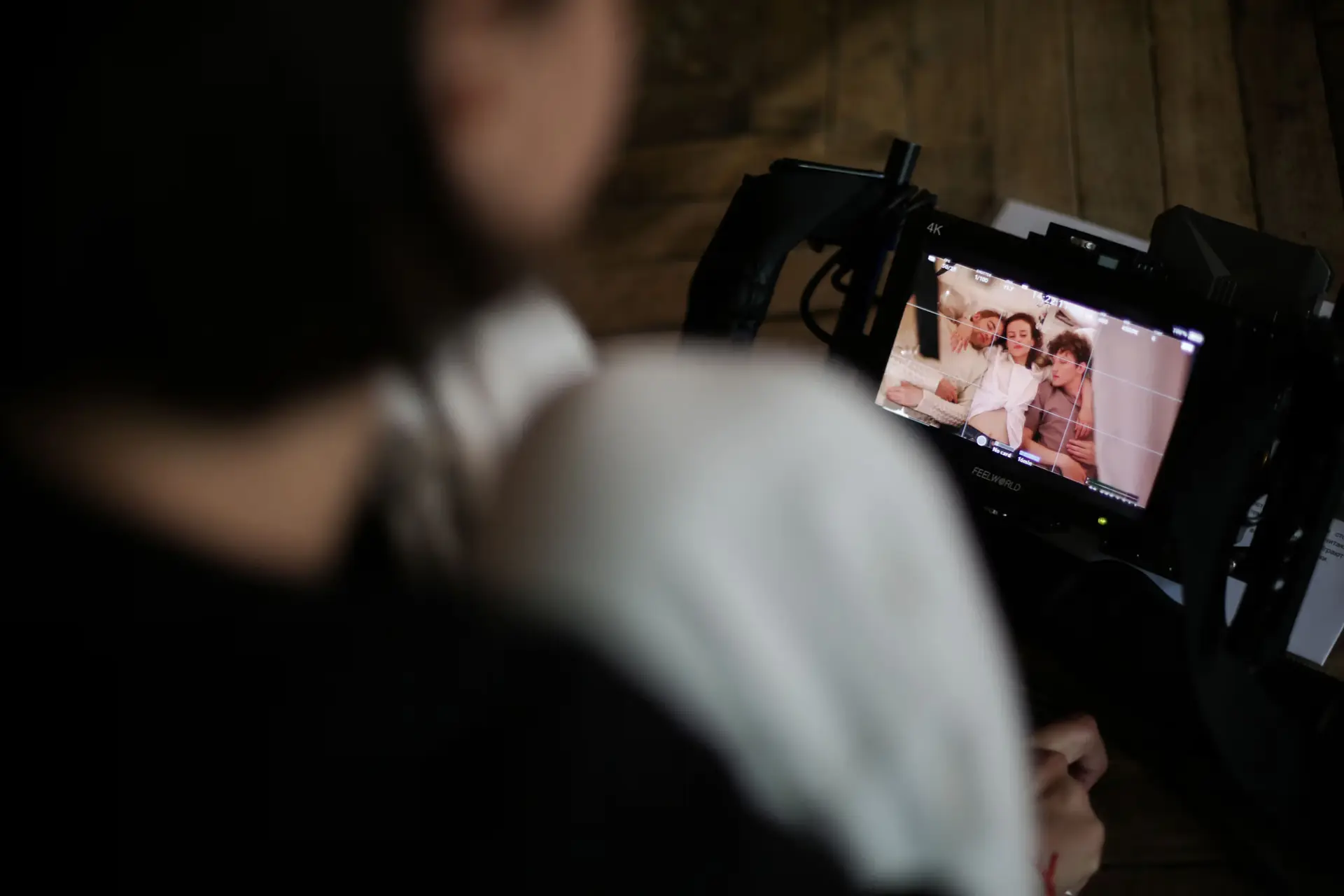
Small-town conformity has long demanded submission to the mundane, but few cinematic heroines choose so literal a path of defiance as ordering a spouse made of twigs. In Wicker, directed by Alex Huston Fischer and Eleanor Wilson, an ostracized fisherwoman played by Olivia Colman attempts to solve her social isolation by commissioning a custom partner woven from osier. Based on Ursula Wills’ short fable The Wicker Husband, the film presents a trenchant look at how tight-knit communities enforce mediocrity and penalize anyone refusing to walk in lockstep.
Colman’s character, mocked by her nameless neighbors for her unkempt appearance and indifference to local marital traditions, turns to a forest basket weaver, played by Peter Dinklage. What arrives a month later is a striking, gentle giant brought to life by Alexander Skarsgård. Far from a hollow prop, Skarsgård's character balances physical presence with subtle humanity, aided immeasurably by the practical effects and prosthetics designed by Wētā Workshop.
The arrival of this crafted spouse instantly unsettles the village hierarchy. Where local husbands are self-absorbed and rigid, the wicker substitute proves attentive and deeply romantic, triggering envy and panic across the settlement. Elizabeth Debicki plays the scheming Tailor’s Wife, an arbiter of local standard-setting who cannot tolerate seeing a social outcast achieve genuine affection outside approved social norms.
The narrative thrives when dissecting the collective anxiety caused by an outsider who ignores established societal expectations. Yet, as the story moves toward its climax, the filmmakers hesitate to follow their premise to its logical, darker conclusion. Rather than leaning fully into a macabre Brothers Grimm atmosphere or confronting the bittersweet reality of temporary romance, the script pivots toward a safer, sweeter resolution. Supporting figures, including a cameo from Richard E. Grant and Dinklage’s opening monologues, remain somewhat underutilized in the process.
Fischer and Wilson have constructed an entertaining, frequently amusing fable that champions personal emancipation over herd mentality. It remains a charming cinematic outing, even if one wishes the creators had taken a lesson from their own protagonist and risked breaking the mold entirely.
Written by Martina Kirchner martina.kirchner@alpineweekly.com