
Oct 29, 9:02 AM
Himalayan Concrete: How Governance Failure Invites Disaster
While regional politicians point fingers at global warming, local authorities oversee a booming, unregulated real estate expansion directly in flood paths.
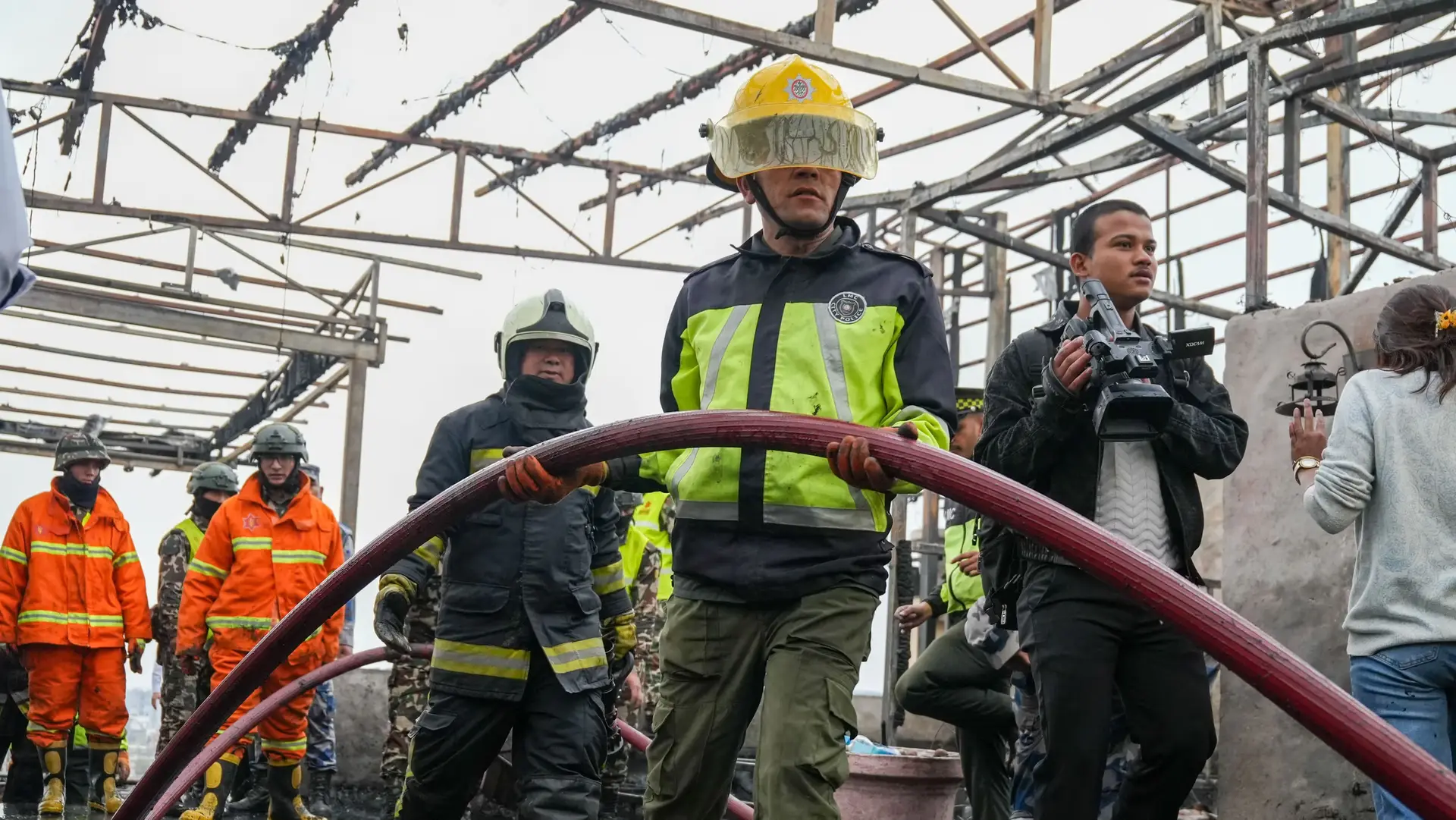
When a river reclaims its natural floodplain in the Himalayas, political leaders are quick to deliver impassioned speeches on global warming. Blaming distant external forces is, after all, far more convenient than explaining why concrete was poured directly into known flood paths in the first place.
A study published in Scientific Reports exposes this exact disconnect across Nepal, Tibet, and India’s Uttarakhand state. Between 2016 and 2023, built-up land in high-risk disaster zones expanded by 45 percent, putting at least 300,000 people directly in harm’s way. Around volatile glacial lakes, where sudden outburst floods pose the severe threats, concrete footprints surged by nearly 78 percent over the same seven-year period. Researchers led by University of Leeds glaciologist C Scott Watson evaluated lands within 50 vertical metres of riverbanks and more than 1,300 glacial lakes, cautioning that true exposure figures are likely much higher.
The economic drivers behind this surge are easy enough to identify. A booming tourist trade has transformed places like Pokhara into sprawling urban centers, while rivers such as the Bhotekoshi and Trishuli are increasingly crowded with newly built hydropower plants. Driven by short-term revenue, local entrepreneurs and investors build where land is flat and accessible—namely, on fragile riverbanks.
The state, meanwhile, excels at generating paper regulations while demonstrating zero capacity to enforce them. In Uttarakhand, formal zoning rules prohibiting floodplain construction have been widely ignored, prompting local officials to pass yet another set of rules this past October. In Pokhara, older structures stand mere metres from the rushing waters of the Seti Gandaki River, despite nominal municipal setbacks.
When catastrophic deluges strike, such as the floods in August that left over 1,400 dead or missing in Nepal, political leaders turn to international forums to lament their vulnerability. Nepali Prime Minister Balendra Shah told the UN General Assembly that his country pays a colossal price for a crisis it did not create, forcing a poor nation to borrow money for damage caused by others.
While regional warming certainly accelerates glacial melt, the risk multiplying on the ground is largely self-inflicted. State planning agencies have failed to establish basic order, leaving fragile ecosystems at the mercy of short-sighted development. Some experts, such as Basanta Raj Adhikari of the Centre for Disaster Studies, point out that risk-differentiated insurance pricing could offer a practical alternative to unenforced bans. Aligning financial liability with actual risk would force developers to internalize the cost of reckless site selection, achieving through market incentives what public authorities consistently fail to deliver on paper.
Written by Thomas Nussbaumer thomas.nussbaumer@alpineweekly.com