
Nov 5, 9:01 PM
US Senate Democrats Divided over Schumer's Leadership after Midterm Elections
At least seven newly elected senators oppose or question the re-election of Majority Leader Chuck Schumer despite the party's Senate majority.
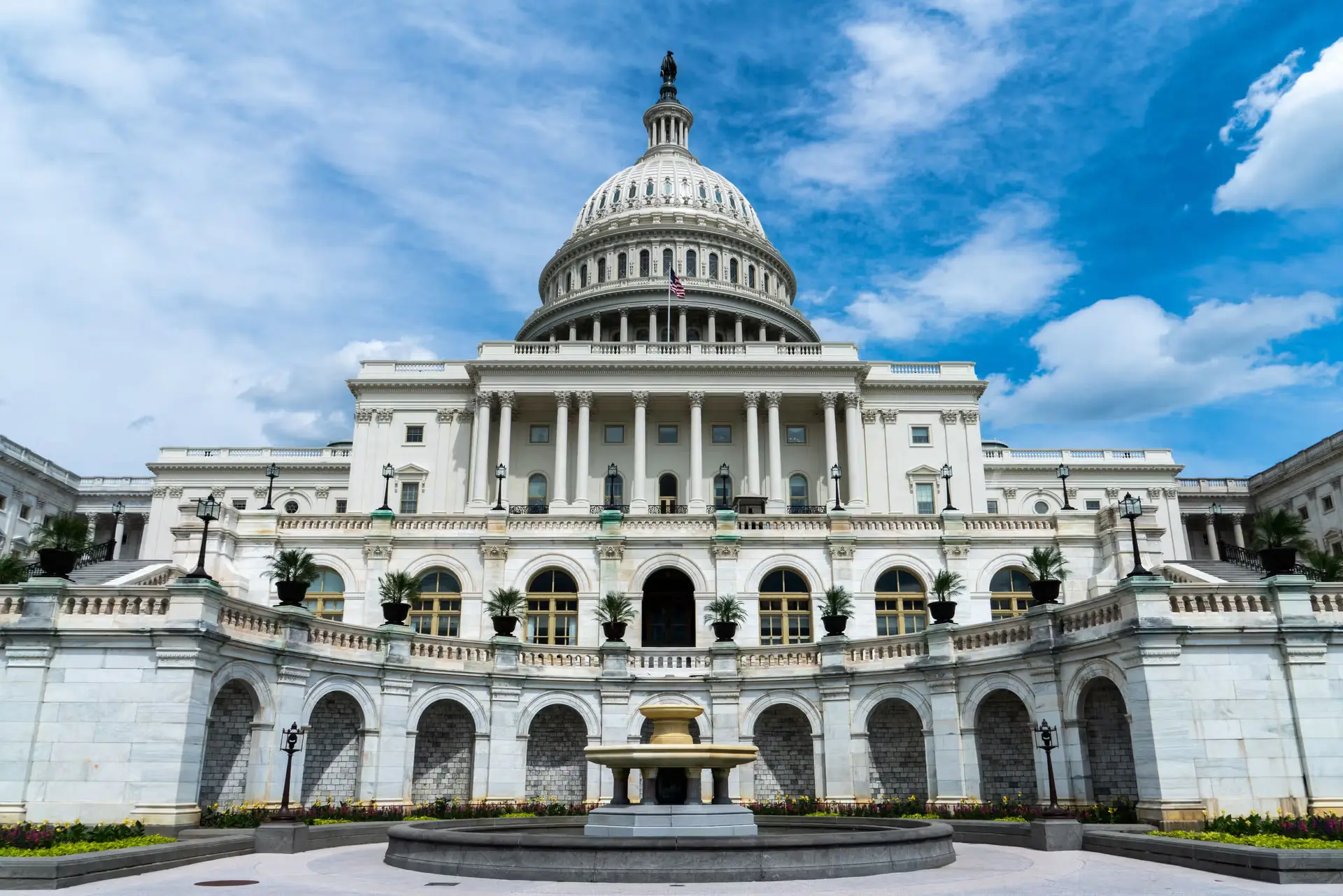
Following the midterm elections in which Democrats secured a projected Senate majority of 54 to 56 seats, Senate Majority Leader Chuck Schumer is encountering resistance within his party ahead of a planned leadership vote next month. At least seven incoming Democratic senators have publicly indicated that they will not back the 75-year-old New York lawmaker for another term leading the caucus, citing calls for younger leadership and a shift in legislative strategy.
Among those withholding support are Senator-elect Troy Jackson of Maine, who stated he informed Schumer directly of his intent to back another candidate, and Minnesota Senator-elect Peggy Flanagan, who told reporters that the party requires new leadership. Michigan Senator-elect Abdul El-Sayed expressed support for Maryland Senator Chris Van Hollen as leader, while Kansas Senator-elect Adam Hamilton, Illinois Senator-elect Juliana Stratton, and New Hampshire Senator-elect Chris Pappas have also stated their opposition to Schumer. Texas Senator-elect James Talarico said he wants to evaluate Schumer's proposed vision before deciding on his vote.
Pressure on the leadership choice has also come from outside groups and sitting members. Progressive organisation Indivisible released a memorandum calling for a contested leadership election rather than an uncontested path for Schumer. Senator Van Hollen told Bloomberg that Democrats should demand a clear commitment to a bold legislative program before backing any candidate. In contrast, Georgia Senator Jon Ossoff's office declined to state whether he would support the current leader.
Schumer's past record has drawn mixed assessments from within his party. During a federal government shutdown the previous year, his decision to support a funding bill without securing policy concessions drew criticism from California Governor Gavin Newsom, who termed the move a capitulation, while Representative Rashida Tlaib argued that Schumer should have resigned. Additionally, during remarks to Jewish leaders in New York in February, Schumer pointed to his role in securing security assistance for Israel as a key duty.
Schumer expressed confidence on Wednesday in Washington that he would retain his position, asserting that the midterm outcomes reflected voter priorities rather than internal leadership questions. He stated that the Senate Democratic agenda would focus on investigating the administration of President Donald Trump and challenging its policies, including military involvement in Iran. Senator Cory Booker of New Jersey publicly backed Schumer in comments to ABC, attributing the party's electoral gains to his leadership. A simple majority of the Senate Democratic caucus is required for Schumer to secure re-election when lawmakers return to Washington.
Written by Andreas Hofer andreas.hofer@alpineweekly.com