Oct 31, 3:01 PM
The Transatlantic Security Illusion
Keir Starmer warns Europe that America's strategic retreat is permanent, but turning to Brussels will not solve the continent's defense deficit.
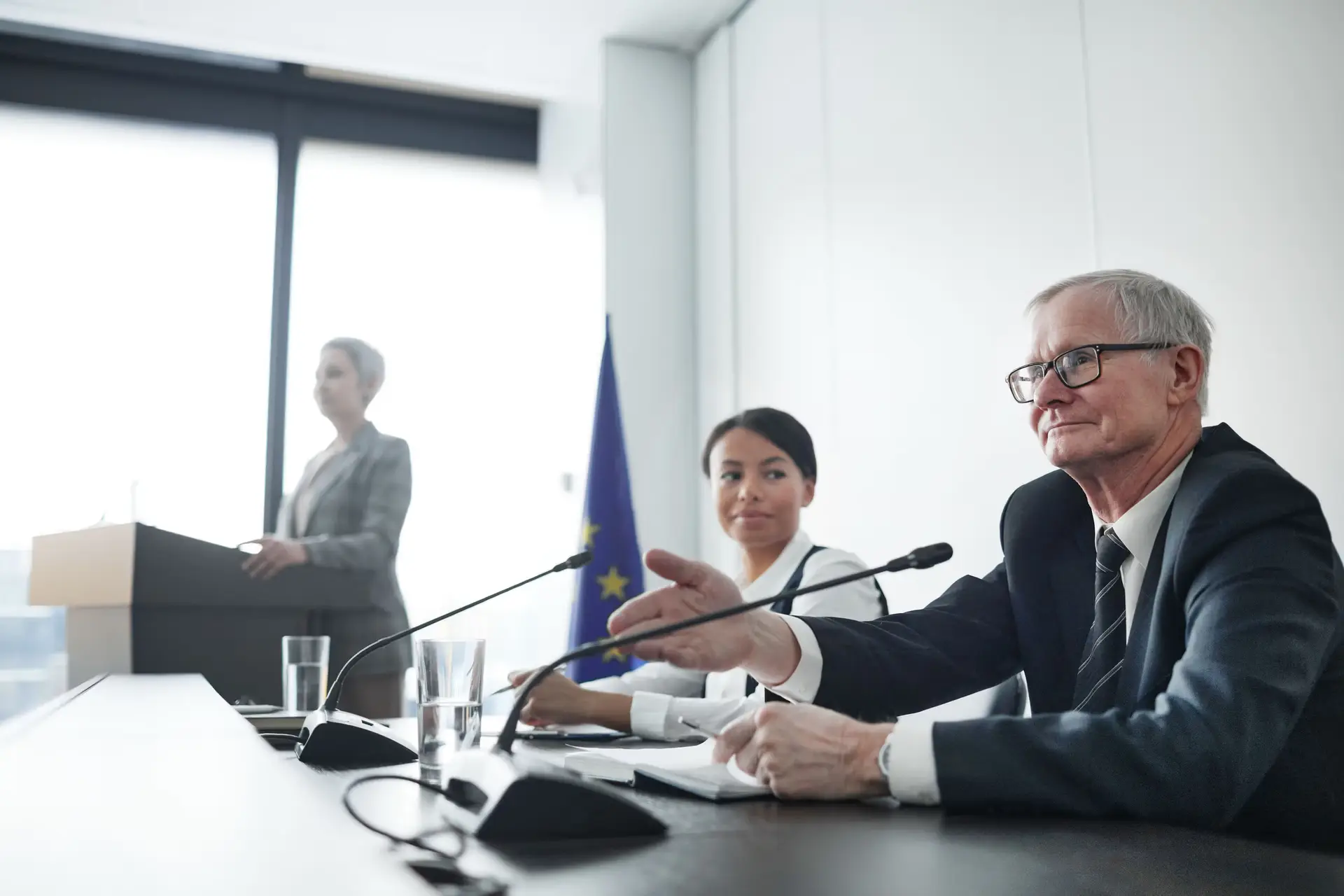
There is a distinct luxury in post-prime-ministerial life. Once freed from the immediate pressures of governing, former leaders suddenly discover clarity. Speaking at the British Irish Chamber of Commerce in Dublin, Keir Starmer offered his former continental colleagues a dose of uncomfortable reality: the transatlantic security umbrella has fundamentally changed, and no change of tenant in the White House will restore the post-1945 status quo.
Starmer warned that Europe had been caught unprepared twice in recent years. First, when military conflict in Ukraine exposed structural weaknesses in continental defense capabilities; second, when President Donald Trump made it explicitly clear that American taxpayers would no longer bankroll European security. According to the former prime minister, this shift in Washington is not a temporary anomaly of the Trump presidency, but a permanent recalibration of American foreign policy.
The diagnosis is hardly novel, but the proposed remedies reveal the persistent reflex of the political class. Starmer called for a common pan-European security framework alongside economic re-engagement, citing the economic damage caused by Brexit. His successor in 10 Downing Street, Andy Burnham, appears equally eager to draw closer to Brussels, with an upcoming EU-UK summit scheduled to address regulatory alignment on food standards, energy, and youth mobility schemes.
Whether Brussels is capable of providing the strategic agility required for defense remains a separate question. The European Union's administrative machine excels at regulatory expansion, yet it consistently struggles when confronted with hard geopolitics. While London points to its status as a nuclear power, its participation in next-generation fighter programs, and its heavy commitment within NATO, the broader continental debate frequently dissolves into bureaucratic discussions over standards and mobility. Meanwhile, Defence Secretary Wes Streeting reaffirmed London's commitment to Ukraine during talks with European counterparts in Paris, illustrating that defense requires military hardware rather than institutional declarations.
European leaders may find themselves agreeing with Starmer's assessment that Washington will no longer underwrite their security. Yet replacing an American guarantee with pan-European committees is unlikely to solve the fundamental problem: a chronic reluctance among European capitals to fund their own defense capabilities independently.
Written by Freya Stensrud freya.stensrud@alpineweekly.com