Jun 16, 2:03 PM
The Swiss Illusion of Security: Waiting for 2028 with a Museum Arsenal
While hostile actors probe critical infrastructure, Bern leisurely debates how to fund a modest military upgrade.
The Swiss Confederation sits on immense wealth, yet its approach to national security resembles a complacent retiree guarding a mansion with a rusty pitchfork. While hostile actors actively probe the continent's vulnerabilities, Bern is locked in a leisurely debate over a 2.4 billion CHF military modernization program. The target date for basic defensive readiness is 2028. Until then, the Alpine nation remains remarkably exposed to a rapidly shifting threat landscape.
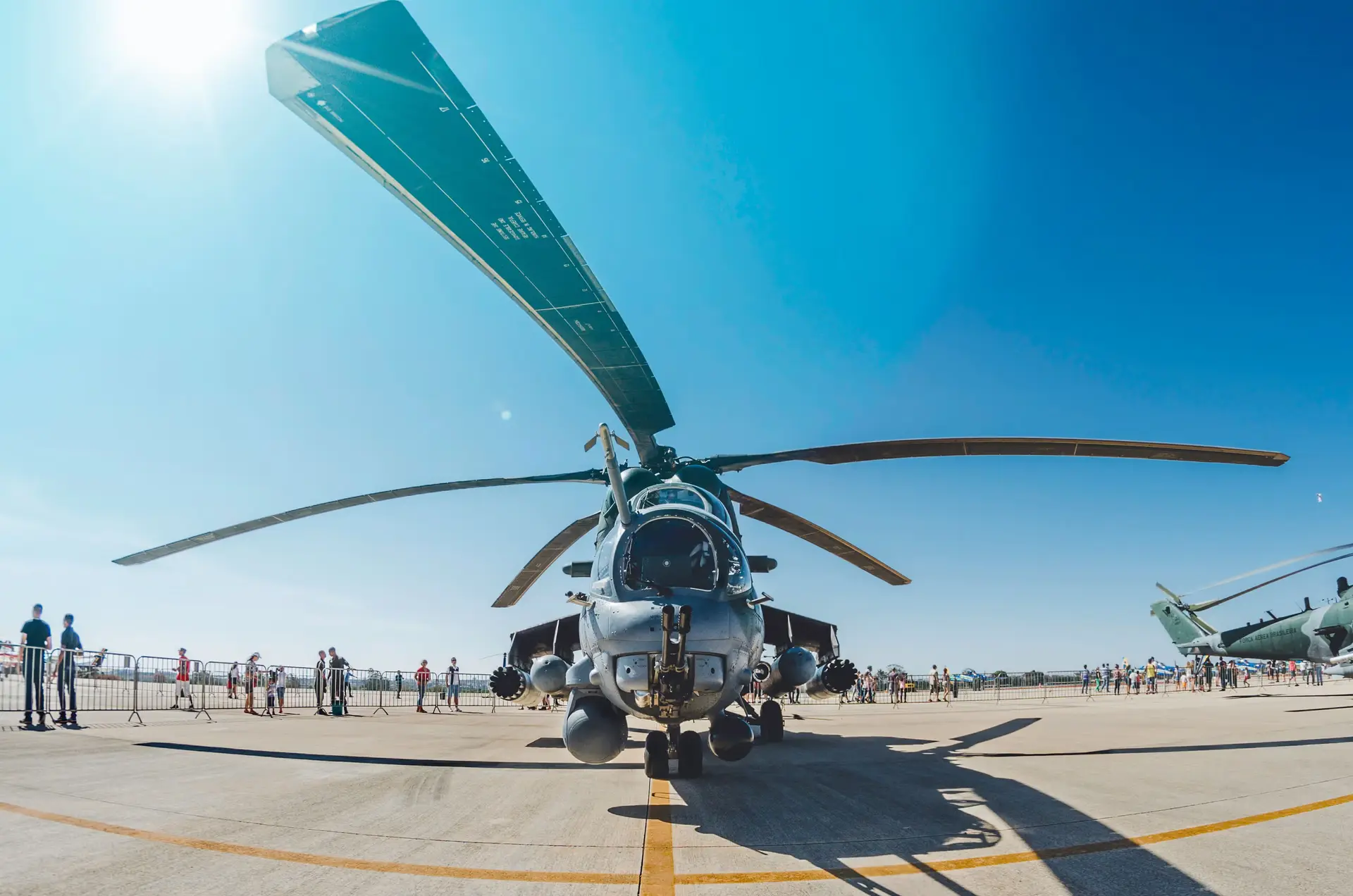
A glance at the current Swiss air defense arsenal reveals a collection better suited for a museum. The airspace is ostensibly protected by 30 aging F/A-18 jets procured in 1992 and 14 even older F-5 Tigers. Ground defense relies on 27 anti-aircraft guns from the 1960s and 96 Stinger units purchased at the end of the Cold War. With this antique inventory, only a microscopic fraction of the airspace can be secured. The Federal Council acknowledges an aerial assault is the most probable military threat, though they assume a comprehensive Russian bombing campaign remains unlikely.
This fixation on conventional bombardment ignores the immediate reality of hybrid warfare. The Federal Intelligence Service notes that Russia could sabotage critical infrastructures in Switzerland that are also very important at the European level. The agency confirmed that we are directly confronted with the consequences of a hybrid war. Statistics validate this grim assessment. The Federal Office of Civil Aviation recorded 104 drone overflights in 2025, doubling previous figures. Simultaneously, the Federal Office for Cybersecurity registered over 260 attacks on critical infrastructure within nine months, targeting hospitals, transport networks, and public administration.
Despite eroding its historical neutrality, Switzerland remains fundamentally naive about the speed of modern conflict. Western intelligence anticipates potential Russian strikes against NATO territory by 2028 or 2029. If the increasingly aggressive alliance surrounding Switzerland enters an active conflict, the Alpine nation will inevitably feel the shockwaves. Yet, the earliest the military expects to deploy modern drone defense is 2028, according to Federal Councillor Gerhard Pfister. Defending against long-range attacks by then is admittedly impossible. Future systems like Patriot missiles and F-35A jets will also rely entirely on foreign data flows, shattering the illusion of defensive autonomy.
Meanwhile, the domestic political theater continues unabated. Pfister struggles to close a funding gap for the 2.4 billion CHF armaments package, worsened by cost overruns for the new hardware. His proposal to finance national security through a value-added tax increase met fierce resistance across the political spectrum. Lawmakers eagerly cite social concerns and financial orthodoxy to justify delays. Bern is now quietly searching for alternative funding models ahead of the autumn session. While adversaries map critical infrastructure, the comfortable republic debates accounting tricks.
Written by Thorben Thiede thorben.thiede@alpineweekly.com