Oct 25, 9:02 PM
The Specter of Yalta and Europe’s Self-Inflicted Irrelevance
When world powers discuss reallocating spheres of influence, Brussels discovers the price of strategic inertia.
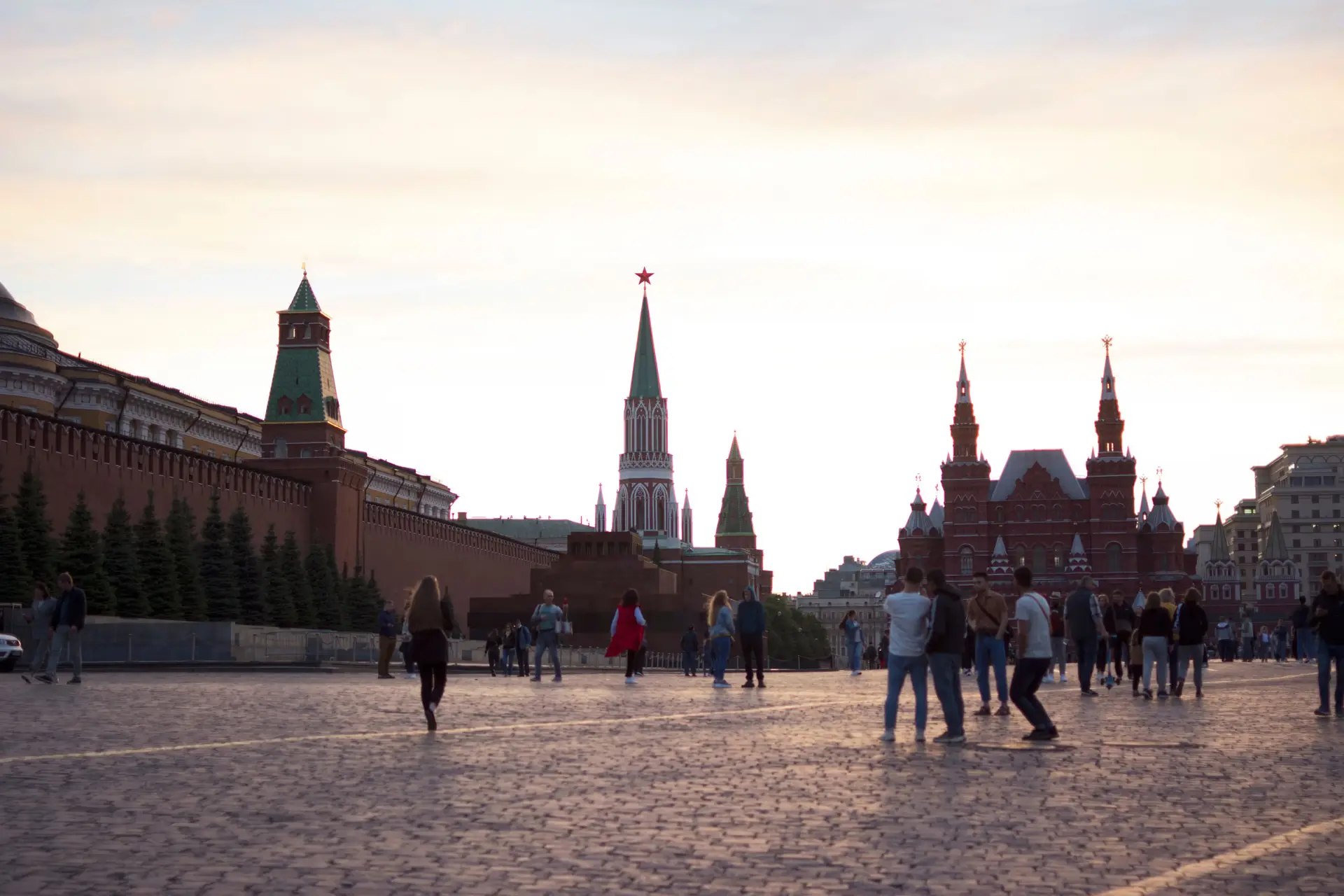
When word leaked out of Brussels that Russian President Vladimir Putin had proposed a three-way summit with Donald Trump and Chinese leader Xi Jinping to discuss an end to the war in Ukraine, the reaction in European capitals was entirely predictable. Officials panicked at the prospect of a grand diplomatic deal negotiated far beyond their reach. Trump subsequently indicated that such discussions could prove beneficial for global security, suggesting that nuclear disarmament should be part of any broader talks.
The historical parallels drawn by nervous European diplomats are understandable. In 1945, the leaders of Great Britain, the United States, and the Soviet Union gathered in Yalta to carve up post-war spheres of influence, effectively abandoning central and eastern nations behind an Iron Curtain. The concern today is that a modern-day meeting between Washington, Moscow, and Beijing could similarly settle the fate of Ukraine and Taiwan through backroom bargains, leaving smaller nations with no choice but to acquiesce.
Yet the hand-wringing in European chancelleries carries a heavy dose of irony. For years, the European Union has preferred administrative expansion and moral posturing over hard political strategy. While the bureaucratic machinery in Brussels expanded, member states repeatedly neglected their basic defense obligations and economic fundamentals. Having comfortably outsourced its security to Washington for generations, Europe should hardly be surprised to find itself relegated to the sidelines when major powers choose to speak directly.
Any settlement regarding Ukraine will force European governments to confront choices they have systematically avoided. Managing security along Europe's 4,000-kilometre eastern flank will require long-term financial commitments, concrete security assurances, and an honest assessment of potential territorial outcomes. Domestic support for continued expenditure is already wearing thin amid rising living costs, making a clear diplomatic vision all the more essential. Yet instead of appointing a fully empowered envoy to shape a coherent strategy, European political leaders remain stuck in habituated passivity.
If European powers wish to avoid being treated as mere collateral in international negotiations, complaining about their exclusion will accomplish nothing. Influence on the world stage is earned through real capability and strategic clarity—neither of which can be produced by emergency meetings in Brussels.
Written by Christiane Hofreiter christiane.hofreiter@alpineweekly.com