Aug 6, 6:04 AM
The Rebranding of a Junta Chief: Min Aung Hlaing Tests the Diplomatic Waters in Bangkok
Myanmar’s leader swaps his military uniform for a civilian suit, finding pragmatic neighbours eager to overlook a sham election.
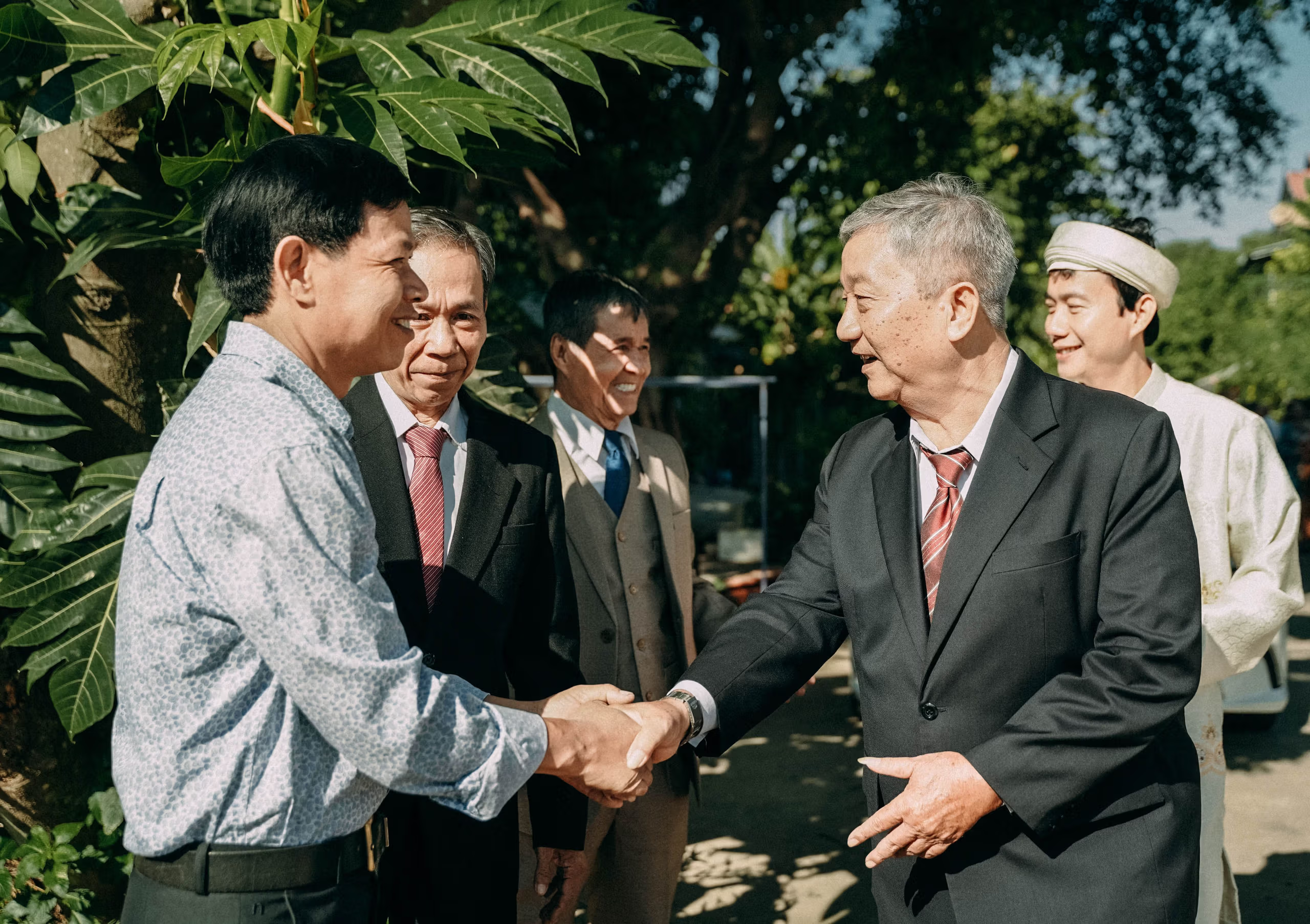
A tailored suit can do heavy lifting in international diplomacy. On Thursday, Min Aung Hlaing touched down in Bangkok, leaving behind his military fatigues in favour of the wardrobe of a civilian president. The architect of Myanmar's 2021 coup is on a rehabilitation tour, and neighbouring Thailand is proving a willing host.
Tracking data confirmed a flight from Naypyidaw to Bangkok, where the newly minted president was scheduled to receive an honour guard welcome. He sits down for a one-on-one with Thai Prime Minister Anutin Charnvirakul, followed by a business forum and a state dinner. The anticipated deliverable is a memorandum of understanding on labour cooperation. It is a striking tableau for a man wanted by the International Criminal Court and heavily sanctioned by Western capitals.
Min Aung Hlaing assumed the presidency in April following elections widely dismissed by democratic watchdogs as an elaborate theatre to launder the junta’s reputation. Yet, the rebranding appears highly functional. He has already secured audiences in India, China, and Laos, swapping the isolation of a pariah state for regional engagement.
Bangkok’s decision to receive him is driven less by an endorsement of Naypyidaw’s political manoeuvres and more by stark border pragmatism. The civil war triggered by the 2021 ouster of Aung San Suu Kyi has claimed an estimated 100,000 lives, sending millions of refugees across the porous Thai frontier. Beyond the human spillover, Thailand is grappling with a surge in illicit drug trafficking and sprawling cyberscam networks operating from Myanmar’s volatile borderlands. Thai Foreign Minister Sihasak Phuangketkeow indicated that the issue of scam networks would be raised, noting that both Myanmar and Cambodia must do more to combat the problem.
Thailand is spearheading an effort to bring Myanmar back into the regional fold, both bilaterally and through the Association of Southeast Asian Nations. ASEAN, an organisation perpetually hampered by its own structural timidity, has formally excluded Myanmar’s leadership from high-level summits since the putsch. Naypyidaw has consistently ignored the bloc's five-point consensus aimed at ending hostilities. For Min Aung Hlaing, re-entry into ASEAN is a matter of status rather than survival. With diplomatic recognition already secured from India, China, Russia, and Thailand, the approval of the regional bloc is merely a decorative addition to his legitimacy.
To smooth the diplomatic waters ahead of the Bangkok trip, Naypyidaw offered a modest concession. On Monday, Aung San Suu Kyi, who remains under house arrest, was permitted to meet a representative of the International Committee of the Red Cross. It was her first confirmed interaction with a foreign official since a private meeting with Thailand's former foreign minister Don Pramudwinai three years ago. Foreign Minister Sihasak welcomed the development, expressing hope that the authorities would undertake further positive steps towards lasting peace and stability in the country. Such gestures cost the regime little, but they provide neighbouring capitals just enough diplomatic cover to justify a handshake.
Written by Andreas Hofer andreas.hofer@alpineweekly.com