Nov 3, 7:01 PM
Georgian Prime Minister Blames Brussels for Frozen EU Accession Process
Irakli Kobakhidze rejects demands to repeal foreign influence laws while insisting Tbilisi remains committed to European integration.
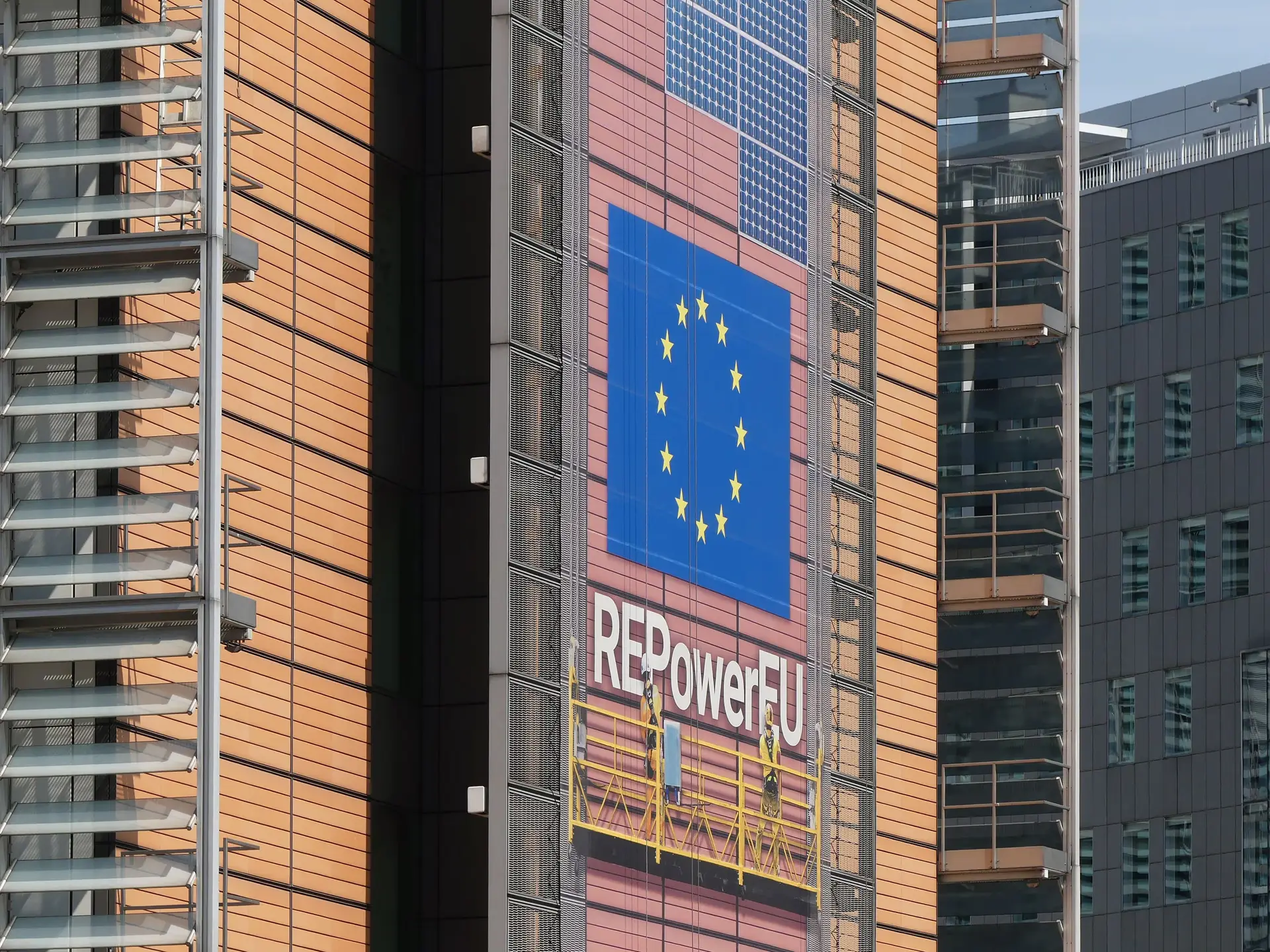
Georgian Prime Minister Irakli Kobakhidze has rejected calls from Brussels to repeal controversial foreign influence legislation, while reiterating his country's commitment to joining the European Union. Speaking at the Euronews Enlargement Summit on Tuesday, Kobakhidze accused the European Commission of political bias and stated that responsibility for the stalled accession process lay with EU officials in Brussels.
Kobakhidze ruled out reversing the laws governing foreign influence transparency and NGO registration, which have drawn sharp criticism from European bodies. The Council of Europe's Venice Commission had previously issued two legal opinions calling for the legislation to be reconsidered, citing vague definitions and disproportionate penalties. The Prime Minister stated that withdrawing the measures would violate Georgian sovereignty, comparing European demands to directives issued by Moscow during the Soviet era.
Georgia applied for EU membership in 2022 alongside Ukraine and Moldova, following Russia's invasion of Ukraine. Although Brussels initially withheld candidate status while granting it to Moldova and Bosnia, Georgia was granted candidate status in December 2023. However, relations cooled rapidly after European officials cited democratic backsliding regarding judicial independence and media freedom.
In November 2024, the government in Tbilisi unilaterally announced it would not seek to open accession negotiations before the end of 2028. Despite public opinion polls indicating that nearly 80 percent of Georgians support EU accession, Kobakhidze maintained that the halt in dialogue was initiated by Brussels. He stated that his administration remained prepared to join negotiations immediately if the European Commission chose to open talks.
The European Commission's assessments have been endorsed by the European Council, which represents the 27 EU member states required to approve any new member unanimously. In a resolution adopted in 2025, EU leaders urged Georgian authorities to cease hostile rhetoric directed at EU institutions and the bloc's diplomatic mission in Tbilisi.
Written by Sandy van Dongen sandy.vandongen@alpineweekly.com