
Oct 27, 7:01 AM
The Price of the Leviathan State
Mass student protests across France expose the bitter reality of a government that spends over half its national wealth yet cannot run its schools.
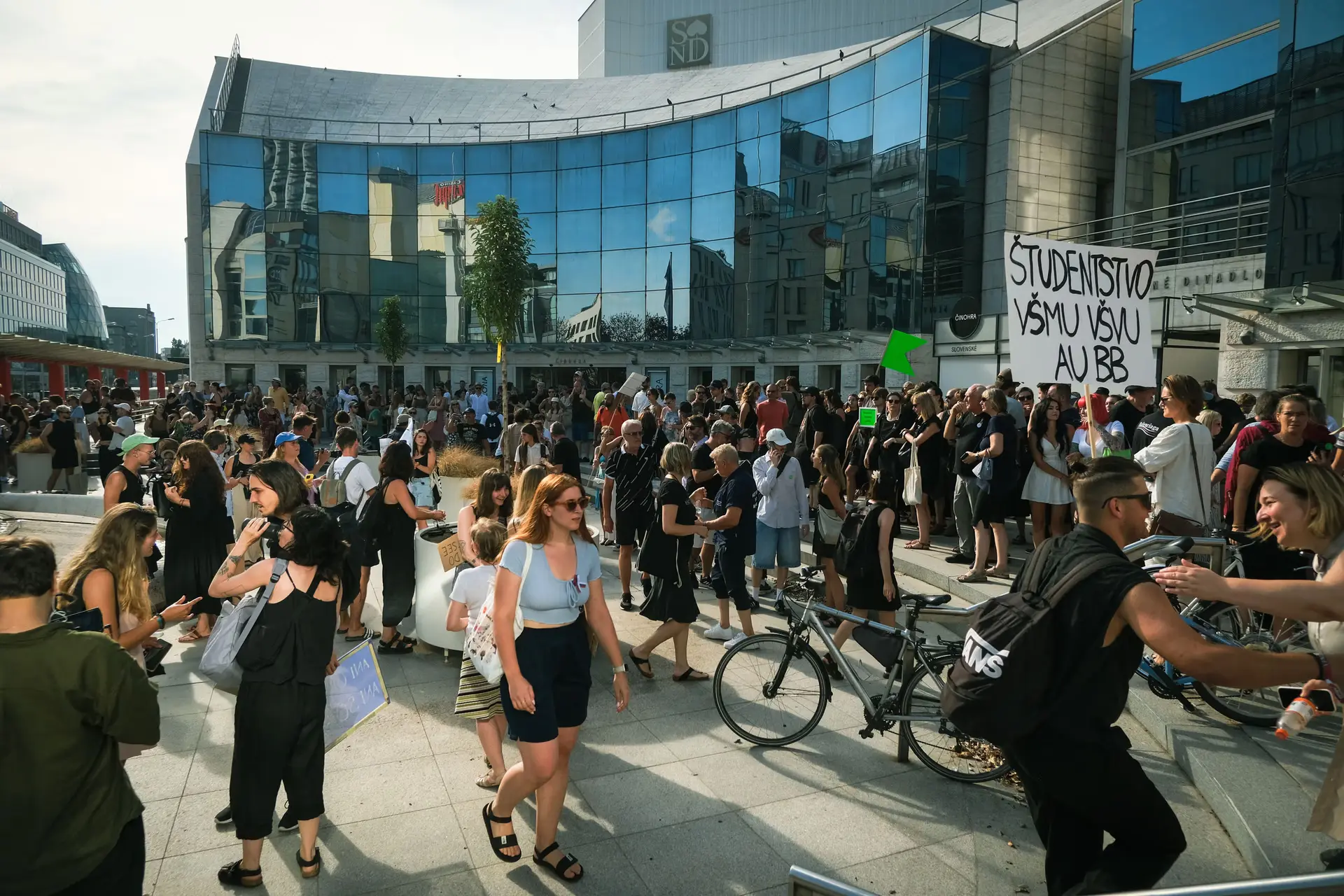
The French state has built a monument to its own fiscal indulgence, and now its youth are marching past the crumbling ruins. Over the weekend, 410,000 protesters flooded streets across the nation—including 110,000 in Paris alone—demanding functional classrooms, replaced teachers, and financial relief. What began in mid-September as local blockades against cold, rat-infested high schools with 35 pupils to a room has rapidly expanded into a full-scale assault on the government’s proposed 54-billion-euro budget cut package for 2027.
The irony is as stark as it is predictable. France’s state expenditures already consume roughly 57 percent of gross domestic product, making its public sector the largest among advanced economies. Yet, after decades of prioritizing massive welfare transfers and bloated bureaucracies over real productivity, the state finds itself incapable of providing basic public services. Teachers earn a gross annual salary of 41,968 euros—far behind their German counterparts at 69,453 euros—while nearly a third of some French ministry budgets is eaten up simply paying pensions for retired civil servants.
Instead of facing structural reality, the political class remains trapped in familiar paralysis. President Emmanuel Macron has deployed police, imposed curfews, and pointed fingers at ultra-left groups allegedly trying to bring down the Republic. Meanwhile, Prime Minister Sebastien Lecornu promises another crisis plan while urging ministers to check spending. But with national debt ballooning to 3.6 trillion euros—119 percent of GDP—and a budget deficit soaring to 5.4 percent, the French model has simply run out of room for maneuver.
Left-wing economists continue to offer the standard prescription: tax the wealthy and redistribute more. Yet with state spending already at unsustainable levels and 14 percent of GDP strictly allocated to pensions, total reliance on government redistribution has led directly to economic stagnation. When a state consumes well over half of everything its citizens produce and still delivers dilapidated schools and frozen salaries, the issue is not a shortage of tax revenue. It is a fundamental refusal to reform a broken model.
Written by Thomas Nussbaumer thomas.nussbaumer@alpineweekly.com