
Oct 27, 7:02 AM
Cross-Border Retaliation and the Fragile Illusion of Control
Jordan responds to a domestic massacre with airstrikes in Syria, exposing the costly political logic of regional security posturing.
State power often relies on swift, visible displays of force to obscure internal vulnerabilities. When gunmen opened fire on a Christian funeral in Karak last Friday, killing nine people and injuring 34 at a Greek Orthodox church, Amman faced an immediate domestic shock. The official response followed a familiar regional script: project military power outward, label the targets terrorists, and signal to a shaken public that the sovereign authority is taking decisive action.
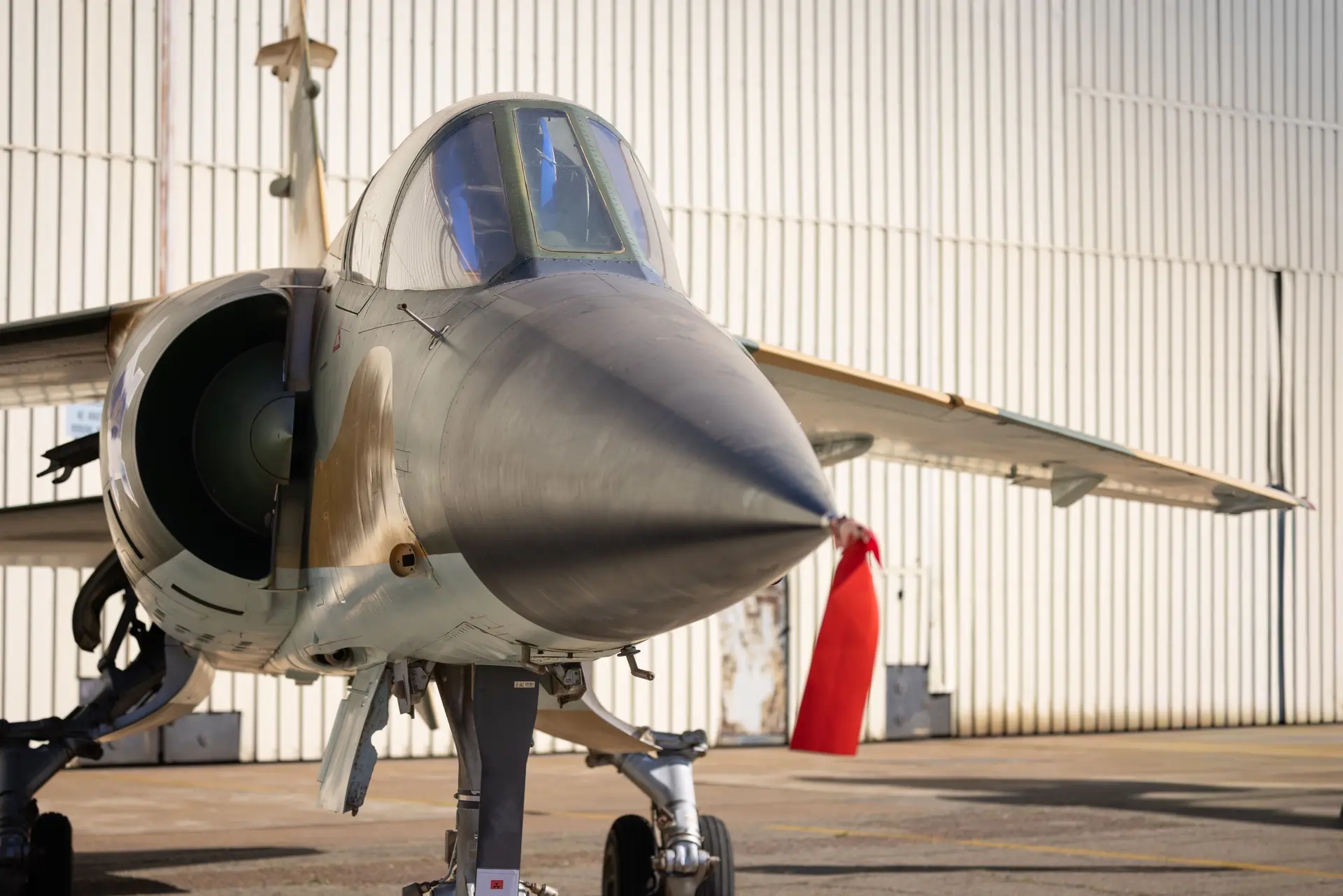
Jordanian fighter jets promptly struck targets in Syria’s southern Daraa province on Monday, with the military announcing it had eliminated and wounded several terrorists. But state violence rarely stays neatly confined to official announcements. Syrian health officials quickly reported that the airstrike killed five people in a village, including women, children, and an elderly man. While Amman asserted that it had coordinated the action with Damascus, Syrian officials flatly denied receiving any prior notification.
Meanwhile, the internal security apparatus was carrying out the actual police work at home. Before dawn on Monday, Jordan’s Public Security Directorate raided an abandoned house in a village near Karak, arresting three suspects—two brothers and their brother-in-law. Interior Minister Mazen al-Faraya confirmed that all three were Jordanian nationals who had holed up near the site of the attack. The revelation that the immediate perpetrators were local citizens makes the hasty impulse to drop bombs across the border look less like strategic deterrence and more like political theatre.
Damascus reacted with pragmatic economic pressure rather than pure rhetoric. Syrian authorities announced the immediate closure of the Nassib border crossing, the sole commercial and passenger transit point linking the two countries. State media released an official statement regarding the move: The decision includes the complete suspension of passenger and commercial traffic in both directions, to ensure the safety of travellers and workers at the crossing.
While Damascus opened direct communication channels to investigate the strike, shutting down the crossing effectively throttled a vital trade artery. Cross-border military strikes may satisfy the political demand for immediate action, but they rarely resolve the internal friction that fuels violence. By exchanging border security for diplomatic friction and economic dislocation, sovereign states simply trade one vulnerability for another.
Written by Freya Stensrud freya.stensrud@alpineweekly.com