Oct 26, 3:01 PM
The Okinawa Routine: Strangling, Restraining Orders, and Strategic Indispensability
The indictment of a US marine for murder in Naha reignites a decades-old conflict between military necessity and local anger.

Whenever a crisis flares up around the American military footprint in Japan, the script follows a predictable choreography: local outrage, political expressions of regret, immediate disciplinary restrictions from military commanders, and an eventual quiet resumption of business as usual. The formal indictment of a twenty-year-old Lance Corporal assigned to Marine Corps Air Station Futenma has once again set this well-rehearsed routine into motion.
Devin Jacob Ballard now faces formal charges of murder and robbery following the death of thirty-nine-year-old Anna Yagi. According to public prosecutors, the serviceman fatally strangled Yagi in a hotel in Naha, the capital of Okinawa, before absconding with a backpack containing her wallet. Security camera footage near the scene captured a man entering a room with Yagi and later exiting alone carrying her belongings. While Ballard initially claimed total ignorance during police questioning, Japanese media report that subsequent interrogations yielded statements hinting at his involvement.
For the family of Yagi, who expressed the hope that the accused would confront his actions and make appropriate amends, the loss is absolute. For military planners in Washington and Tokyo, however, the case represents another friction point in an alliance already weighed down by geography and domestic frustration. Okinawa hosts the vast majority of the 54,000 American troops stationed across Japan, effectively turning the island into a permanent pressure cooker.
The crime statistics suggest that such friction is hardly an anomaly. Local law enforcement recorded 80 arrests of US military personnel in 2024 alone, marking a twenty-year high. Since the United States handed control of Okinawa back to Japan in 1972, approximately 6,000 military personnel have been arrested. High-profile precedents—such as the life sentence handed down to former marine Kenneth Shinzato in 2017 for murder and rape, or the seven-year sentence given to Jamel Clayton in 2025 for sexual assault—ensure that local patience remains paper-thin.
Following Ballard’s indictment, Japanese Defense Minister Shinjiro Koizumi remarked that incidents and accidents involving US military personnel cause great anxiety among the local community and must not be allowed to happen. The military response was equally prompt: curfews and alcohol bans were slapped on personnel stationed across the island.
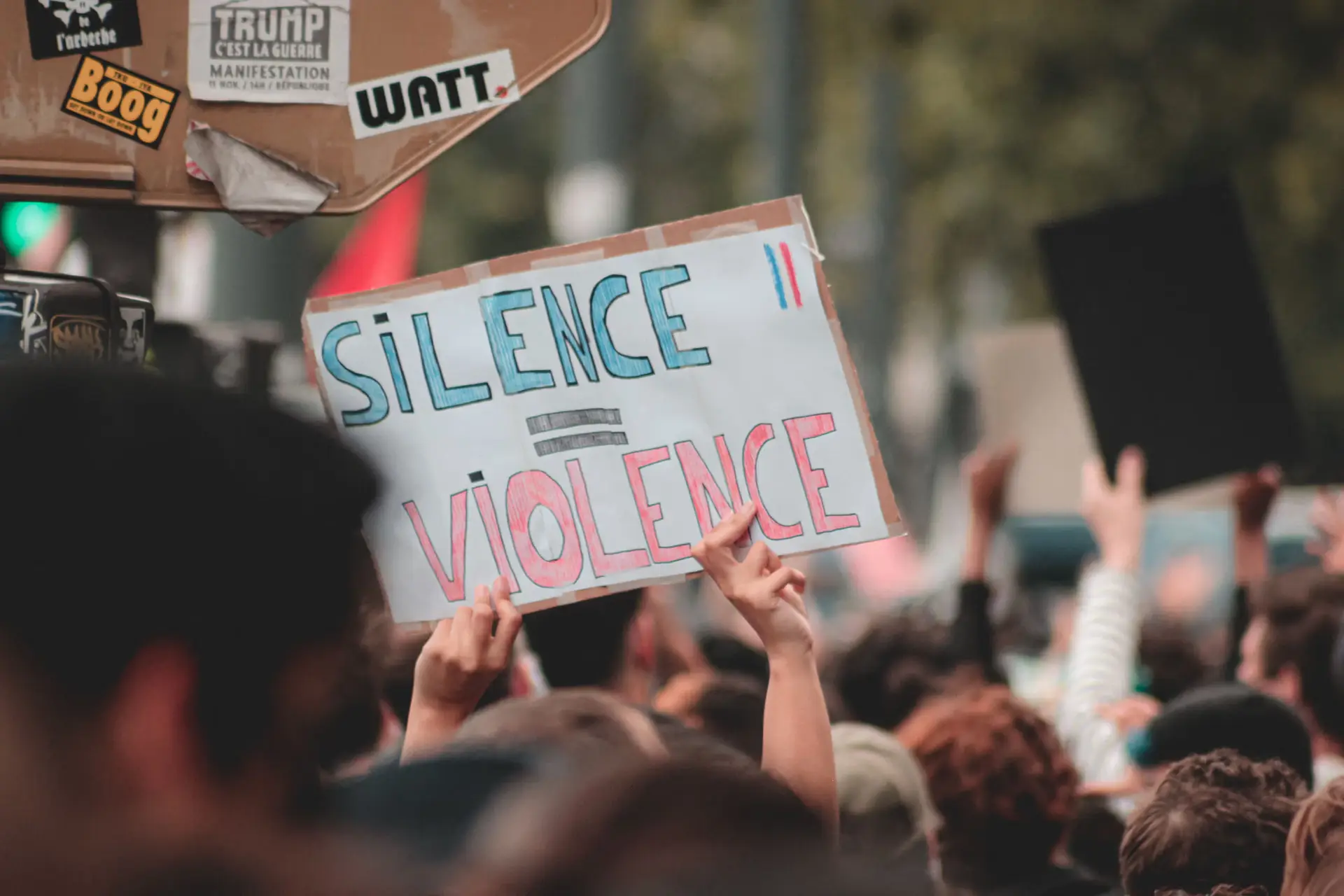
Protests have predictably spilled into the streets of Okinawa and Tokyo. Yet as Washington continues to rely on Japan as a critical Pacific anchor, both capitals are left to manage a perennial dilemma: how to maintain an essential security arrangement when the soldiers defending the territory periodically end up in its criminal courts.
Written by Christiane Hofreiter christiane.hofreiter@alpineweekly.com