Nov 2, 9:01 PM
The Illusion of De-escalation in Zaporizhzhia
A brief humanitarian truce quickly gives way to renewed strikes, highlighting the gulf between tactical arrangements and actual peace.
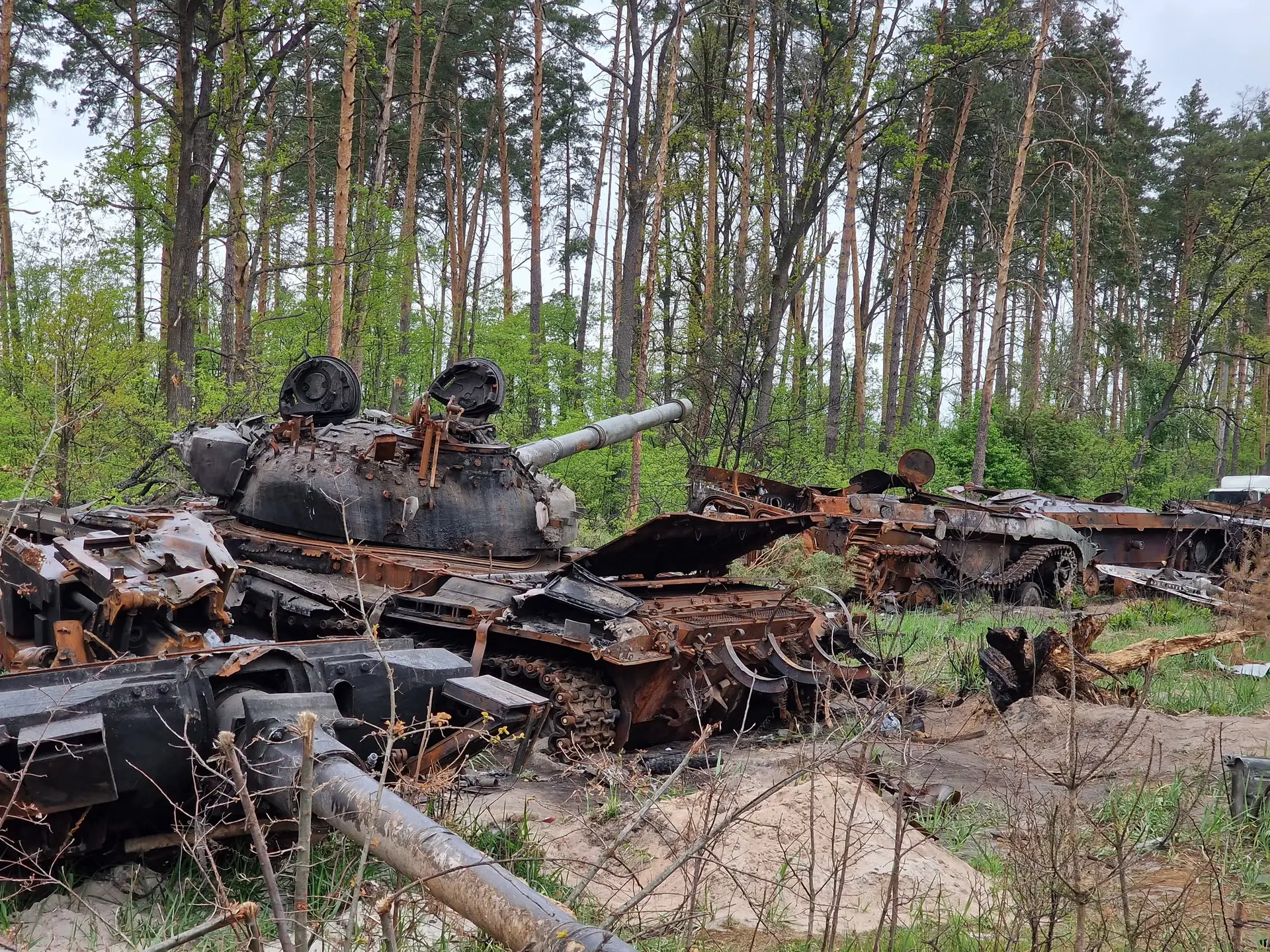
Diplomatic optimism in long wars is a fragile commodity, often shattered hours after it is voiced. Following a rare localized agreement that permitted civilian evacuations from southern Ukraine over the weekend, military operations resumed with force in the Zaporizhzhia region. The stark contrast between short-lived humanitarian cooperation and ongoing battlefield reality highlights the persistent distance between temporary tactical arrangements and any meaningful political settlement.
According to Ukraine’s State Emergency Service, an aerial bombardment on Monday targeted the settlement of Komyshuvakha in Zaporizhzhia, striking a school building utilized as a humanitarian aid distribution point. Ukrainian officials reported that at least 24 people were killed in the strike, among them four police officers and two emergency service workers, while five others sustained injuries. Emergency crews were subsequently deployed to search through the structural debris.
The mechanics of the attack, as detailed by regional governor Ivan Fedorov on Telegram, involved the deployment of at least nine KAB-3000 aerial bombs throughout the day. Ukrainian President Volodymyr Zelenskyy stated via his official social media channel that an initial bomb strike was followed by a subsequent double-tap strike specifically directed at a shelter where civilians had taken refuge.
The strike occurred shortly after a rare moment of practical coordination between the belligerents. Over the weekend, evacuees from the city of Oleshky in the Kherson region had been permitted to cross into Ukrainian-controlled territory via Belarus following a localized agreement between Kyiv and Moscow. That temporary movement of civilians had briefly sparked discussion regarding potential incremental steps toward broader de-escalation.
President Zelenskyy noted that the attack in Zaporizhzhia effectively dispelled those expectations, stating that the action signaled a continued reliance on military force rather than negotiation. Commenting on the strike, Zelenskyy insisted: There must be a response to this – a response from the world. Meanwhile, local authorities in Kherson reported that military activity had also resumed in their district, where a separate drone strike injured two elderly residents.
Written by Martina Kirchner martina.kirchner@alpineweekly.com