Nov 2, 9:01 PM
Berlin’s Illusory Fuel Cap
Economics Minister Katherina Reiche drafts a fuel price intervention so tightly constrained that even she seems to doubt its usefulness.
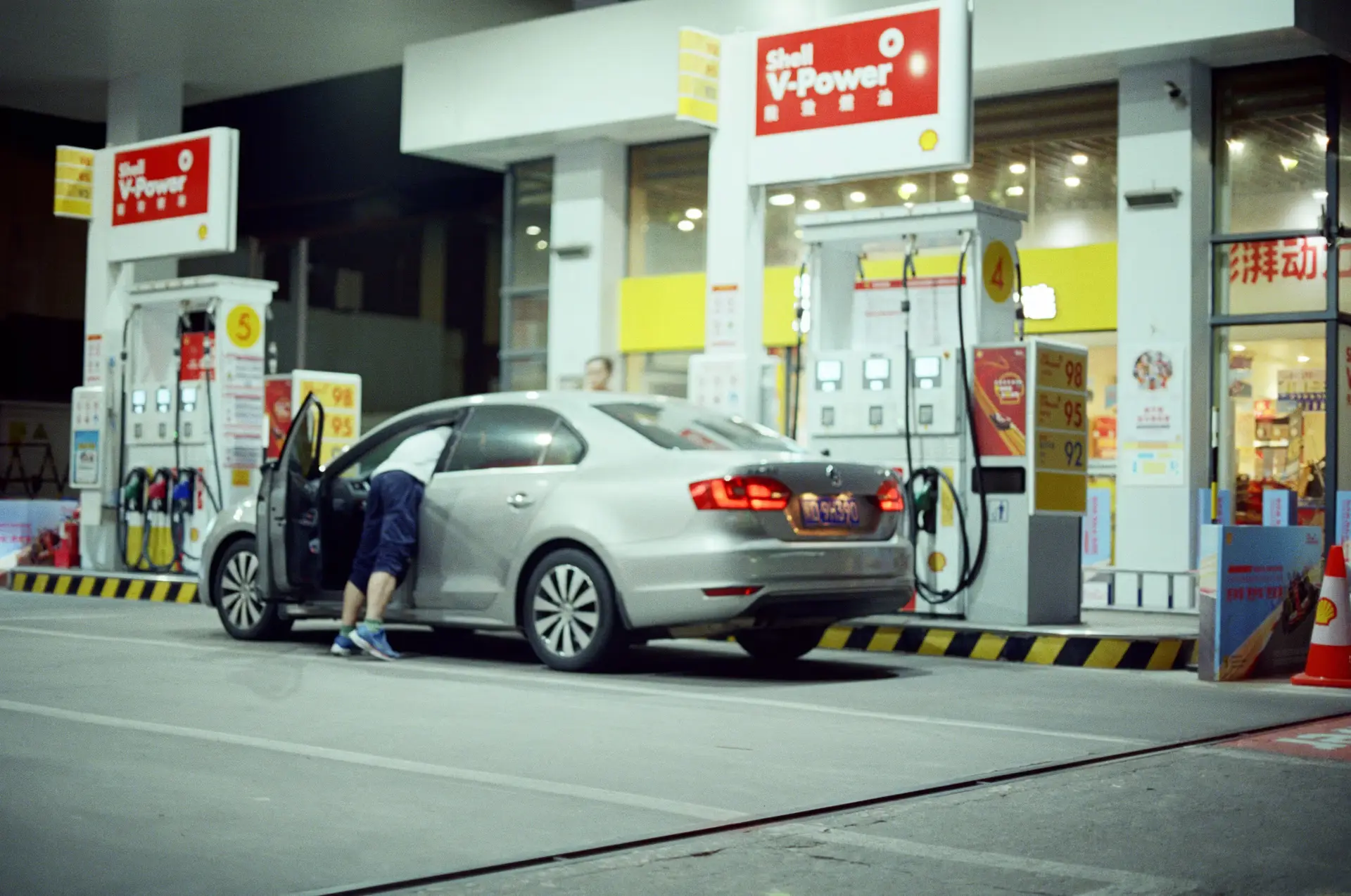
When political necessity clashes with market realities, the result is usually a masterpiece of bureaucratic hedging. Federal Economics Minister Katherina Reiche has unveiled a draft proposal for the so-called Fuel Maximum Price Act. Yet rather than delivering a decisive blow against inflation at the gas pump, the draft reads like a lesson in regulatory reluctance. The CDU minister has constructed an intervention mechanism wrapped in so many conditions that it appears designed never to be used.
Under the proposal currently undergoing early coordination within the government, Berlin would only gain the authority to cap fuel prices during extreme emergencies. In the draft bill, the ministry explicitly notes that price ceilings represent a severe intervention in market pricing and should apply only in extreme emergencies as a crisis instrument. The statutory threshold is deliberately high: gasoline or diesel prices in Germany would need to outpace the European Union average by more than five percentage points for three consecutive weeks. Even if this condition is met, any ceiling would automatically expire after three months. To add further administrative friction, individual federal states could opt to suspend the cap if supply risks arise, or even establish their own regional price variations.
The SPD, the coalition partner, views the proposal with predictable skepticism. SPD parliamentary deputy Armand Zorn signaled that the final law must effectively curb the profit margins of oil companies and bring noticeable relief to squeezed consumers. The Social Democrats are aiming to pass the legislation before Christmas, eager to present voters with a festive display of state intervention.
The primary irony of the entire enterprise is that Reiche herself previously warned against the very policy her ministry is now drafting. Before the coalition committee agreed on the move, she explicitly stated that price caps were the wrong path. Artificially constraining prices threatens Germany’s medium-sized refining industry, which produces the nation’s supply of diesel, gasoline, heating oil, and jet fuel.
In an economic environment already strained by state energy policy and rising costs, imposing price controls risks driving vital industrial capacity out of the country. By designing a law that is almost impossible to trigger, the ministry offers a symbolic concession to interventionist politics while tacitly admitting that price caps are an economic dead end.
Written by Thorben Thiede thorben.thiede@alpineweekly.com