Oct 22, 12:01 PM
The High Price of Precision Friction
As strikes hit Saudi Arabia’s energy heartland and transit hubs, the unspooling conflict exposes the fragility of Gulf security.

Shrapnel falling over state oil facilities and fatal strikes on civilian aviation hubs have become the routine cost of doing business in the Gulf. The latest reminder arrived on Wednesday evening at King Fahd International Airport in Dammam, where an attack left a Saudi citizen and an Indian resident dead, alongside eight injured foreign workers.
The General Authority of Civil Aviation offered few technical details on the hit itself. Yet the pattern is plain. Hours earlier, falling debris from an intercepted drone targeted at an Aramco processing facility in the Shaybeh oil field set a contractor vehicle alight, killing two foreign residents from the Philippines and Nepal. According to the Saudi-led coalition, four additional drones were downed that same night, illustrating how routinely targeted the Eastern Province’s energy infrastructure has become.
This is not an isolated breach; it is an organized strategy. Ever since a four-year informal ceasefire dissolved in July, Houthi forces have systematically tested Saudi resilience. The group’s declared maritime embargo against the kingdom has transformed from political rhetoric into daily ballistic reality. October alone has seen at least 21 fatalities from attacks on Saudi airports, headlined by a missile strike on Riyadh’s international airport on October 10 that claimed 13 lives and wounded more than 300.
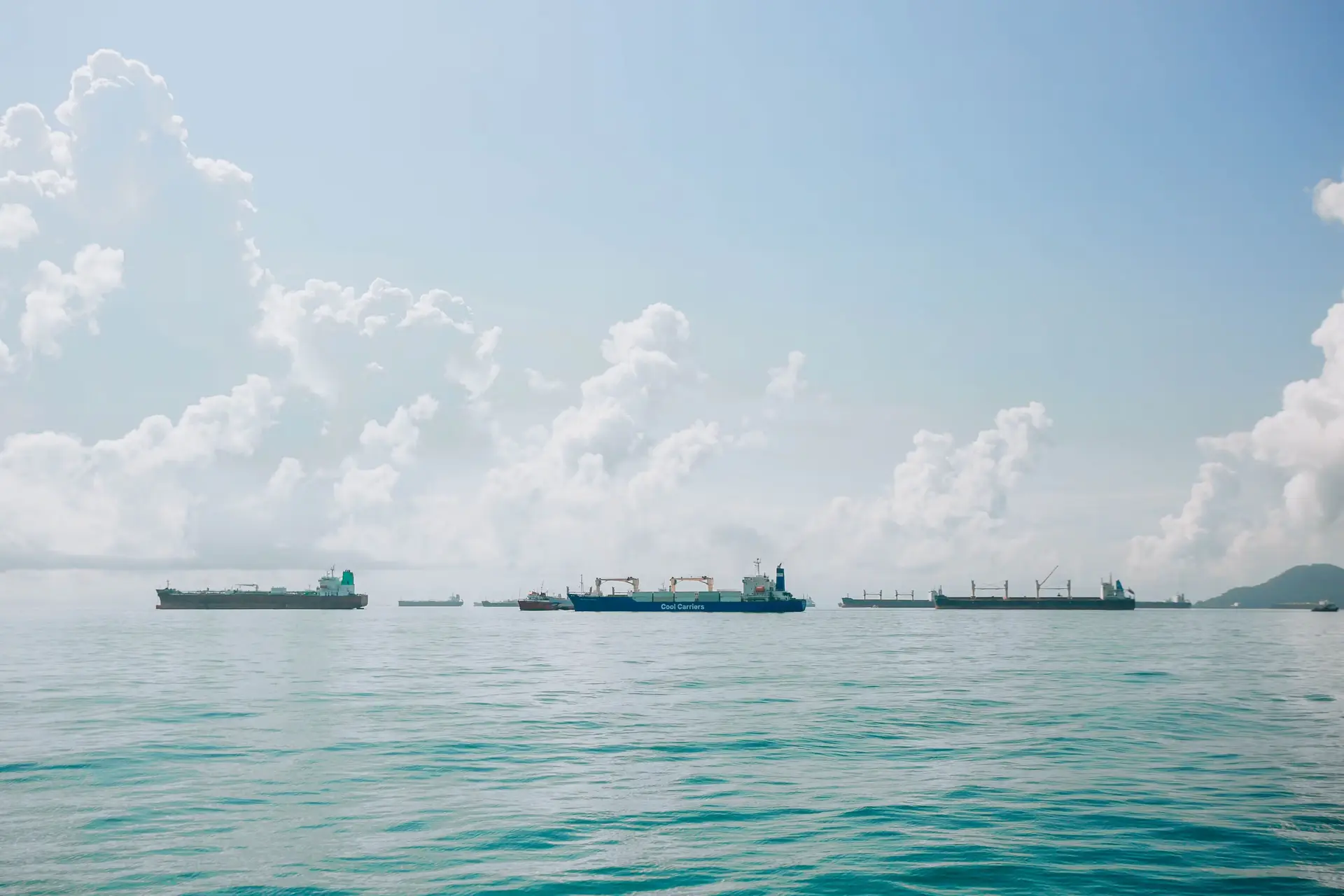
The calculation behind these strikes is simple and calculated. By targeting regional transport hubs and state energy assets, the rebel movement forces Riyadh into a costly defensive posture while shaking international oil markets. The geographic footprint is equally deliberate: recent fighting near the Bab al-Mandab Strait, a primary bottleneck for global shipping, has directly exacerbated energy market fluctuations during wider regional tensions involving the US, Israel, and Iran.
Despite periodic counter-offensives and territorial shifts near key waterways, the conflict shows zero sign of containment. Official health statistics from opposing factions paint a grim picture of civil destruction, while UN estimates place total displacement above 256,000 people. What began as a political overthrow in Sanaa over a decade ago has evolved into a permanent structural tax on regional stability—one that superior air defense systems alone seem unable to eliminate.
Written by Sandy van Dongen sandy.vandongen@alpineweekly.com