Oct 22, 12:02 PM
When Hazard Pay Fails in the Strait of Hormuz
Generous risk bonuses cannot persuade commercial crews to navigate one of the world's most dangerous maritime bottlenecks.
The mechanics of global energy trade are surprisingly fragile. While military strategists draw sweeping vectors across the Middle East, the flow of oil and gas through the Strait of Hormuz has been halted by something far simpler: the refusal of merchant seafarers to risk their lives for a paycheck.
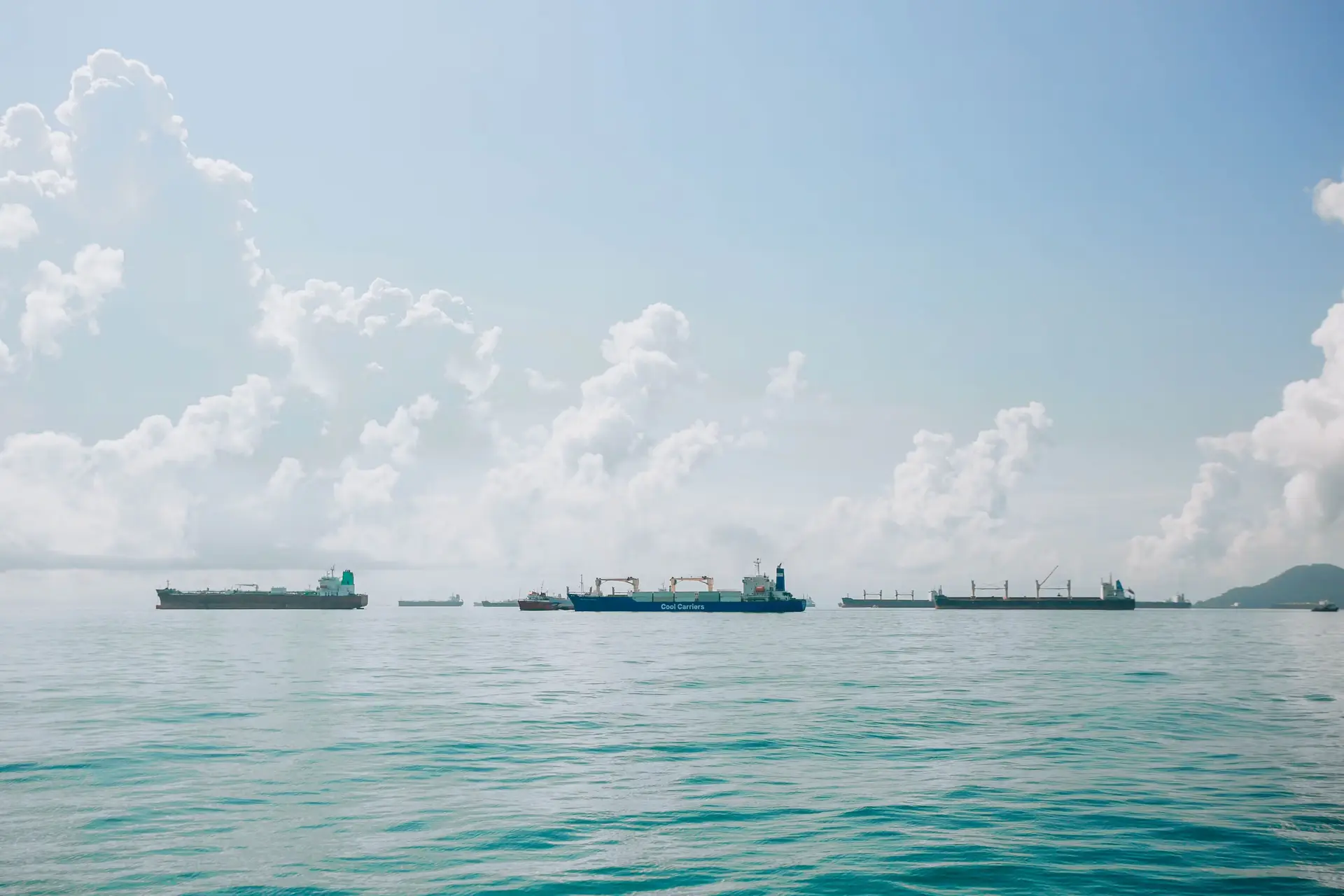
Maritime traffic through the vital chokepoint has collapsed by over ninety percent since hostilities escalated following US and Israeli strikes earlier this year. Data from ship-tracking firm Kpler indicates that daily transits dropped from over 125 vessels to a sparse ten or twelve. What diplomacy failed to manage, individual risk calculation accomplished almost overnight.
Under maritime regulations, entering a designated warlike area requires individual consent; a single crew member's legal objection prevents a ship from proceeding into danger. The consequences of this rule are currently idling multi-million-dollar cargoes across the region. Consider the Al Ruwais, a 314-metre liquefied natural gas carrier owned by Emirati interests and flying a Bahamian flag. The vessel has spent weeks drifting off the coast of Pakistan because its 34 crew members refused corporate demands to enter the strait, choosing instead to await alternative transport home.
Shipowners have responded with cash. Monthly compensation for captains willing to make the run has reached $100,000 with additional $50,000 danger bonuses, while ordinary crew wages have quadrupled or sextupled. Yet monetary incentives struggle to outweigh the realities recorded by UK Maritime Trade Operations, which document a steady stream of drone strikes, sea mines, and vessel fires. Ships attempting the crossing now operate in near-total stealth, extinguishing running lights and shutting off transponders to navigate between US patrols in the south and Iranian forces in the north. The Islamic Revolutionary Guard Corps Navy has already stated that vessels taking unauthorized routes will face punitive action.
The northern coast offers no relief. Iranian maritime managers report that around 95 seafarers have died across commercial and auxiliary vessels since March of last year. With roughly sixty percent of Iran's merchant fleet blocked by foreign sanctions, forty percent of local sailors have abandoned southern routes entirely, many migrating to the Caspian Sea to move grain. Those remaining face constant boarding operations by US forces and continuous aerial threats.
When financial premiums can no longer offset the immediate probability of missile or mine attacks, commercial logistics break down completely. The empty waters of Hormuz demonstrate that corporate mandates founder when ordinary workers decide that no wage compensates for a watery grave.
Written by Thomas Nussbaumer thomas.nussbaumer@alpineweekly.com