Oct 24, 4:01 PM
The Hesitant Heir: Tactical Theater in the Swiss Succession
As the SVP searches for Guy Parmelin's successor, political hesitation and unsolicited advice from rivals expose the quirks of consensus governance.
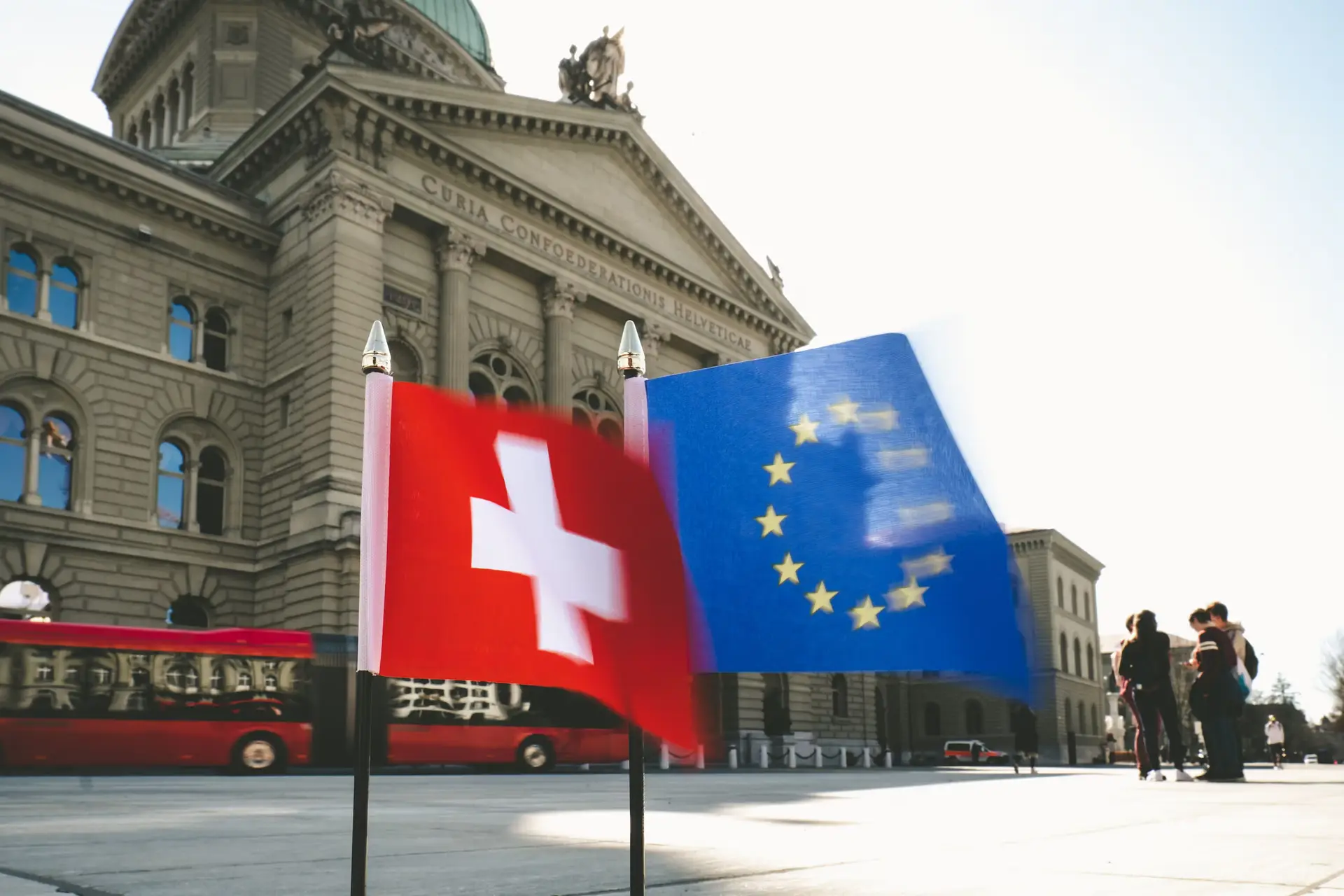
The ritual of filling a seat in the Swiss Federal Government resembles a carefully choreographed exercise in collective modesty, punctuated by occasional bursts of tactical vanity. As the Swiss People's Party prepares to select its nominee to replace outgoing Federal Councillor Guy Parmelin, the process has produced a crowd of eight hopefuls and a notable degree of public hesitation.
Consider the curious posture of Thomas Aeschi. The parliamentary group leader from Zug has secured his local party's nomination, yet refuses to confirm whether he actually intends to run. In executive politics, indecision is rarely confused with prudence. FDP co-president Susanne Vincenz-Stauffacher was quick to label this lingering hesitation as bizarre, noting that taking one’s time while others abide by strict deadlines is hardly a convincing endorsement of leadership. Her judgment carries a polite cynicism, tempered by the knowledge that Aeschi has already suffered one defeat in his previous cabinet bid.
The public spectacle does not end with delayed commitments. Recent memories of a minor physical altercation involving security personnel in the Federal Palace still shadow both Aeschi and Valais representative Michael Graber. Nor did Graber win points across the aisle when he mused about deploying the military should violent urban riots akin to those in Paris reach Swiss cities. Such rhetoric might thrill local party strongholds, but it unsettles the delicate sensibilities of Bern.
Instead of ideological drama, political rivals are demanding geographical order. Vincenz-Stauffacher insists that any final ticket presented to the Federal Assembly must feature representation from French- or Italian-speaking Switzerland. The field offers options: Geneva National Councillor Céline Amaudruz—the lone female contender—alongside Ticino Senator Marco Chiesa and Bernese executive councillor Pierre Alain Schnegg. Whether the party serves up a two-person or three-person ticket before the December 9 election, the underlying math remains identical.
Switzerland’s enviable state system functions on the quiet assumption that even fierce partisans will eventually submit to the dull necessities of collegial governance. Rich, prosperous, and perpetually comfortable, the nation can easily afford the theater of political posturing. Yet one question lingers above the legislative halls: is this sprawling field a sign of robust internal democracy, or merely evidence of a party struggling to master its own succession?
Written by Sandy van Dongen sandy.vandongen@alpineweekly.com