Oct 24, 4:01 PM
Pillows and Police: Albania’s Political Theatre Takes a Violent Turn
As opposition protesters burn dialogue props in Tirana, Edi Rama offers vague promises and heavy security.
When Prime Minister Edi Rama arranged pillows outside his Tirana office as a theatrical invitation for student dialogue, he likely did not envision them serving as kindle. On Saturday, supporters of the opposition Democratic Party gathered outside the head of government's office for an hour and a half, setting those very props ablaze before taking their grievances on the road.
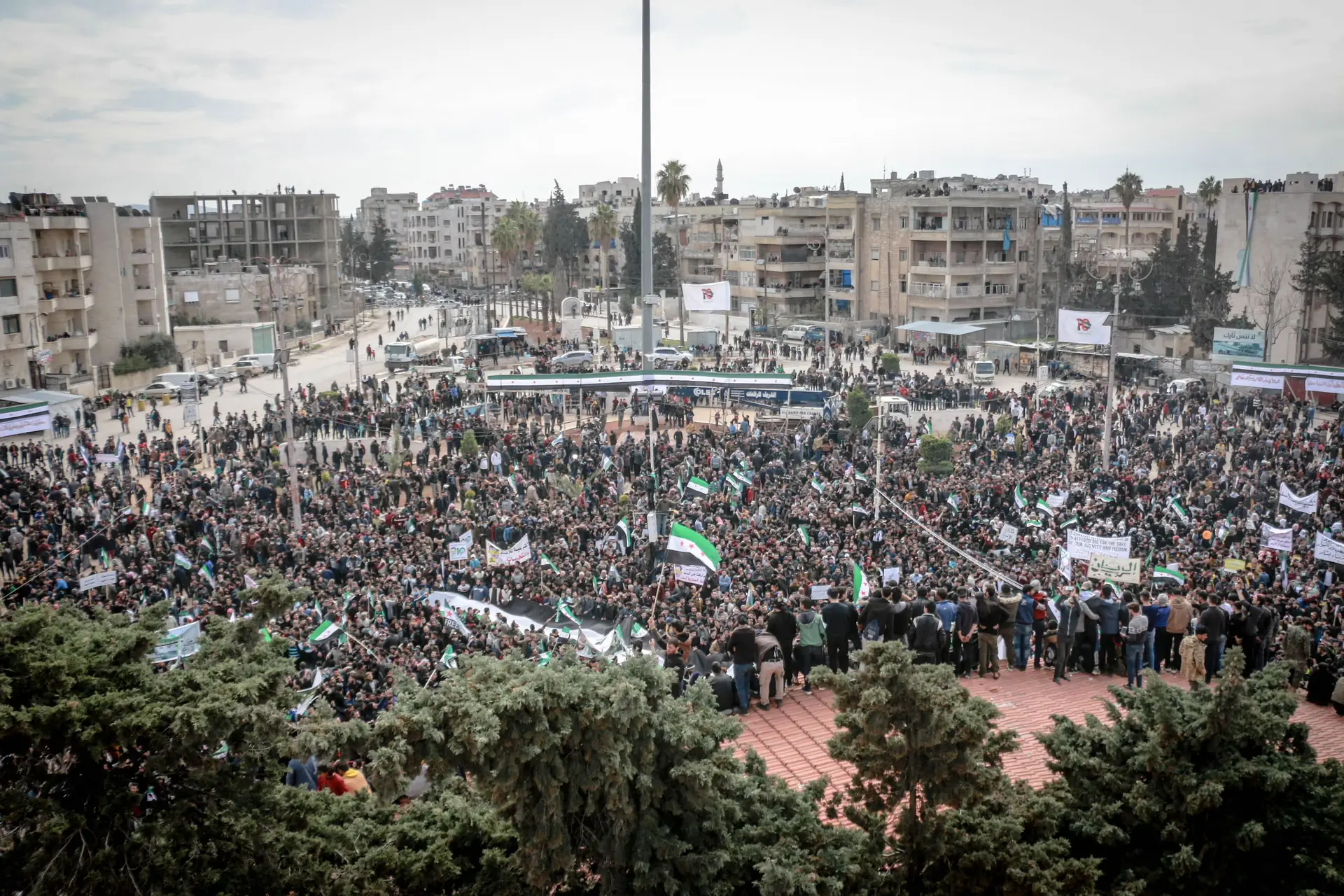
The burning pyre was merely the opening act. Demonstrators promptly redirected their march toward the Ministry of Education, where a separate, larger mobilization was scheduled for 2 pm local time. There, students and university lecturers prepared to converge, their call to action echoing across social media networks and amplifying broader public friction with the administration.
Albanian authorities responded with predictable force. Rather than relying on symbolic gestures, security services deployed water cannons and units from the country's Rapid Intervention Forces near the Ministry of Education. The preemptive fortification reflects growing concern within the government that casual street discontent could rapidly escalate into direct physical confrontation.
Facing public dissatisfaction on the streets, Rama adopted a classic political strategy of conciliation mixed with explicit coercion. On one hand, he acknowledged public frustration, promising that his administration would offer a comprehensive response shortly. According to Rama, within a matter of hours or days, we will present our overall reflection on what a significant portion of society is trying to convey. He conceded that widespread public sympathy for the demonstrations signalled a need for greater governmental attentiveness.
Yet, the prime minister’s willingness to listen comes backed by heavy armor. Warning of severe consequences for any unrest, Rama insisted that all those who glorify violence, all those who echo violence, and all those who perpetrate violence must understand that just as the urban terror was intense, concentrated, and prolonged, so too will the response from the state be prolonged and persistent. How long can an administration balance promises of introspective reform against the deployment of riot police before political theatre gives way to lasting instability?
Written by Andreas Hofer andreas.hofer@alpineweekly.com