Aug 25, 4:03 PM
The Hangman's Ledger: Iran's Economic Collapse and the Surge in State Executions
As Tehran struggles to pay its military, an unprecedented domestic crackdown draws international condemnation and sharp criticism from Washington.
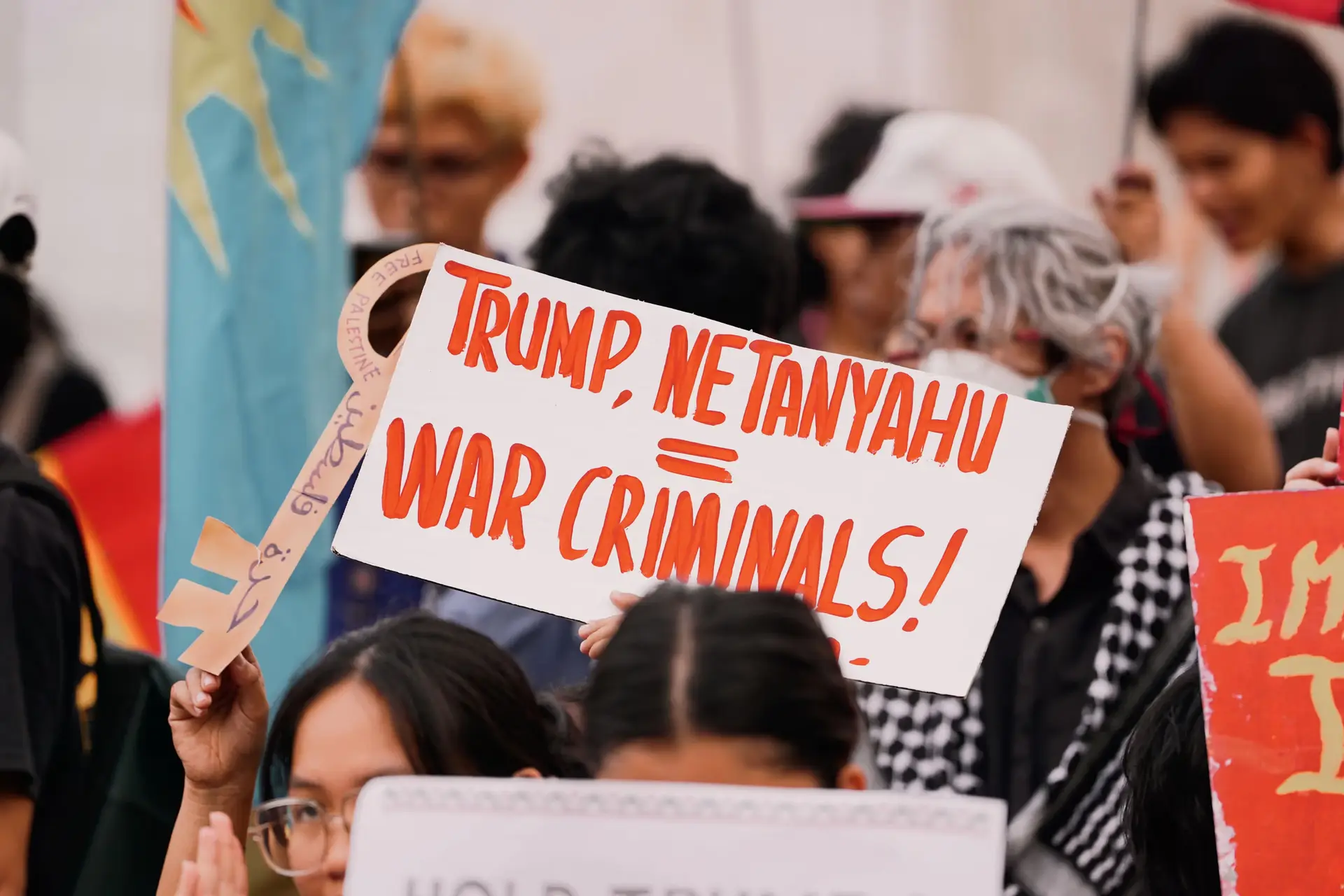
The machinery of the Iranian state appears to be running out of funds for its soldiers, but it still has plenty of resources for the hangman. US President Donald Trump recently utilized his Truth Social platform to highlight an unprecedented wave of executions in the Islamic Republic, framing the situation as a humanitarian crisis of immense scale.
According to the US President, Tehran is failing to pay large segments of its armed forces while systematically killing citizens who are not even actively protesting. The failing Islamic Republic of Iran is not paying large segments of their military, while at the same time killing protesters, even when they are not protesting, at levels not seen before, he wrote on Tuesday. He demanded an immediate end to the crisis.
Trump’s digital diplomacy, often marked by sweeping assertions, aligns in this instance with a grim statistical reality documented by human rights monitors. Last year, Iran executed at least 1,639 people, recording the highest annual figure since 1989. The pace has barely slackened in 2026. The Washington-based Abdorrahman Boroumand Centre tracked 901 executions in just the first seven months of this year. Of these, 56 were explicitly tied to political or national security charges.
The backdrop to this surge in state-sanctioned death is an economy in freefall. Following the collapse of the Iranian rial late last year, protests erupted in January 2026, quickly engulfing more than 180 cities. The regime’s response on January 8 and 9 was remarkably brutal. Official figures from Iran’s Supreme Council of National Security concede a death toll exceeding 3,000. However, the UN Special Rapporteur estimates at least 5,000 fatalities, while insiders and rights groups suggest the true number of those killed during the crackdown could surpass 32,000.
The diplomatic community has begun to formalize its objections to the bloodshed. In mid-August, a coalition of 32 nations, including France, the UK, and Canada, issued a joint statement condemning Tehran's use of capital punishment to suppress political opposition. United Nations High Commissioner for Human Rights Volker Türk noted that the executions are explicitly designed to manufacture fear among the populace. He pointed out that since mid-March, dozens have been executed on national security charges, with over a hundred more currently at risk.
Trump has maintained a steady focus on Tehran's domestic repression, though his specific claims occasionally diverge from verified reports. In January, he threatened severe action if executions proceeded, later asserting that the deaths of over 800 detained protesters had been halted—a claim Iranian officials never confirmed. Similarly, an April demand for the release of eight women reportedly sentenced to death was followed by his announcement of their pardon. Subsequent investigations revealed only one of the women, Beita Hemmati, had actually received a capital sentence. Last month, his focus shifted to the individual case of a 23-year-old demonstrator, Gol-Mohammad Mohammadi, prompting Trump to label the regime's actions as barbaric.
Written by Sandy van Dongen sandy.vandongen@alpineweekly.com