Oct 26, 7:01 AM
The Eternal Return of Power in Brasília
As Luiz Inácio Lula da Silva prepares for a fourth presidential term, Brazil faces the familiar dilemma of political recycling.
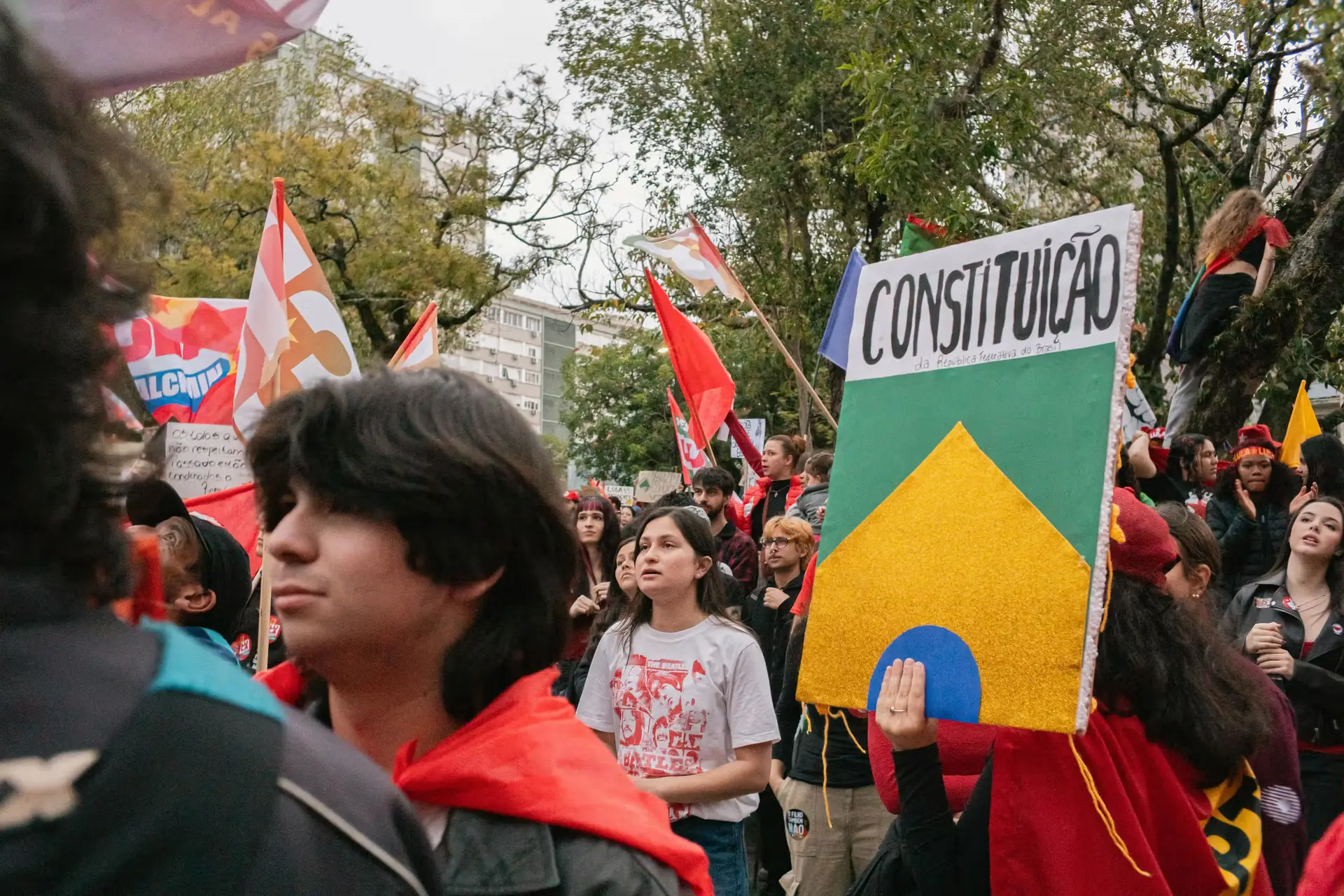
There is a distinct institutional fatigue that sets in when a nation repeatedly looks to its past to manage its future. With Luiz Inácio Lula da Silva preparing to assume the presidency of Brazil for an unprecedented fourth term, the political machinery in Brasília appears locked in a familiar cycle. The return of a veteran leader to the apex of state power is rarely a sign of dynamic renewal. Instead, it reflects an electorate and a political establishment unwilling or unable to cultivate fresh alternatives.
A fourth presidential term for Lula da Silva places immense governance burdens on an executive office already defined by complex political alliances and legislative friction. Power in Brazil has long depended on delicate coalition management, where presidential authority must constantly be traded for legislative compliance. Entering a fourth mandate does not simplify this arithmetic; it sharpens the structural friction. When leadership becomes habitual, the capacity for genuine structural and economic reform inevitably narrows.
Political leadership across major emerging markets often suffers from a concentration of authority around singular figures. When a single individual becomes the primary anchor of a major nation's political identity across multiple decades, institutional independence faces subtle pressure. The path to a fourth term prompts fundamental debate regarding the health of democratic succession and executive rotation. Can a political system modernise its fiscal structures and administrative state when its executive leadership relies on established patterns of governance developed in previous eras?
Economic management under repeated administrations of similar ideological leanings presents its own set of structural risks. Fiscal discipline, market confidence, and state spending priorities require constant scrutiny. A fourth term brings with it the heavy weight of previous commitments and established administrative habits. The challenges confronting Brazilian governance require clear economic realism rather than expanded state intervention or persistent fiscal expansion.
Whether a fourth presidential mandate can deliver structural stability remains a central question for observers of South American politics. Lula da Silva’s return to the presidency highlights the persistent reliance on legacy leadership within Brazil's political class. When political power concentrates repeatedly in the same hands, the state risks prioritizing political self-preservation over the long-overdue modernising reforms that private enterprise and fiscal health demand.
Written by Andreas Hofer andreas.hofer@alpineweekly.com