Oct 26, 7:01 AM
Subsidising the Ideology That Rejects You
Berlin continues to funnel taxpayer cash into Islamic welfare networks linked to state surveillance targets.
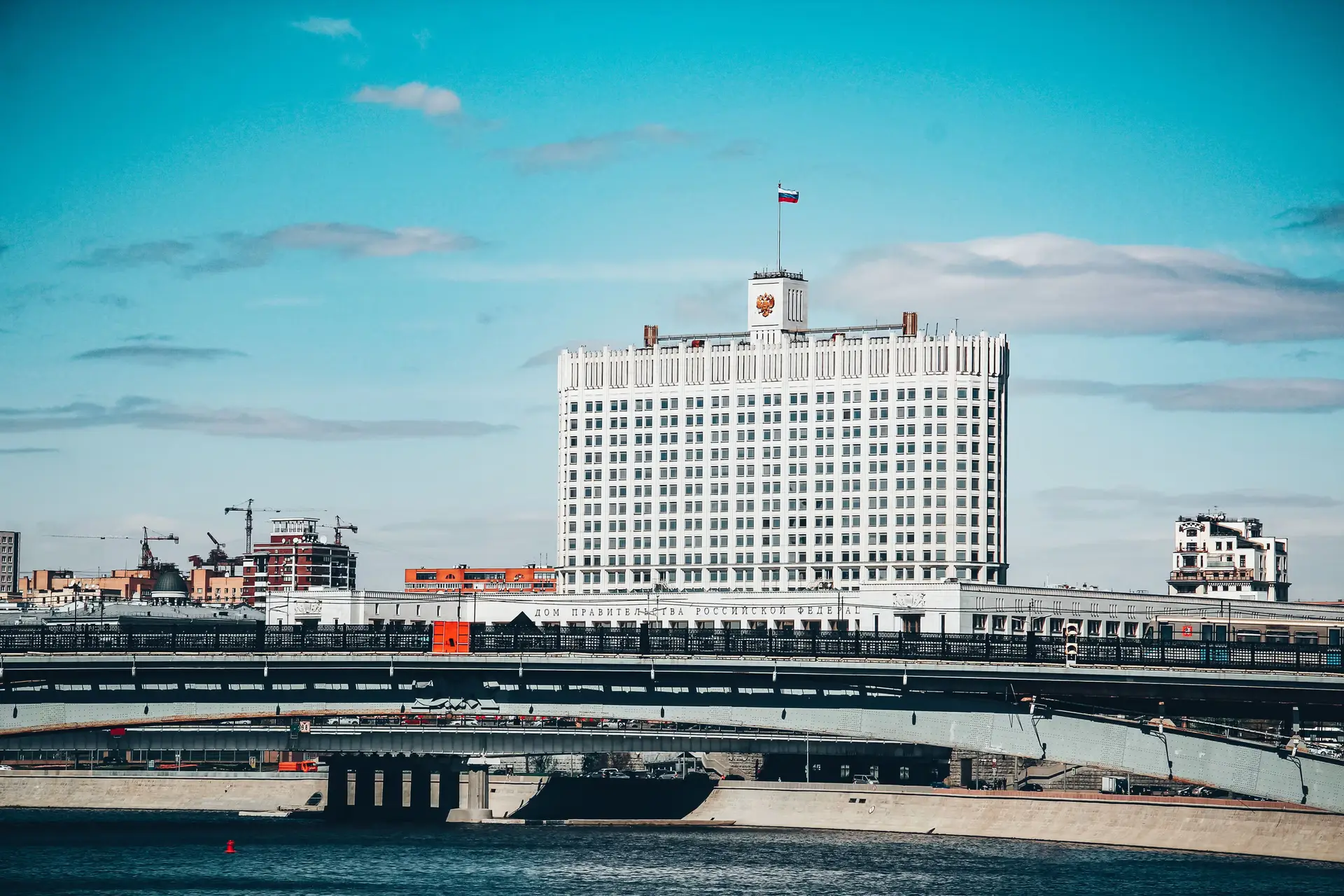
When politicians migrate from opposition benches into executive offices, their principles frequently undergo a curious metamorphosis. Take Germany’s Interior Ministry, currently led by CSU politician Alexander Dobrindt. Back in October 2023, while serving in opposition alongside Friedrich Merz, Dobrindt pressed the government on whether public funds were quietly trickling down to Islamic welfare structures with ties to extremist networks. He explicitly highlighted the Islamic Competence Center for Welfare (IKW).
Fast forward to today, and the very same ministry under Dobrindt’s command is writing the checks. As revealed by an official response to a parliamentary inquiry from the AfD, the Federal Ministry of the Interior has allocated 511,000 euros in taxpayer money to the IKW spanning the years 2024 to 2027. The funding schedule disbursed 124,000 euros in 2024 and 123,000 euros in 2025, with an additional 132,000 euros slated for both 2026 and 2027.
What makes this financial commitment remarkable is not merely the sum, but the institutional web behind the recipient. The IKW serves as an umbrella for several Islamic associations, including DITIB, the Central Council of Muslims, and the Islamrat. Personnel overlap is hard to miss: Ali Kızılkaya, deputy chairman of the IKW, simultaneously represents the leadership of the Islamrat. In turn, the largest member organization of the Islamrat is the Islamic Community Milli Görüş (IGMG).
Milli Görüş is hardly an unknown entity to domestic intelligence. Security authorities in both Bavaria and Baden-Württemberg actively monitor the group. Bavarian officials report around 1,400 active supporters and key functionaries classified within the Islamist spectrum, noting that the movement seeks a religious-political society where Islamic rules replace state order. Its ideological roots trace back to Necmettin Erbakan, an Islamist founder whose vision aimed to supplant Western legal norms. The organization even honors past figures like Yusuf Zeynel Abidin, a former leader linked to the Muslim Brotherhood who publicly called for jihad during a 1980 rally in Bonn.
When queried about this glaring contradiction, the Interior Ministry offered the usual bureaucratic shielding. The press office declined to address Dobrindt’s past inquiries as a lawmaker. Regarding safeguards against extremest influence, the ministry explained that project sponsors are legally obligated to exclude suspect organizations, asserting that monitoring during project implementation is ensured through various legal and administrative control processes.
Delegating the responsibility of self-policing to structural umbrella groups seems like a conveniently lax standard for spending public funds. Meanwhile, leadership within these partner networks remains openly hostile to liberal standards; Islamrat chairman Burhan Kesici publicly dismissed homosexuality as abnormal in recent television interviews.
Is this sheer administrative negligence, or has political opportunism rendered Berlin entirely indifferent to the gradual retreat of state authority? Taxpayers are left funding the very entities working to dismantle their social contract.
Written by Thomas Nussbaumer thomas.nussbaumer@alpineweekly.com