
Oct 30, 3:01 PM
The Electoral Arithmetic of the Female Vote
As midterms approach, Washington once again fixates on a decisive demographic that is far less monolithic than political strategists assume.
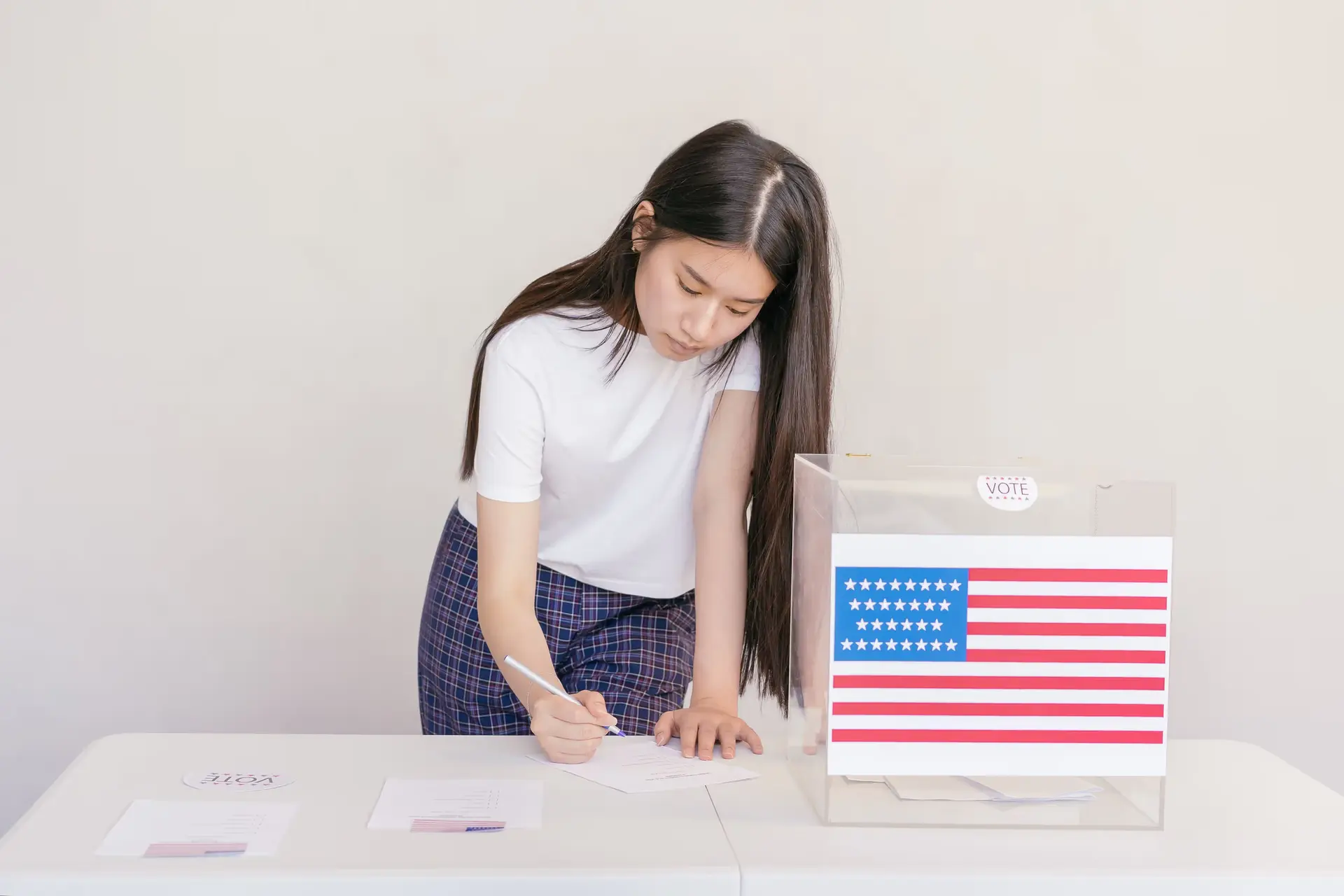
When Washington faces a major political crossroad, campaign strategists routinely dust off the demographic playbook. Heading into the upcoming US midterm elections—a contest destined to dictate the legislative scope of Donald Trump’s final two years in office—the focus has once again landed squarely on female voters.
The electoral significance of this demographic was the subject of a recent discussion led by journalist Annette Young, featuring New York Times congressional correspondent Annie Karni and Kelly Dittmar, Director of Research at the Centre for American Women and Politics. Their debate highlighted a persistent truth in American statecraft: capturing control of Congress frequently hinges on shifting margins among women across suburban and swing districts.
Yet treating over half of the American electorate as a uniform monolith remains one of Washington's most enduring political fallacies. While commentators eagerly measure the prospective impact of female participation, women voters remain divided along class, geographic, and ideological lines. What unites them is not a singular legislative agenda, but rather their collective capacity to swing crucial congressional contests that decide whether the executive branch operates with a friendly majority or faces persistent legislative gridlock.
As Donald Trump approaches the final chapter of his presidency, the midterms represent more than a routine constitutional exercise. They serve as a referendum on the current administration's record and a barometer of public appetite for executive authority. In this environment, the strategic focus on gender dynamics reflects the raw math of American elections, where minor shifts in key voter groups can fundamentally realign the balance of power in the nation's capital.
Whether female voters ultimately lean toward political continuity or demand an institutional check on the White House, their choices will define the governing parameters in Washington for years to come. Strategists know it, candidates design their messaging around it, and the upcoming electoral count will soon test whether the conventional wisdom holds up under pressure.
Written by Andreas Hofer andreas.hofer@alpineweekly.com