Oct 25, 5:02 AM
The Ashes of Limoges and the Bankruptcy of French Governance
The destruction of a historic city hall exposes a nation burdened by heavy debts, political stagnation, and radicalized street politics.
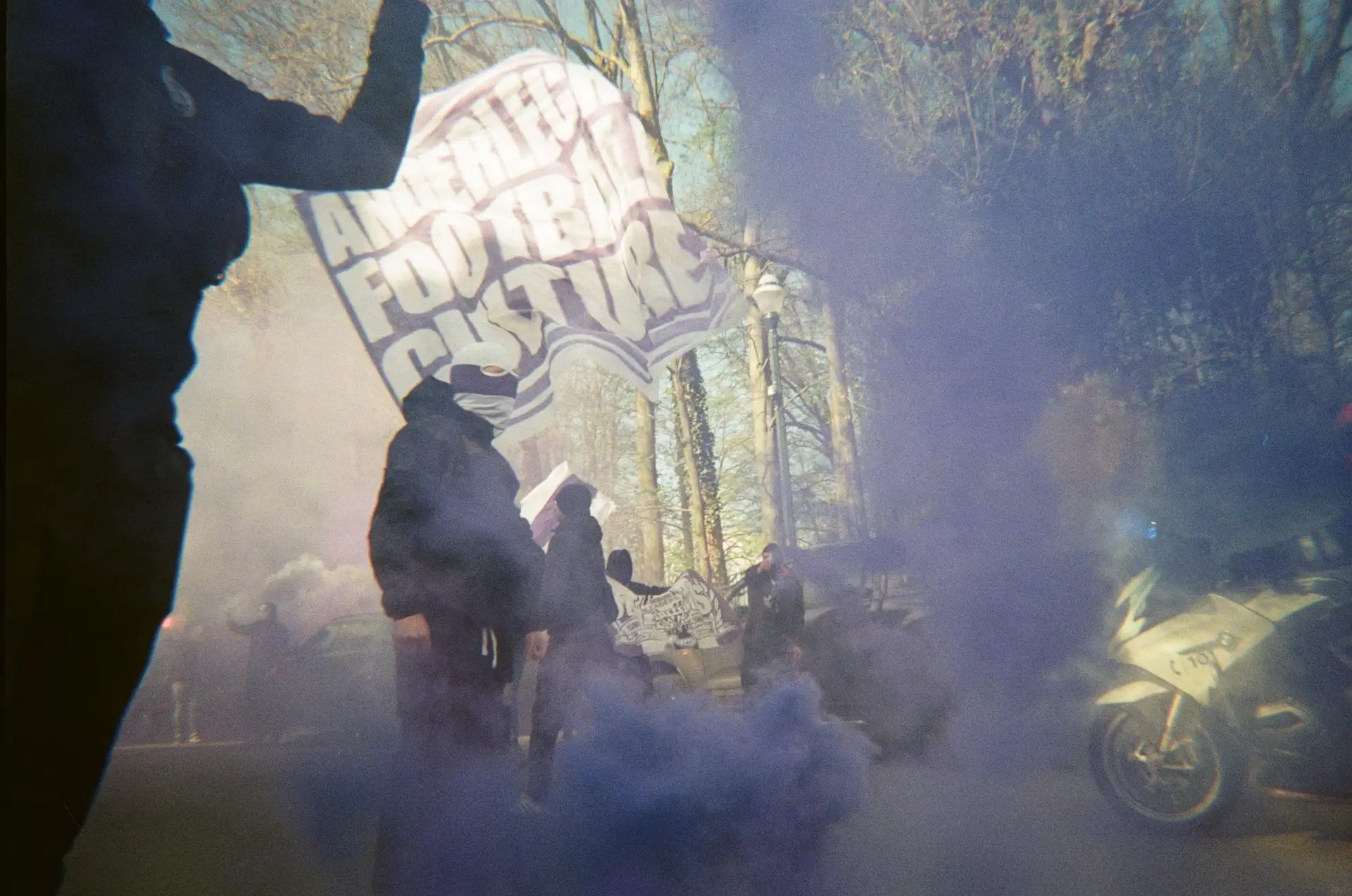
When the wooden clock tower of Limoges’ nineteenth-century city hall collapsed into flames, it offered a stark metaphor for the state of contemporary France. What began as high school demonstrations over local education funding rapidly escalated into a wider wave of civil unrest, resulting in five hundred thousand euros in physical damage and the imposition of municipal curfews. Local authorities have since restricted central gatherings to no more than ten people, while prosecutors confirmed the arrest of two individuals linked to radical-left networks.
The smoldering ruins are not merely the result of fringe violence; they are the symptom of an exhausted political model. France is currently weighed down by one of the largest fiscal deficits in the European Union. Prime Minister Sébastien Lecornu’s centrist administration operates without a parliamentary majority, attempting to navigate an increasingly volatile public sphere while running out of both time and money. With presidential elections scheduled in six months, the government’s response has largely defaulted to emergency bans and heavy police presence rather than addressing the structural rot.
This institutional weakness is compounded by a striking divide in civic culture. Older residents and small business owners—some claiming workweeks of up to one hundred hours to maintain their livelihoods—express shock at the destruction of shared heritage. Conversely, younger protesters, citing monthly living budgets as low as three hundred euros, increasingly view destroyed public infrastructure as minor collateral damage in their demand for state support. This persistent reliance on street disruption to extract concessions has long hindered necessary economic reforms, locking the country into a cycle of permanent agitation and fiscal degradation.
Even local governance feels the sting of national alienation. Limoges’ conservative mayor, Guillaume Guérin, publicly noted that what happened here will have an influence on the upcoming presidential election, while highlighting that he received words of support from international observers rather than President Emmanuel Macron. As the political center weakens and radical elements exploit social frustration, France faces a reality where public order and state finances are eroding simultaneously. Without fundamental structural reform, temporary curfews will do little to mend a deeply fractured republic.
Written by Sandy van Dongen sandy.vandongen@alpineweekly.com