Oct 23, 10:01 PM
Texas Republicans Face a Hispanic Reality Check
Border security secured votes in 2024, but aggressive enforcement and inflation are undermining the GOP's southern flank ahead of the midterms.
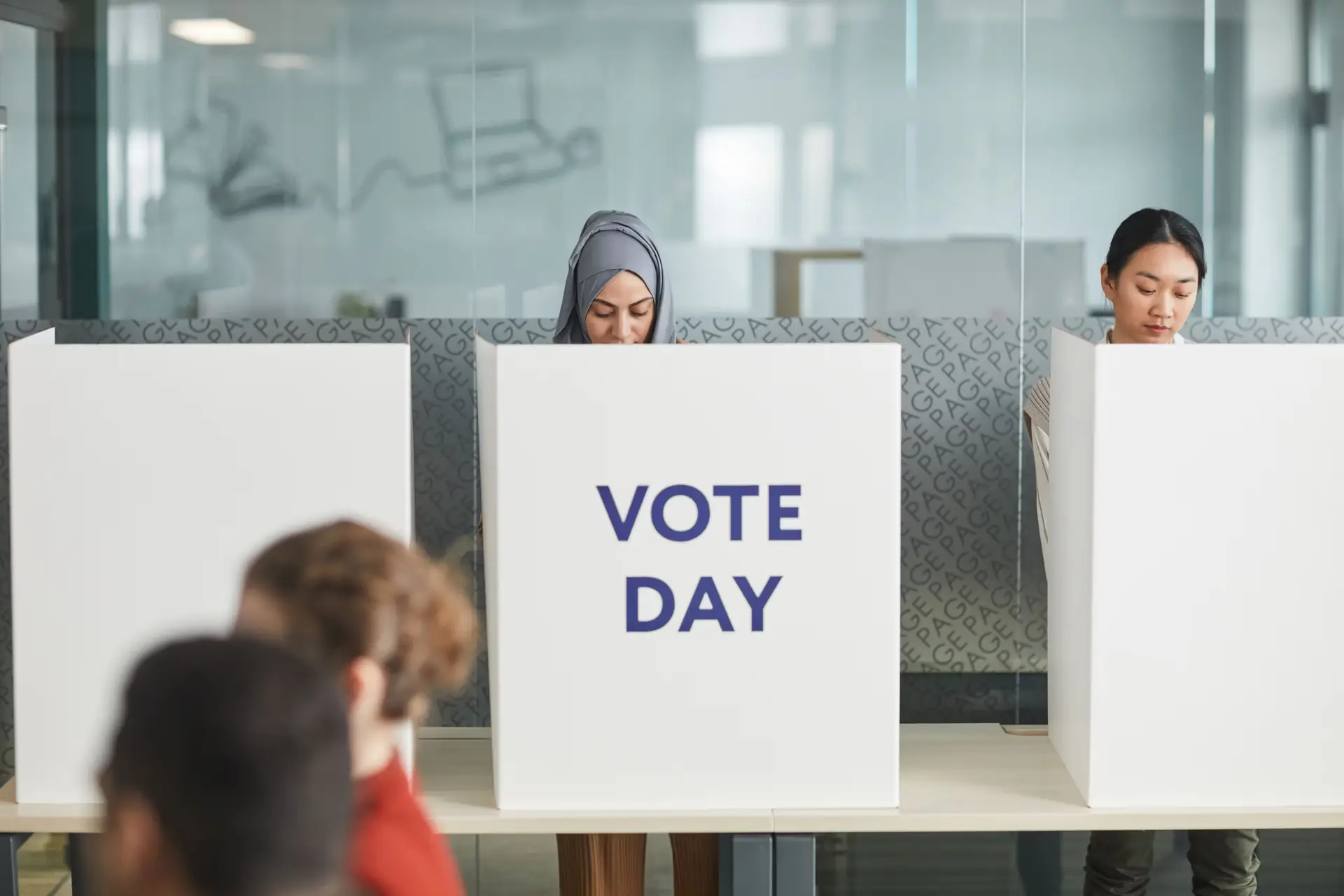
When Donald Trump captured 55 percent of the Hispanic vote in Texas during the 2024 presidential contest, Republican strategists treated the record-setting figure as proof of a permanent political realignment. Confident that border communities were firmly in their column, Texas lawmakers took the unusual step of redrawing congressional maps again in 2025. In the 15th Congressional District, for instance, they carved out a theoretical 18-point Republican advantage.
Yet as the November 3 midterm elections draw near, that engineered cushion looks surprisingly fragile. Polling since late summer reveals that a majority of Texan Hispanic voters now disapprove of the administration, with Democrats unexpectedly leading by five to six points in the redrawn 15th district.
The cause of this shift lies in the sharp distinction voters draw between border order and economic disruption. When illegal border crossings dropped to historic lows following the peak years under the Biden administration—which saw over 2.5 million annual apprehensions—voters originally credited the White House with solving a genuine crisis. However, the operational reality of enforcement has triggered a backlash.
In July 2026, Texas accounted for approximately one-third of all Immigration and Customs Enforcement arrests nationwide. For local business owners and independent voters, sweeping enforcement has moved from curbing cartels to disrupting the regional economy. Local builders report severe labor shortages, with crews shrinking from dozens to a handful of workers almost overnight. Even local Republican officials, such as McAllen Mayor Javier Villalobos, have drawn a line between removing violent criminals and targeting law-abiding, productive workers.
For many Hispanic voters in the Rio Grande Valley—who identify as independent at higher rates than any other major demographic—ideology takes a backseat to daily economic realities. Democratic candidates like Bobby Pulido, a well-known Tejano singer contesting the 15th district, are capitalizing on this pragmatic mindset. Pulido has deliberately distanced himself from progressive national talking points on social justice and climate, choosing instead to focus almost exclusively on inflation and the cost of living.
When voters at local festivals blame the administration directly for high prices, Republican campaign teams find themselves on the defensive. Midterm campaigns in border districts have increasingly turned into pure turnout battles rather than ideological debates. Should this erosion of support hold through election day, the fallout will extend well beyond congressional seats, potentially opening a path in a Texas Senate race that Democrats have failed to win for more than thirty years.
Written by Thorben Thiede thorben.thiede@alpineweekly.com