Oct 23, 10:01 PM
Remote Control Governance: Malawi’s Missing President
While fuel runs dry and blackouts worsen, Peter Mutharika manages the state from abroad.
When queues at petrol stations stretch into hours and public hospitals run short of basic medicines, citizens generally expect to see their leader managing the situation. In Malawi, however, handling a severe domestic economic crisis appears to be treated as a remote working arrangement.
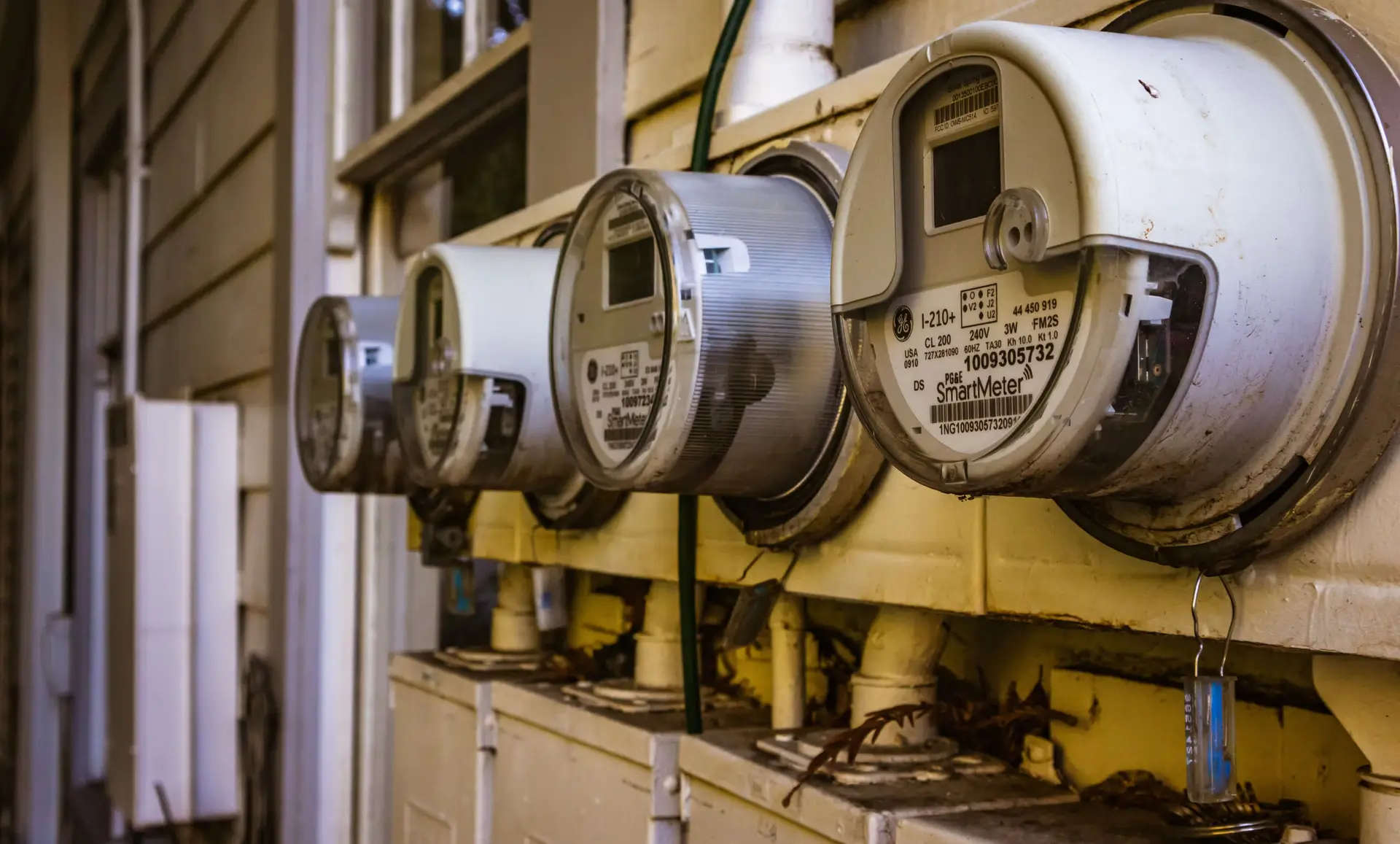
President Peter Mutharika, who returned to power last October after defeating Lazarus Chakwera, has spent weeks in South Africa on what officials describe as a private visit. Leaving on 6 October, it marks his fifth trip to the neighbouring country this year. Back home in Lilongwe, the state machinery struggles under the weight of foreign currency shortages, persistent fuel deficits, frequent electricity blackouts, and rising transport costs.
The opposition Malawi Congress Party has seized on the 86-year-old president's absence to challenge the administration's competence. Campaign director Moses Kunkuyu stressed that while personal travel is not forbidden, the public deserves clarity on who is running state affairs. With deteriorating public services, the opposition called on Vice-President Jane Ansah to address the nation and offer reassurance that someone remains in command.
The administration's defence has been predictably combative. Information Minister Shadric Namalomba insisted that a state president is always in charge at any time, anywhere, maintained that a private trip is private, and accused the opposition of exploiting problems created during its own prior term in power.
Yet administrative authority seems increasingly outsourced. Delegating official duties has become routine, as seen when Mutharika sent his trade minister to represent Malawi at the Common Market for Eastern and Southern Africa summit in Zimbabwe rather than attending himself.
Meanwhile, official denials have been required to quiet public concern. Chief Secretary Justin Saidi dismissed social media reports claiming the president had travelled from South Africa to India for medical treatment. Mutharika himself previously dismissed speculation regarding his health, calling such claims silly and laughable.
Whether the head of state is attending to personal matters or taking routine trips, operating by proxy during a financial meltdown carries a clear cost. When foreign exchange disappears and basic infrastructure sputters, can an administration truly maintain authority while operating from abroad?
Written by Freya Stensrud freya.stensrud@alpineweekly.com