Oct 26, 5:01 PM
Tehran’s Hardline Theater Meets Political Reality
Iran's ultraconservatives are demanding nuclear escalation and diplomatic impeachment, but ultimate power remains out of their reach.
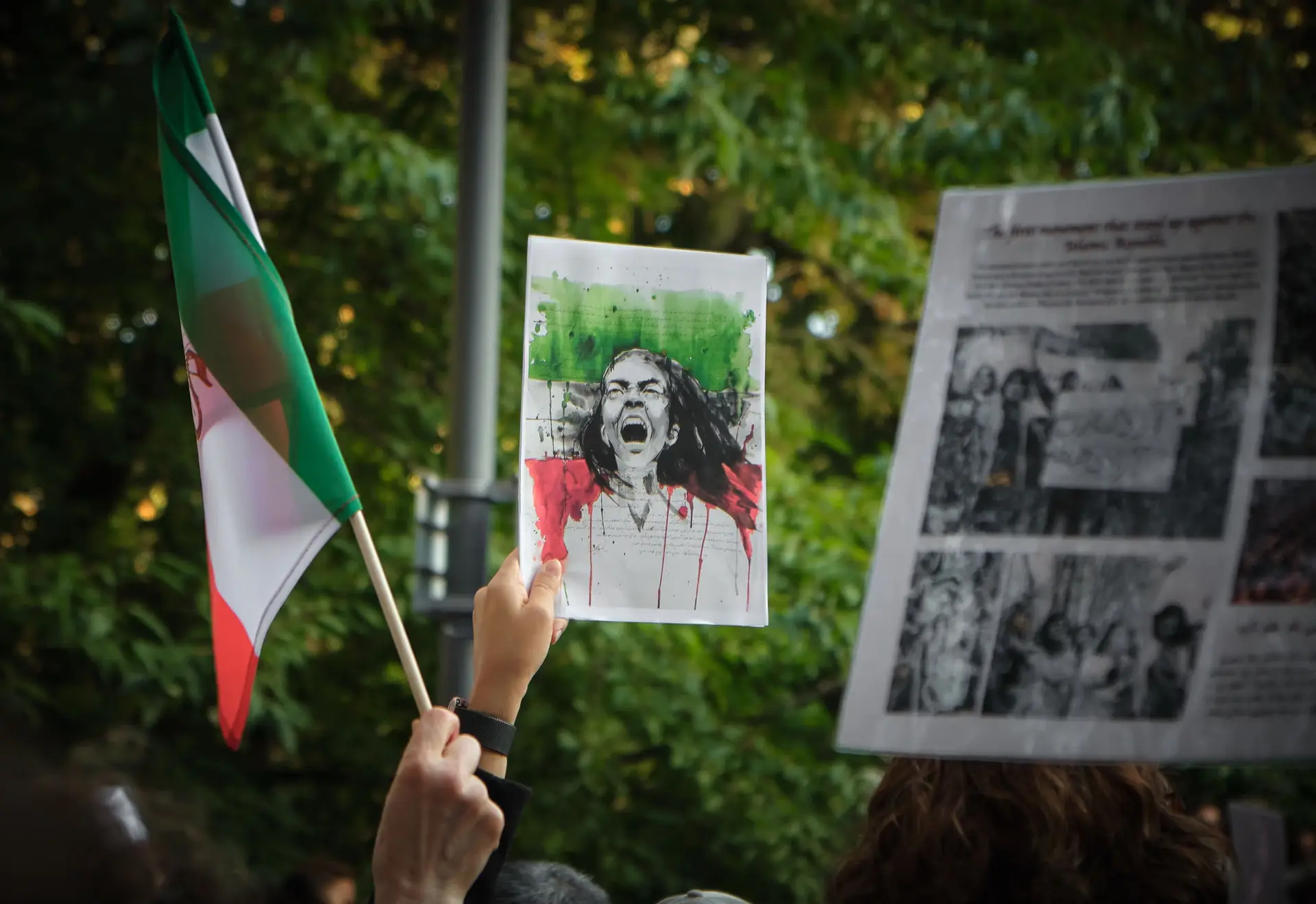
Tehran’s political class has a refined sense for theatrical timing. As the military conflict with the United States and Israel stretches through its eighth month, dragging global energy supplies down with it, the Iranian regime’s internal fault lines are on full public display. At the center of the spectacle is the Paydari Front, the hardline political faction attempting to turn wartime anxiety into ideological totalism.
The faction’s latest maneuver involves demanding that parliament and the Supreme National Security Council initiate a complete withdrawal from the Nuclear Non-Proliferation Treaty, a step intended to clear the path for rapid nuclear weapon development. To ensure their message is not lost on President Masoud Pezeshkian, hardline lawmakers have filed an impeachment motion against Foreign Minister Abbas Araghchi following his diplomatic appearance at the United Nations General Assembly. A parallel legislative proposal aims to criminalize interviews with foreign media outlets.
For Pezeshkian and his moderate backers, the stakes are economic as much as geopolitical. With the Strait of Hormuz largely closed to commercial shipping and domestic infrastructure damaged by air and missile strikes, the moderate camp views rapid diplomatic engagement with Washington as essential to saving a crumbling economy. Hardliners dismiss this logic entirely. Lawmaker Amirhossein Sabeti and his allies contend that negotiations are a delusion and that Western pressure will yield only to force.
Yet for all the nightly rallies in major urban centers and aggressive posturing in parliament, the anti-negotiation bloc faces structural limits. In the political architecture of the Islamic Republic, parliamentary outrage functions largely as background noise. Decisions on strategic defense, foreign policy, and nuclear capability do not belong to municipal officials or legislative backbenchers. They reside exclusively with Supreme Leader Mujtaba Khamenei and the Supreme National Security Council.
Analyst Negar Mortazavi points out that while hardliners excel at raising the domestic political cost of diplomacy, they lack ultimate decision-making authority. Past precedent reinforces this dynamic: the faction failed to block the 2015 nuclear accord under the Obama administration, just as it failed to halt subsequent diplomatic agreements. When the top leadership determines that strategic compromise is necessary for regime survival, the hardliners are overruled.
The delayed scheduling of Araghchi’s impeachment hearing suggests that Pezeshkian’s government retains adequate backing from the top. Tehran may permit the Paydari Front to stage anti-American street demonstrations to project domestic resolve, but the actual levers of war and peace remain securely in higher hands.
Written by Freya Stensrud freya.stensrud@alpineweekly.com