Oct 23, 6:01 PM
Teargas and Treble Clefs: France’s Broken Priorities on Display in Paris
When police target a de-growth orchestra playing Hollywood soundtracks, it reveals a state struggling with its basic duties.
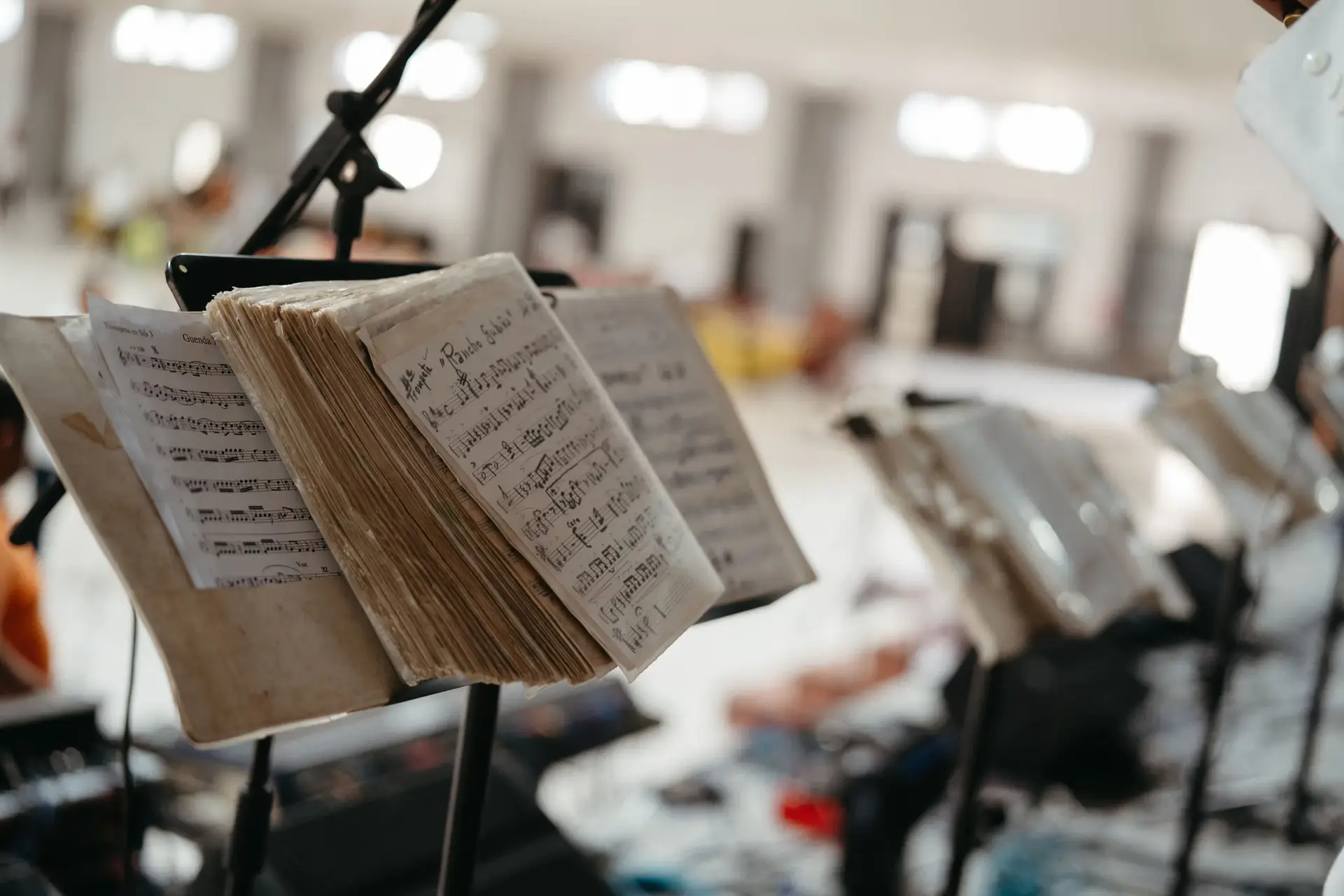
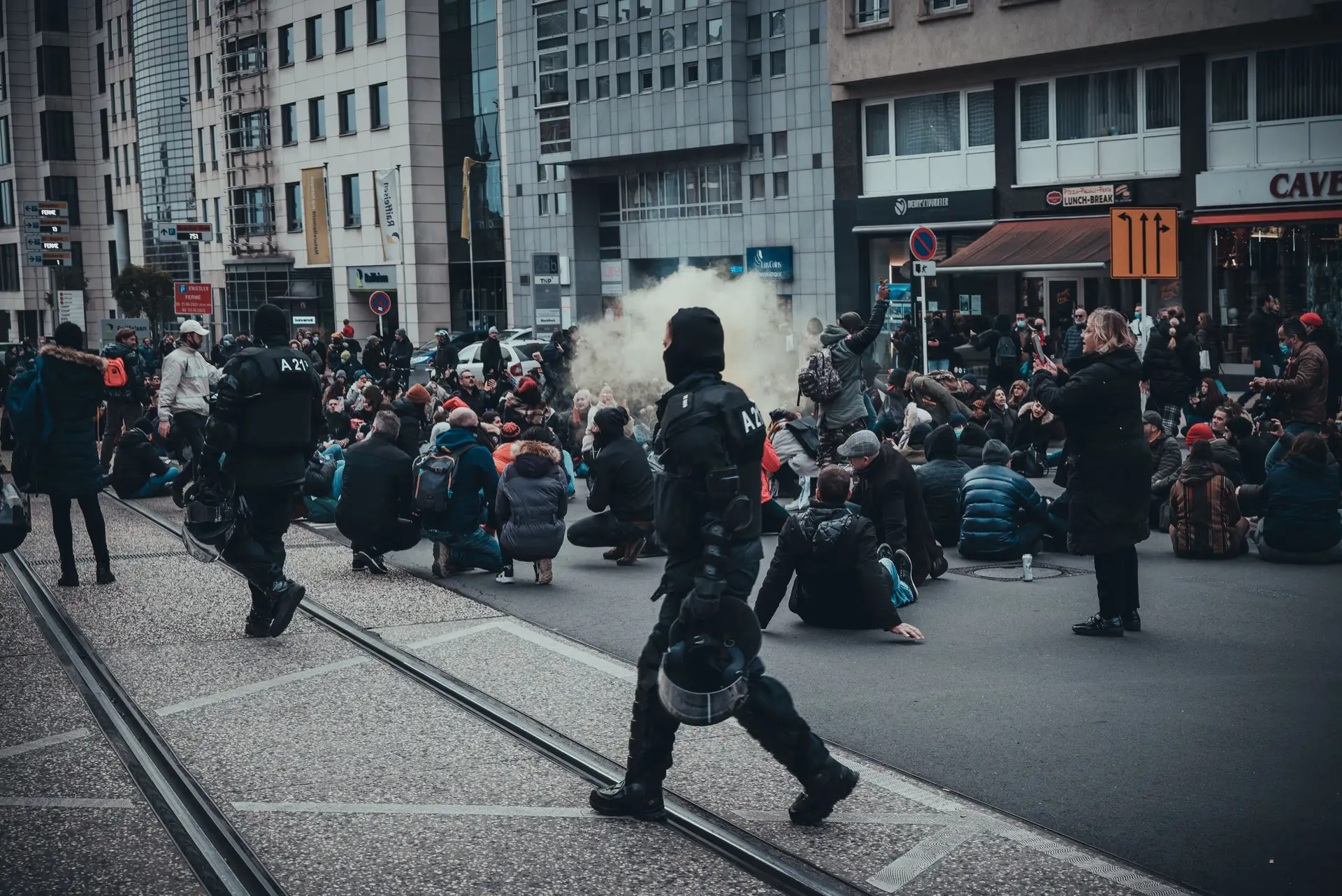
The spectacle unfolding at Paris’s Place de la République had all the hallmarks of modern French public life: an anti-capitalist orchestra performing themes from Hollywood blockbusters, surrounded by a dense haze of teargas deployed by state security forces. The Orchestre du Nouveau Monde, an ensemble founded in 2022 that blends classical music with radical left-wing activism, had gathered between 400 and 500 musicians for a student and trade union rally. What was meant to be a musical prologue to a day of social protest quickly descended into turmoil as riot police targeted the brass and strings.
For twenty minutes, canisters of police-issued teargas rained down on instrument stands and double bass cases, setting small fires that young musicians had to stamp out. The group’s conductor, twenty-five-year-old Étienne Jarrier, had explicitly notified the security forces of their peaceful performance beforehand. Yet while the French security apparatus often appears surprisingly helpless when faced with violent looters and arsonists, its riot police showed no such hesitation in dispersing cellists and woodwind players.
The orchestra itself represents a uniquely contemporary brand of French activist theatre. Explicitly anti-racist, feminist, environmentalist, and committed to economic de-growth, the volunteer collective aims to strip classical music of what it considers an overly traditional, bourgeois audience. Instead, it offers a repertoire that ranges from historic revolutionary anthems to the soundtrack of Marvel’s Avengers film. That a group preaching economic de-growth relies on the intellectual property of global entertainment conglomerates to mobilize the youth is an irony typical of the modern urban left.
This clash in the capital highlights a familiar pattern in contemporary France. Heavily indebted, politically strained, and failing to deliver effective public services, the administration increasingly relies on rigid police tactics rather than political solutions. When security forces turn teargas on peaceful musicians while destruction of public property elsewhere goes unpunished, it reflects a heavy-handed state apparatus struggling with its own priorities.
Neither the Paris police prefecture nor the Ministry of Defence responded to inquiries regarding the incident. In a country grappling with economic stagnation and deep civic discontent, the image of an amateur ensemble forced to form human chains to protect its double basses remains a revealing portrait of French public order.
Written by Freya Stensrud freya.stensrud@alpineweekly.com