Oct 27, 7:01 PM
Symbolic Action in Ceuta: Madrid's Late Answer to a Border Collapse
Faced with upcoming elections and public outrage, Pedro Sánchez's government initiates token deportations.
When a government decides to return sixteen individuals after an unprecedented surge of eighty thousand border crossers, one might ask whether this represents a serious border enforcement policy or merely a late exercise in political damage control. Madrid's socialist administration under Prime Minister Pedro Sánchez has finally executed its first post-asylum deportations from the North African enclave of Ceuta since July's perimeter collapse.
The numbers surrounding this crisis illustrate the stark reality on the ground. Over a frantic forty-eight-hour window in late July, an overwhelming wave of people entered the enclave, which covers just eighteen-and-a-half square kilometers and holds a local population of eighty thousand. At least one hundred people died during that chaotic mass crossing. Months later, approximately eight thousand migrants remain stranded in Ceuta. Many are sleeping on the streets, while others rely on state resources, civil society groups, and charities for shelter.
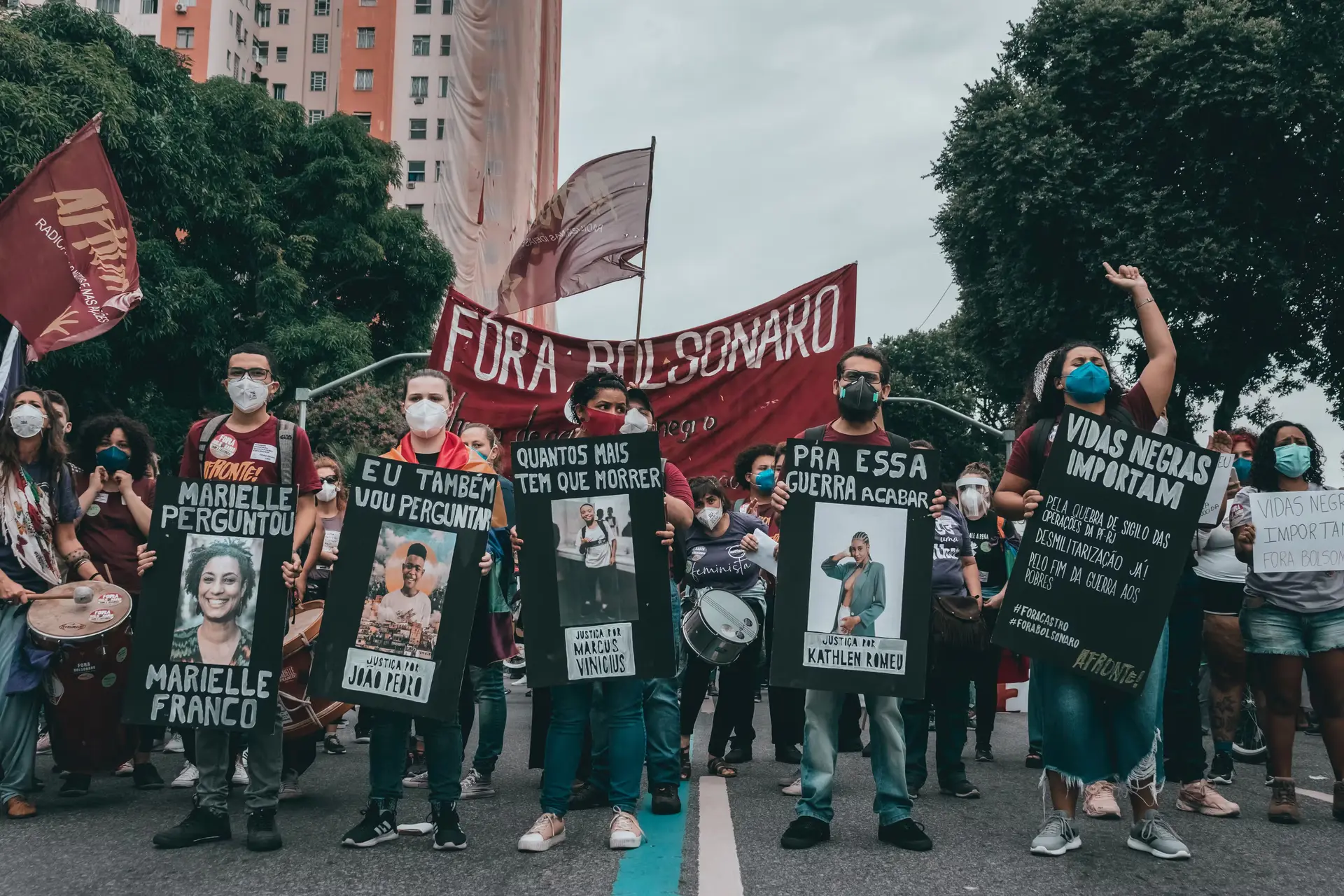
This persistent strain has transformed the enclave into a primary political vulnerability for Sánchez, who faces snap national elections on November 29. Tens of thousands of citizens have gathered across Spain in recent months to protest the government's management of the crisis. Meanwhile, political opposition on the right has seized upon the administration's hesitation, with Vox party leader Santiago Abascal openly labeling the prime minister a traitor.
Faced with growing domestic discontent, the interior ministry processed the removal of sixteen people from African, Middle Eastern, and Asian nations after their asylum applications were formally rejected. Morocco, having agreed to accept the deportees, received the group under an arrangement defended by officials in Madrid.
The predictable reaction from non-governmental organizations followed shortly after. Representatives from Amnesty International, including researcher Virginia Alvarez, criticized the move, claiming that Spain fails to ensure human rights guarantees along its borders in Ceuta and Melilla while returning migrants to a country that repeatedly fails to respect basic rights.
Madrid, however, hid behind the diplomatic machinery of Brussels to justify its actions. In a formal statement, the Interior Ministry maintained that the European Union considers Morocco a safe country and asserted that all deportations are conducted "with all the necessary safeguards."
Whether the symbolic removal of sixteen individuals can appease an angry electorate or restore order to an overwhelmed enclave remains an open question for a socialist leadership caught between progressive rhetoric and electoral survival. For a government struggling under administrative strain, returning a handful of applicants does little to resolve the underlying crisis.
Written by Andreas Hofer andreas.hofer@alpineweekly.com