Nov 15, 7:01 PM
Swiss Ammunition Reached Russia via Indirect Routes
Investigation reveals exports through Slovenia and Kyrgyzstan ahead of vote on Swiss arms trade laws
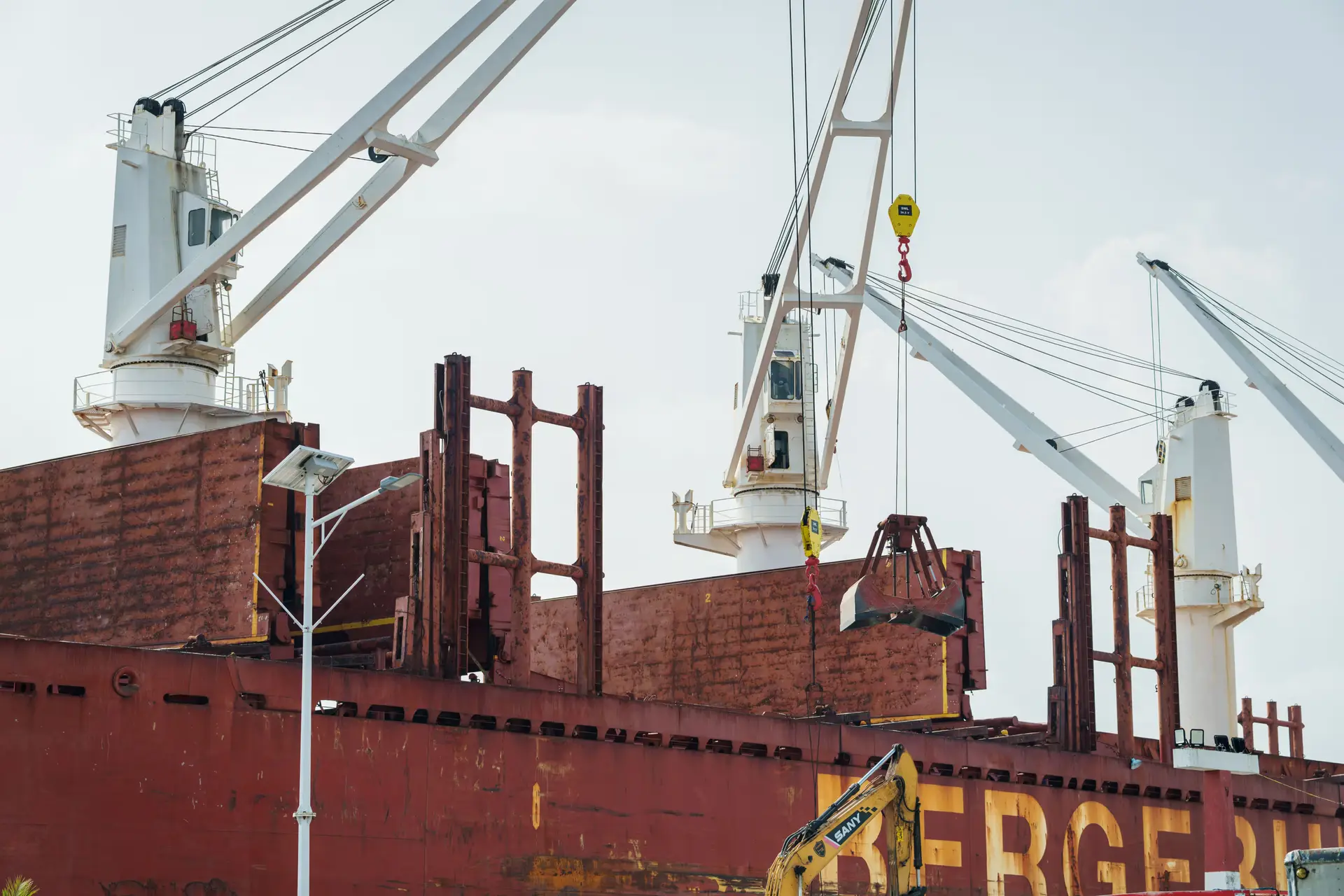
Swiss-manufactured precision ammunition reached Russia via Slovenia and Kyrgyzstan despite export restrictions, according to an investigation published by NZZ am Sonntag. The Swiss licensing authority, the State Secretariat for Economic Affairs (SECO), stated that it is examining the specific case.
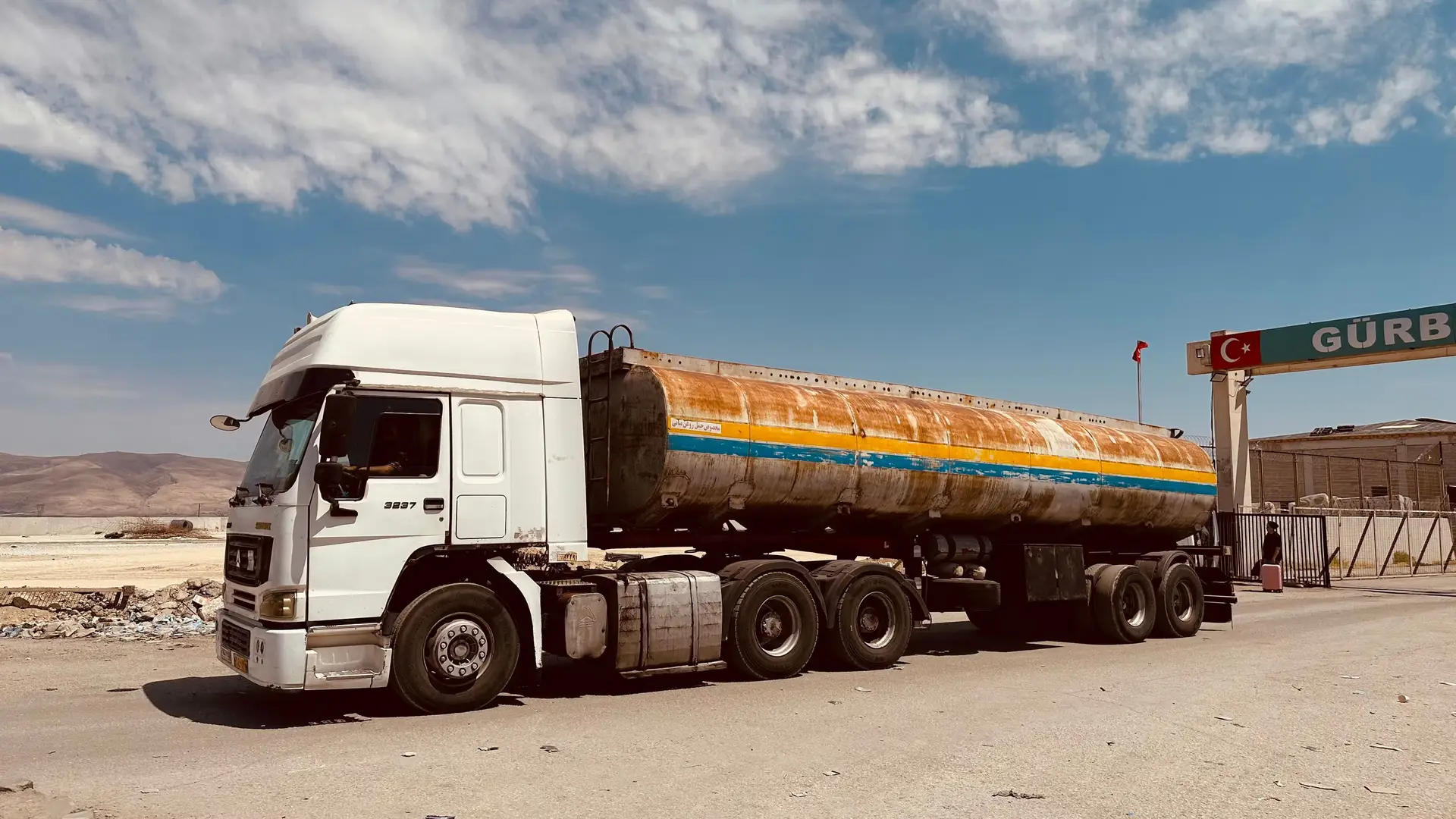
Entries in Moscow's official registry for conformity certificates show two shipments of precision ammunition produced by the Swiss defence company Ruag in Thun, registered in December 2022 and April 2023. Switzerland has prohibited new war material deliveries to Russia since 2014. The investigation indicated that the manufacturer exported the ammunition legally to a private arms trader in Slovenia. The dealer then resold the shipment to Kyrgyzstan, reportedly with the consent of Slovenian authorities, before the material was forwarded to Russia.
Unlike foreign governments, private arms dealers have not been required under Swiss rules to sign formal non-re-export declarations. SECO stated that since March 2024, it has required private foreign dealers trading in handguns and ammunition to submit written declarations specifying where they intend to sell the material. In a response to a parliamentary inquiry, the Federal Council noted that this requirement does not carry the same legal weight as a formal non-re-export declaration.
The findings emerged shortly before a Swiss referendum on proposed amendments to the War Material Act. Following Russia's invasion of Ukraine in February 2022, the Swiss parliament approved changes in December 2025 to permit Western partner nations to acquire Swiss war material even when engaged in armed conflicts. The proposed law would also remove the general requirement for state buyers to provide non-re-export guarantees, although the Federal Council maintains the authority to require them or block deliveries on foreign policy, neutrality, or security grounds. Direct and indirect war material deliveries to Ukraine remain prohibited under government rules.
Political parties remain divided over the reform. Social Democratic National Councillor Fabian Molina argued that waiving non-re-export declarations enables war material to reach third countries through intermediate countries. Swiss People's Party National Councillor Michael Götte stated that absolute control over exports is impossible under either current or revised legislation, adding that defense exports remain essential for national security and economic interests. The source does not quote Moscow's position regarding the registry entries.
Written by Christiane Hofreiter christiane.hofreiter@alpineweekly.com