Nov 15, 7:01 PM
Mass Demonstrations in Prague Over Proposed Shift in Public Media Funding
The Czech government seeks to replace broadcast licence fees with state budget allocations despite public pushback.
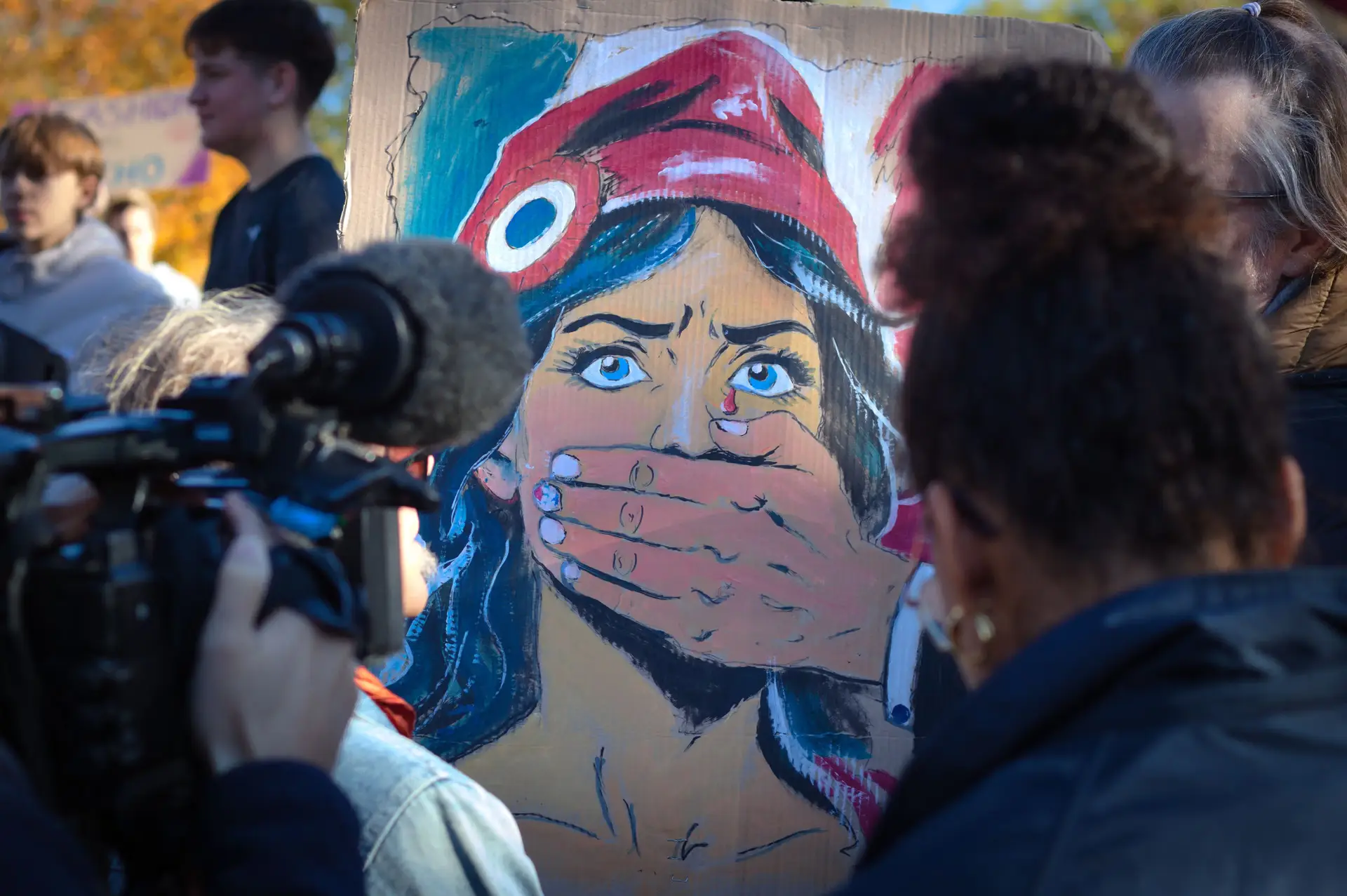
An estimated 400,000 people gathered in central Prague to demonstrate against the Czech government's legislative proposal to replace public broadcast licence fees with direct funding from the state budget. The demonstration, organised by the civic association Million Moments for Democracy, represents the largest public gathering in the country since 1993.
Under current regulations, Czech households pay 205 crowns ($9.44) per month to fund Czech Television and public radio. The ruling coalition, led by Prime Minister Andrej Babiš's ANO party alongside two right-wing Eurosceptic parties, approved the first draft of the reform in parliament late last month. Government officials contend that direct budget allocation is required to modernise the funding framework and reduce operational costs across state media operations.
Responding to public criticism, Prime Minister Babiš rejected claims that the restructuring aims to curb editorial autonomy. In an official statement to the Czech News Agency, Babiš said: “The funding system is changing, no one wants to control public media, no one wants to dictate to them what they should say and do, no one wants to nationalise them.” He added that the current licence fee model is outdated and noted that several European nations have implemented similar reforms.
Several European states have eliminated broadcast licence fees in recent years in favour of alternative taxation models. France abolished its television licence fee in 2022, opting to finance public broadcasters through a designated portion of value-added tax revenues. Norway phased out its licence fee in 2020, transferring the funding of its public broadcaster directly into the national budget.
Critics of the Czech reform argue that reliance on state budget allocations allows elected officials to exert financial leverage over editorial decisions. Opponents have drawn comparisons to media governance in Hungary under former Prime Minister Viktor Orbán, where state media operating models were substantially restructured. International watchdog groups, including Reporters Without Borders, have previously noted ongoing political friction between the Babiš administration and national news outlets.
Written by Thorben Thiede thorben.thiede@alpineweekly.com