Aug 25, 10:01 PM
Sugar Taxes, Industrial Crises, and Moral Posturing in Berlin
As industrial giants falter and tax authorities target sugar-free drinks, Germany's political landscape strays further from economic reality.
German domestic policy has reached a state of administrative surrealism that would be amusing were the economic stakes not so high. On one end of the spectrum, the nation’s once-unshakable industrial foundations continue to show structural fractures. The crisis at Volkswagen, where public confidence in corporate leadership has effectively evaporated, serves as a stark warning of a faltering industrial strategy. On the other end, government policy responds to economic stagnation not with deregulation or competitiveness, but with administrative overreach: extending a proposed sugar tax to entirely sugar-free beverages. In the contemporary regulatory mindset, even the absence of sugar presents a fresh opportunity for state extraction.
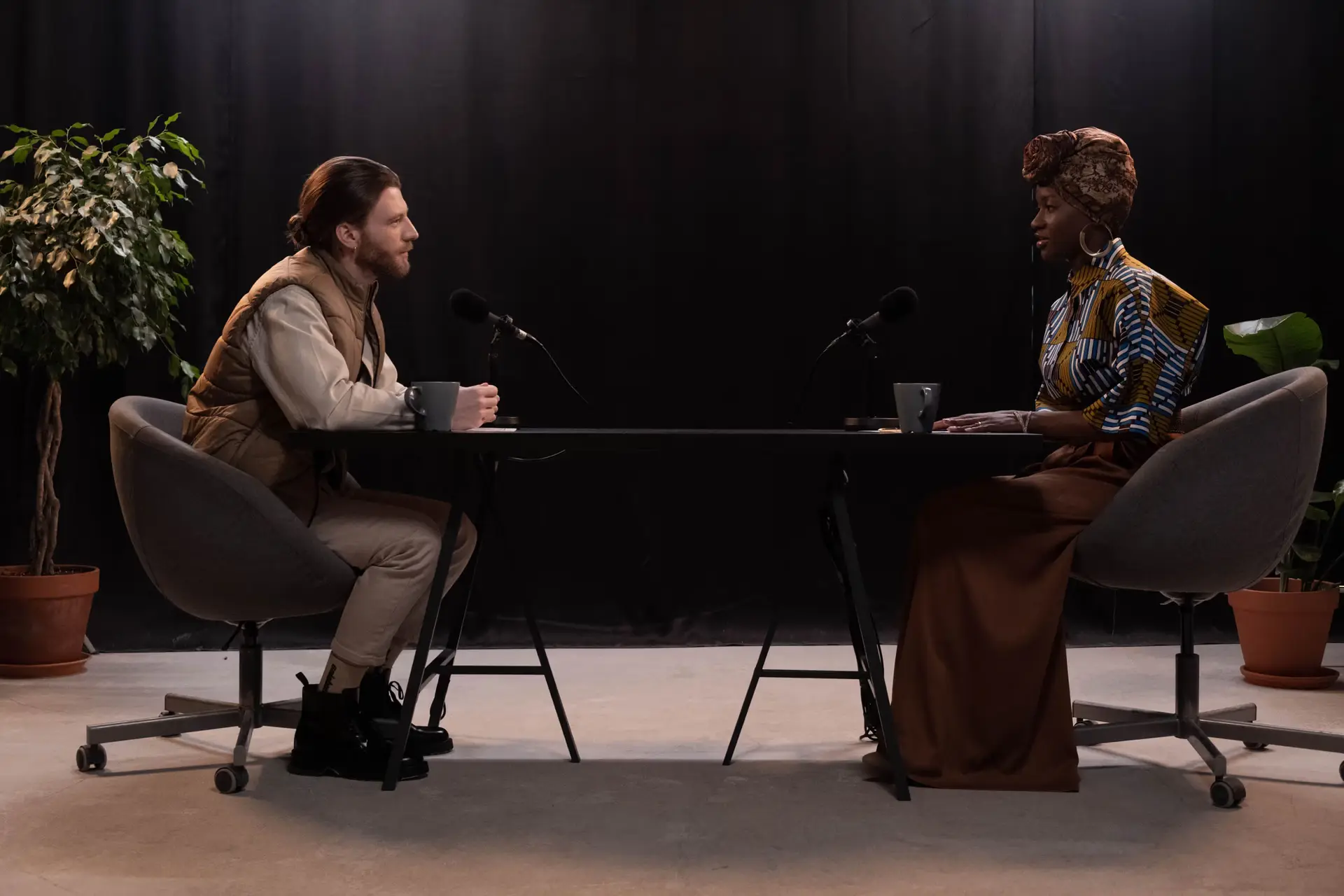
This mounting list of contradictions formed the backdrop of a recent discussion led by broadcast host Andreas Dorfmann, alongside commentators Vadim Derksen of Junge Freiheit and Julia Weishaupt. Their agenda provided a diagnostic portrait of a political class increasingly detached from market fundamentals. A prime case in point is the trajectory of Friedrich Merz. Once viewed as a pragmatic proponent of economic rationalism and strong foreign policy, Merz appears to be refashioning his public profile into that of yet another self-styled climate chancellor. When the primary opposition leadership pivots toward green interventionism to secure broad political acceptability, the scope for genuine market-oriented reform contracts dramatically.
Equally revealing is the tone of contemporary moral arbiterism in public life. The ongoing controversy surrounding Sven Hüber, deputy head of the police union Gewerkschaft der Polizei, illustrates a concerning double standard. Facing severe allegations regarding his historical conduct toward individuals attempting to flee across the Berlin Wall, Hüber now publicly positions himself as an aggressive advocate for political crackdowns against the Alternative für Deutschland. That figures with such contested pasts feel comfortable leading public crusades against legal political opposition raises unsettling questions about the current health of free speech and democratic norms.
When industrial powerhouses falter, fiscal authorities penalize zero-calorie beverages, and political actors prioritize partisan suppression over economic revitalization, the underlying trajectory becomes hard to ignore. The political establishment continues to focus on symbolic grandstanding and bureaucratic expansion while the foundational drivers of national prosperity slip quietly away.
Written by Freya Stensrud freya.stensrud@alpineweekly.com