Oct 30, 3:01 PM
Rome’s Balance Sheet: Protests, Subsidies, and the Limits of State Spending
As real wages fall and prices surge, nationwide strikes test Italy’s security-first response.
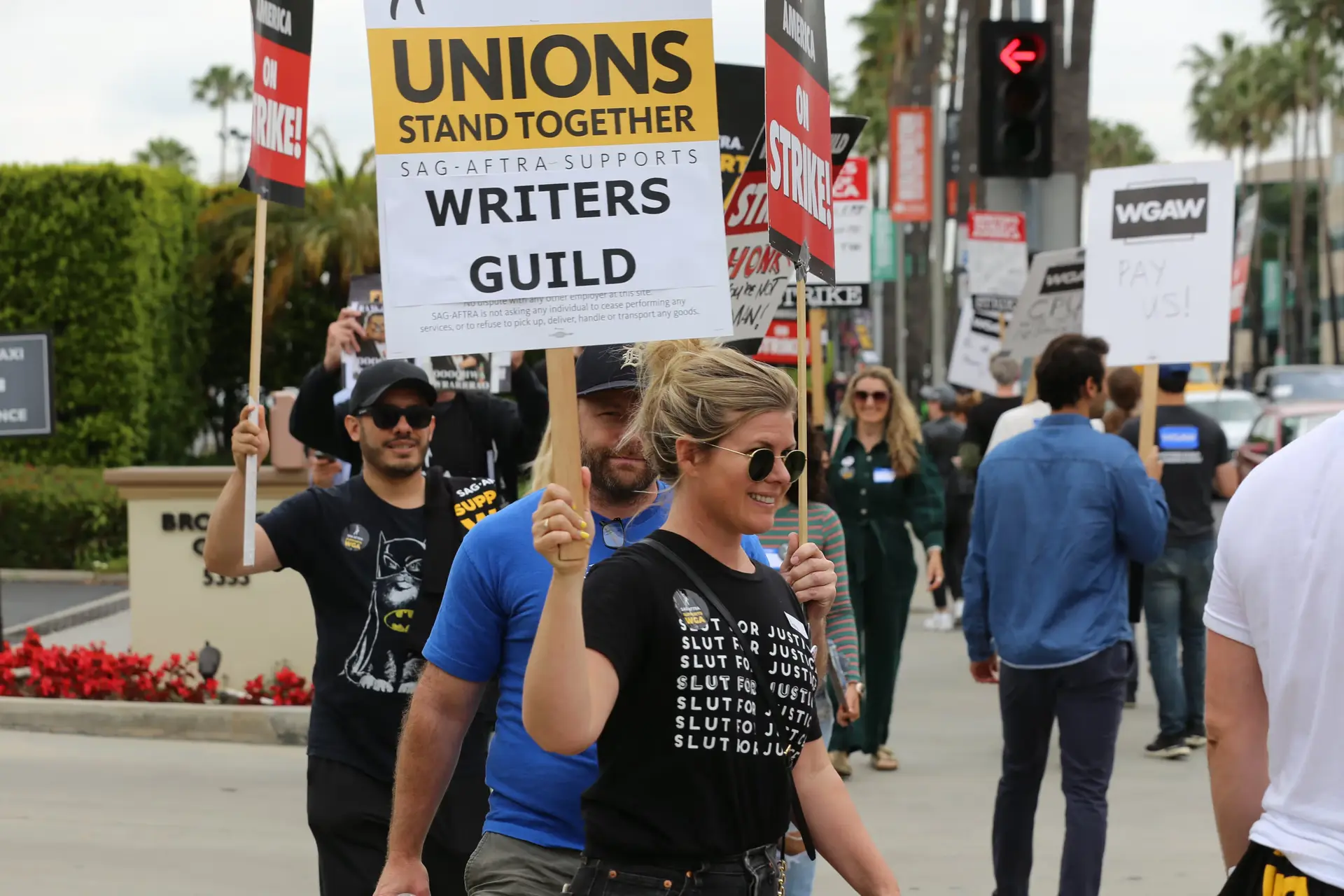
The iconic monuments of Rome and Milan found themselves framed by riot shields on Friday, as heavy police guards surrounded the Colosseum and the Lombard capital’s cathedral. Behind the security perimeters, tens of thousands of students, union members, and transport workers poured into streets across Rome, Milan, Naples, Turin, Bologna, and Genoa. What began as a strike organized by the USB trade union quickly evolved into a sweeping grievance against high living costs, underfunded education, and expanding military spending abroad.
The math explaining the public outrage is as stark as it is damning for the Italian state. Since 2000, prices for basic necessities—food, transport, energy, and household bills—have rocketed by 68 percent. Meanwhile, real average wages fell by almost 5 percent over the very same period, leaving households to contend with shrinking incomes in an increasingly expensive nation. The strike drew broad support, pulling in truck drivers, taxi drivers, and farmers demanding relief from elevated fuel prices.
To stem the tide of discontent, the government in Rome relies on a familiar mix of piecemeal handouts and strict policing. Prime Minister Giorgia Meloni’s administration recently approved a 175 million euro relief package aimed at truck drivers, farmers, and fishermen hit by surging fuel prices linked to Middle Eastern conflicts. For younger workers under thirty, the draft 2027 budget proposes an annual bonus of 2,500 euros. At a news conference, Meloni expressed hope that these measures would offer answers to young people who felt neglected by the state, explicitly adding that the funds were “not for those who smash windows.”
That distinction follows recent unrest in Milan, where youth clashes led to looted shops and smashed storefronts, prompting the government to tighten regulations on public gatherings and ease restrictions on detaining minors. Yet the discontent extends beyond domestic economic policy. Dockworkers and trade unions across Italy joined forces with counterparts in France, Greece, Spain, Turkiye, and Morocco, demanding an end to port militarisation. In a joint declaration, the unions insisted that “Ports must not be used for the transport of weapons, ammunition, military equipment and troops,” asserting that “Dockworkers do not work for war!”
When basic living expenses surge while worker earnings decline for a quarter of a century, short-term subsidies and extra riot police around tourist sites may only delay a broader reckoning. Whether a modest annual bonus for youth can substitute for genuine economic dynamism is a question Italian citizens will have to ask themselves.
Written by Christiane Hofreiter christiane.hofreiter@alpineweekly.com