Oct 23, 6:00 AM
Resource Ambition Meets Ecological Reality in Brazil’s Runoff
In Roraima, the promise of unrestricted mining exposes the irreconcilable clash between local economic interest and Amazonian conservation.
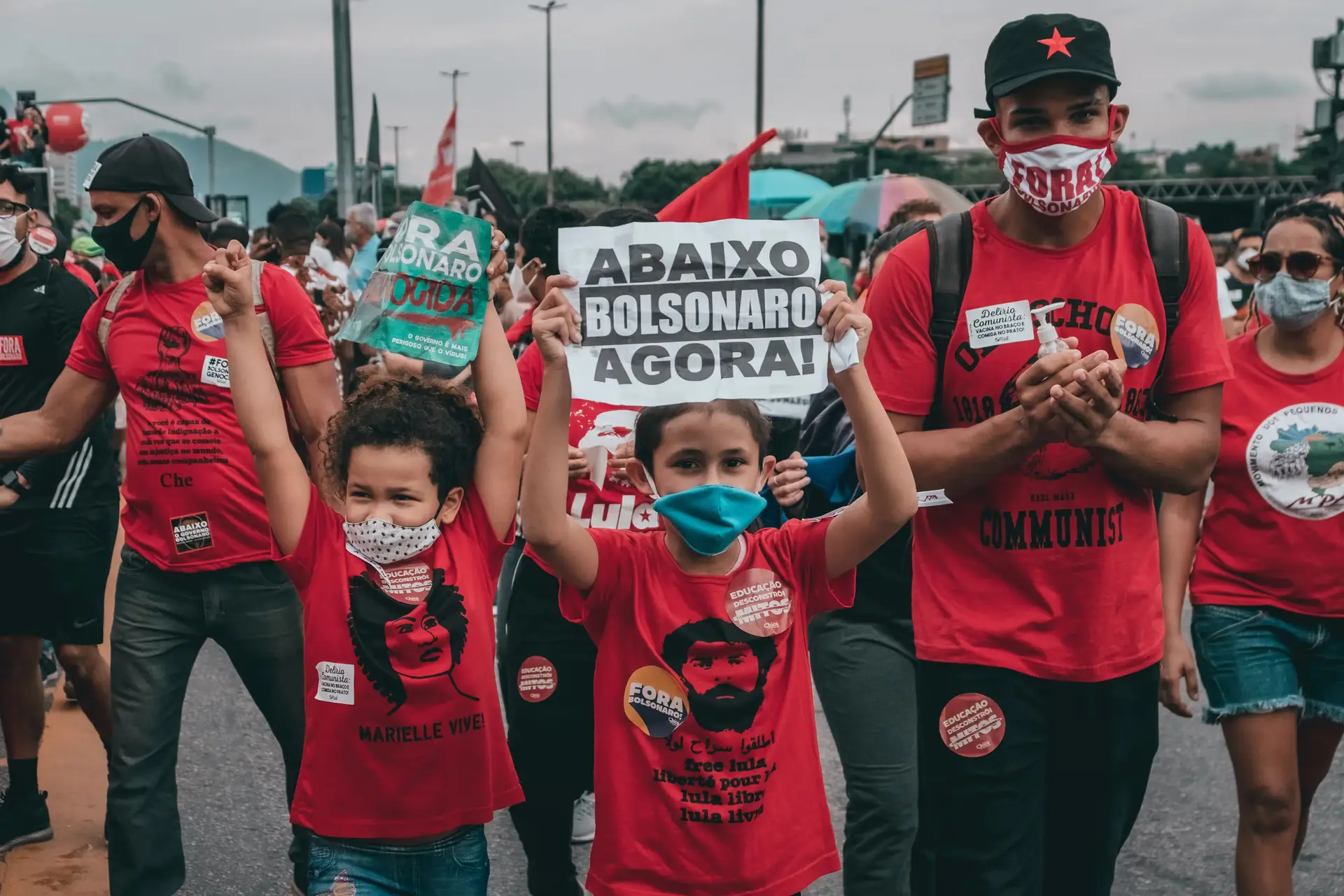
When democratic choices intersect with global ecological balance, local economic ambition almost invariably wins the first round. Brazil’s impending presidential runoff election offers a textbook study in this friction, as voters prepare to decide not just who occupies the executive palace, but how aggressively the Amazon rainforest will be opened for business.
In the northern state of Roraima, where far-right candidate Flávio Bolsonaro performed strongly in the initial vote, the mood among local politicians, preachers, and voters is less about environmental preservation and more about unfulfilled resource wealth. The prospect of reviving the aggressive mining policies pioneered by his father, Jair Bolsonaro, is viewed not as a threat, but as a long-overdue economic catalyst.
The elder Bolsonaro’s tenure demonstrated precisely what happens when regulatory friction is systematically dismantled. During his administration, approximately 4.5 million hectares—or 11 million acres—of rainforest were felled. Yet for many in Roraima, those figures represent less an ecological tragedy than the price of economic activity. The demand for mining rights remains a potent political currency in regions where immediate commercial gain easily overrides abstract long-term climate targets.
Standing squarely against this expansionist agenda are Indigenous activists, whose land rights and survival are tied directly to forest conservation. Their opposition presents a stark contrast to the development-at-all-costs philosophy gaining traction in the north. Should the younger Bolsonaro assume power, these communities face the daunting prospect of defending their territory against a state apparatus newly aligned with extractive industries.
This sharp divide exposes a fundamental dilemma in modern resource management. Can democratic systems effectively govern critical natural assets when local electors naturally prioritize immediate industrial expansion over international environmental equilibrium? Brazil’s upcoming decision will test whether regulatory frameworks can withstand the populist lure of easy resource wealth, or whether the Amazon's future will once again be dictated by the drill and the bulldozer.
Written by Sandy van Dongen sandy.vandongen@alpineweekly.com