Oct 23, 10:01 AM
Purity Meets Process: The Greens Face Their Own Governance Nightmare
A leadership challenge over misconduct allegations reveals the institutional weakness behind progressive posturing.
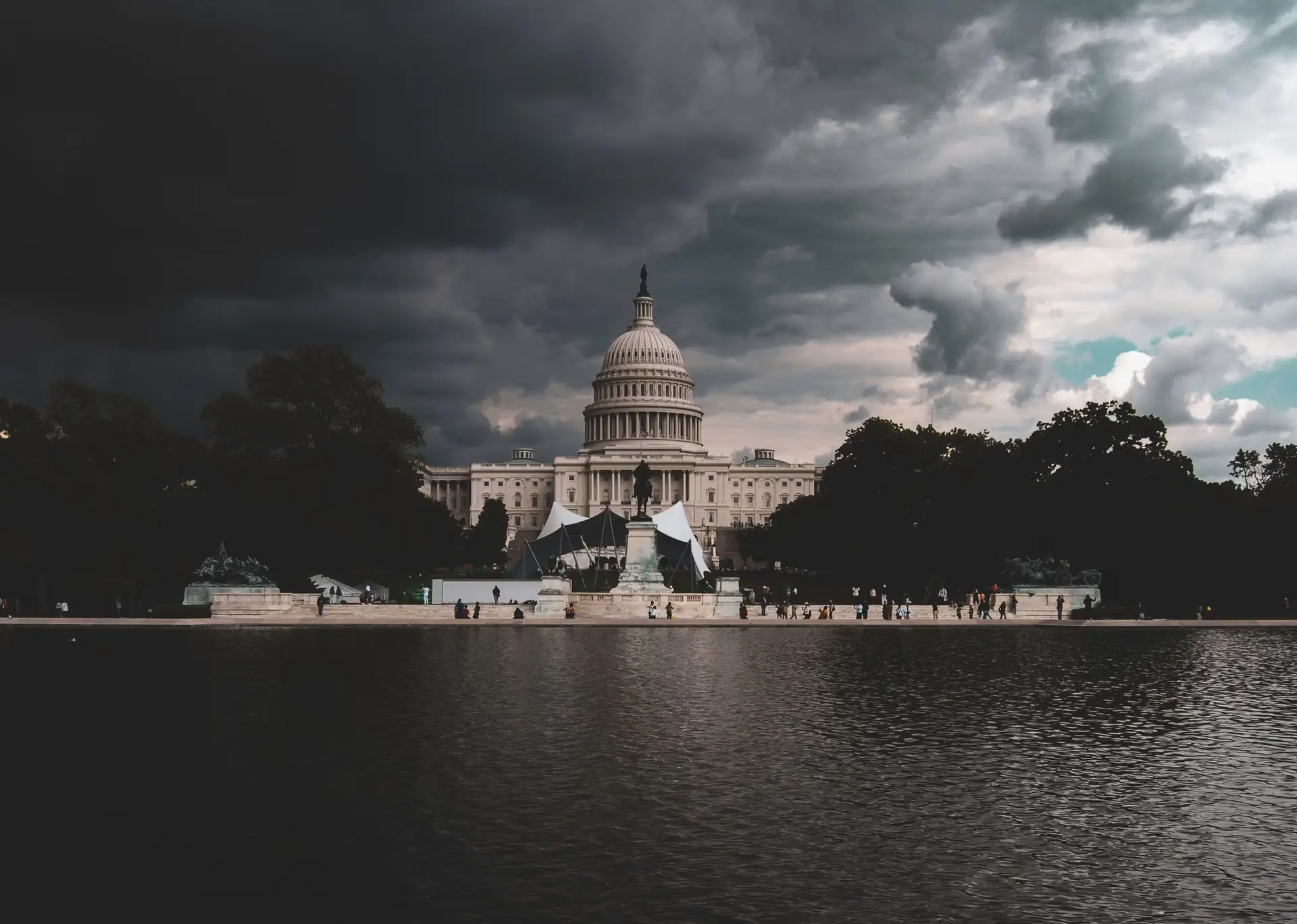
Progressive political parties rarely struggle to offer moral lessons to others, yet their own administrative architecture often collapses at the first sign of trouble. David Shoebridge is discovering this reality early in his tenure as federal Greens leader. Confronted with serious allegations against Western Australian senator Jordon Steele-John, Shoebridge attempted to project swift authority by announcing the senator would take leave during an independent inquiry. Instead, he triggered an open, embarrassing mutiny within his own ranks.
The crisis stems from a three-page letter delivered to leadership and promptly leaked to Nine newspapers, detailing secondhand allegations of inappropriate conduct towards women spanning from 2017 to 2025. Steele-John, the 32-year-old disability spokesperson who enjoys considerable support within the disability sector, refused to go quietly. He publicly rejected the claims, denied ever agreeing to step aside, and openly accused an internal faction of playing political games to sabotage his standing ahead of state pre-selection.
This defiance highlights a glaring weakness in the party's governance. Under Greens rules, a leader cannot unilaterally suspend or remove an elected representative. Enforcing leave requires a two-thirds secret ballot vote in the party room—demanding at least eight members to agree on expulsion. For a movement built on the ideal of consensus decision-making, resorting to such a heavy-handed procedural weapon would shatter party unity, regardless of whether the independent investigation clears the senator.
The timing could hardly be worse for Shoebridge. With Senate estimates convening, the Greens face an immediate dilemma over whether Steele-John should represent the party on stage. Major reforms to the National Disability Insurance Scheme demand robust parliamentary oversight, a role Steele-John normally anchors. Allowing a senator under investigation for misconduct to conduct public questioning presents terrible optics for a party that preaches unyielding standards on gender relations. Yet barring him risks appearing to prejudge an internal squabble where no direct complainant has publicly surfaced.
What began as a routine effort to manage damage has deteriorated into an administrative quagmire. By attempting to manage secondhand rumors through public leave announcements without the formal mechanism to enforce them, party leadership exposed its own impotence. The Greens now find themselves caught between their lofty claims of ethical superiority and the cold realities of factional score-settling.
Written by Thomas Nussbaumer thomas.nussbaumer@alpineweekly.com