Oct 23, 12:02 PM
Drones and Debris: Sinking Off Constanța Exposes Black Sea Vulnerabilities
A strike on the merchant ship Khoryv forces a Romanian rescue effort and highlights the rising hazard to commercial shipping.
The Black Sea has once again demonstrated that routine maritime commerce in Eastern Europe comes with unpredictable liabilities. Just thirteen miles off the Romanian port of Constanța, a commercial vessel became the latest loss along the European Union’s south-eastern sea lanes.
The ship, identified as the Khoryv, issued a distress signal on Friday after suffering what reports indicate was a drone strike. On board the vessel were thirteen crew members, consisting of Ukrainian and Azerbaijani nationals. The vessel subsequently sank into the water.
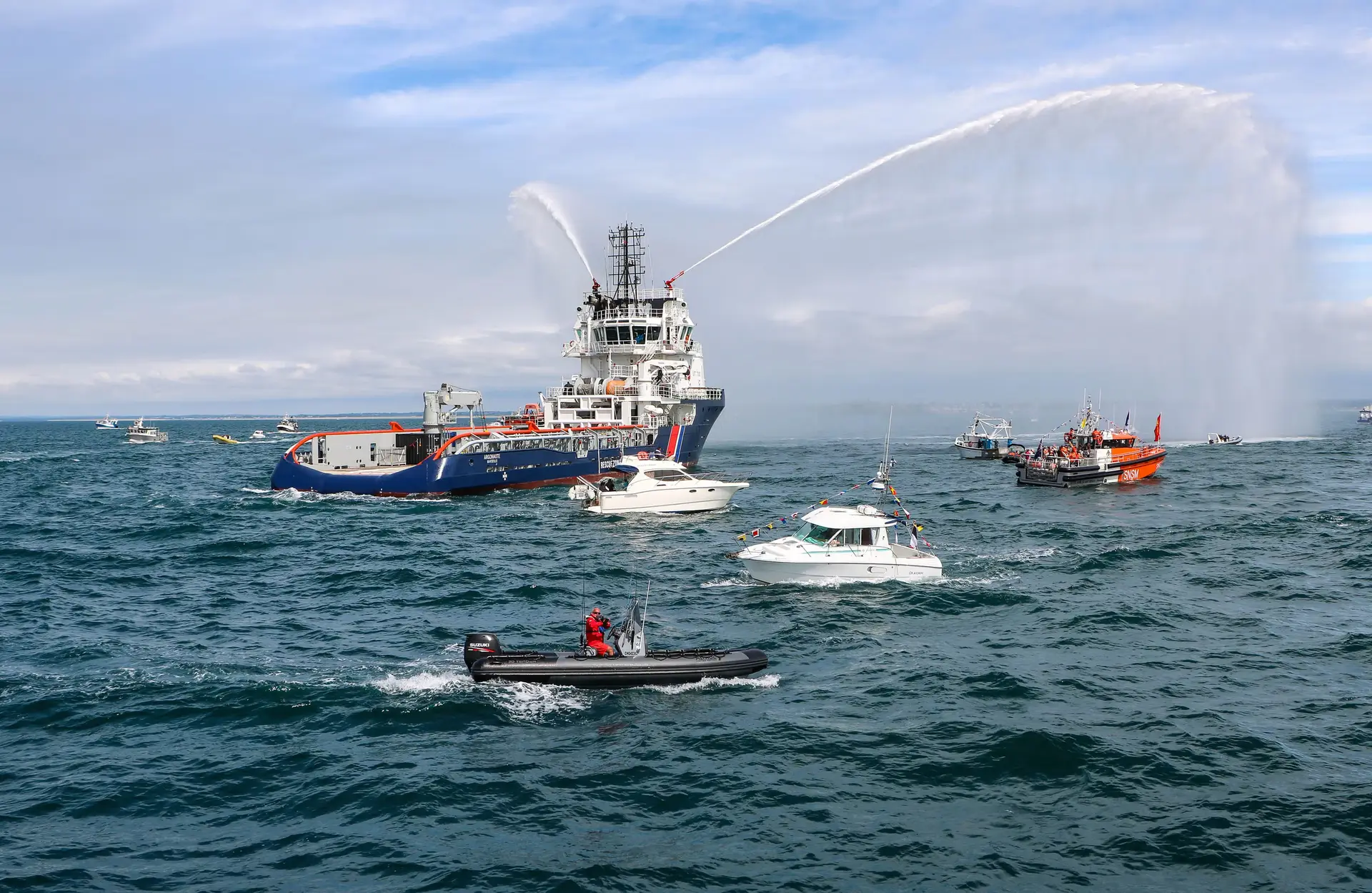
Emergency operations were immediately initiated by Bucharest to locate survivors in the area. According to an official press release from the Romanian Naval Authority, rescue vessels managed to recover nine people alive and one body from the water. Three sailors remain unaccounted for. The intervention faced severe operational constraints from the outset, as adverse weather conditions and severely reduced visibility prevented the deployment of rescue helicopters, leaving surface vessels to handle the search effort alone.
This incident is not an isolated occurrence. It represents the latest in a series of maritime disruptions across the Black Sea basin, where commercial vessels navigating near the coasts of Romania and Bulgaria have been repeatedly struck in recent weeks by drones believed to be Russian.
The persistent exposure of these maritime corridors exposes the structural fragility of regional security. While Romania deployed its naval assets to pull survivors from the sea, maritime traffic off regional shores like Bulgaria faces mounting risk. For commercial shipping companies, the economic reality is straightforward: operating in these waters is rapidly transforming from a calculated commercial risk into a hazard that insurance markets may soon refuse to bear.
Written by Thomas Nussbaumer thomas.nussbaumer@alpineweekly.com