
Oct 23, 12:02 PM
The Five-Trillion-Dollar Pause: Typhoon Champi Grinds East Asia to a Halt
A Super El Niño fuels the year's strongest Pacific storm, shuttering markets and stranding travelers across Taiwan and Japan.
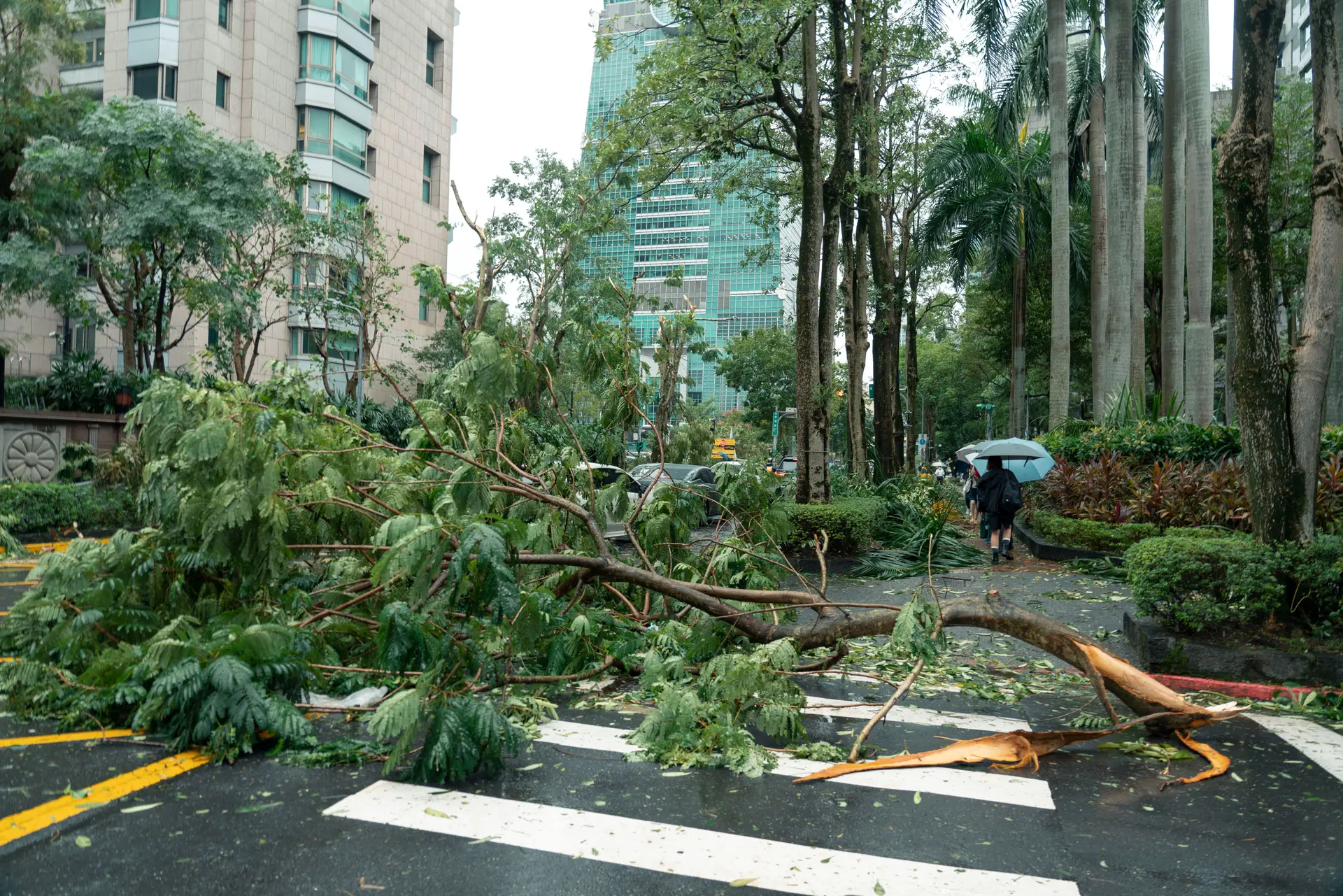
When an oceanic force manages to suspend a five-trillion-dollar equity market with a single swipe of its outer bands, human economic preeminence looks predictably flimsy. Typhoon Champi, briefly the planet's most formidable atmospheric engine of 2026, forced East Asia into a collective standstill on Friday. Pushing wind gusts of 191 kilometers per hour as it brushed past Taiwan’s north-eastern shore, the storm laid bare the fragile boundary between modern commerce and raw meteorological reality.
In Taiwan, the response was as sweeping as it was necessary. Authorities effectively put the island on ice, declaring an official typhoon holiday across twenty-one of its twenty-two administrative regions. Only the remote archipelago of Kinmen kept its doors open. Offices were shuttered, schools emptied, and the financial pulse of the nation—its vast stock exchange—flatlined for the day. Yet despite elaborate precautions and advance warnings, the physical toll could not be entirely avoided. One person drowned after being swept out to sea, more than 170 suffered injuries, and over a thousand residents were forced into temporary evacuations as forecasters warned of up to 90 centimeters of rain hammering the north-east through Saturday.
The disruption quickly radiated through East Asia’s tightly interconnected travel networks. Hundreds of regional flights were grounded, stranded in tarmac paralysis. In southern Japan, Champi’s reach cut power to nearly 8,400 households across Okinawa and forced domestic carriers to cancel more than 160 flights. Further south, in the Philippine island chain of Batanes, coastal roads were inundated by violent surges, leaving seaside villages isolated under torrential skies. The storm is expected to hover off China's eastern littoral before tracing an arc toward Japan’s main islands, keeping regional supply chains on edge.
Champi is no isolated anomaly; it represents Japan’s thirtieth typhoon of the year, a threshold not breached since 2013. Fueled by a Super El Niño that has transformed the Pacific Ocean into a thermal engine, this storm season highlights the precariousness of regional prosperity. Earlier in the week, Champi packed sustained winds of 298 kilometers per hour over the Philippine Sea—a terrifying showcase of nature’s power. While meteorologists at Taiwan’s Central Weather Administration monitor whether the storm’s eye will wobble into direct landfall, the economic damage is already done. Millions of workers stay home, supply chains pause, and the region is once again confronted with the reality that no amount of financial engineering can hedge against a boiling ocean.
Written by Thorben Thiede thorben.thiede@alpineweekly.com