Oct 29, 9:01 AM
Order by Force, Ballots on Hold: Bukele Steps Into Haiti’s Vacuum
As Port-au-Prince pushes elections to 2027, El Salvador dispatches 2,000 soldiers following an ambush on its military personnel.
Planning democratic elections in a territory where the state has ceased to exercise a monopoly on violence is an exercise in institutional self-delusion. Haiti’s Provisional Electoral Council provided the latest demonstration of this on Wednesday, quietly pushing the first round of presidential and parliamentary voting from December to July 18, 2027, with potential runoffs and local polls scheduled for October 4, 2027. The delay simply acknowledges what anyone looking at Port-au-Prince already knew: holding a vote is impossible when armed groups control the roads leading to registration centers.
Out of 6.5 million citizens holding valid identification cards required to enroll, fewer than 900,000 have managed to register. The introduction of online voter registration forms does little to bridge the chasm between bureaucratic ambition and physical reality. Haiti has not held an election since 2016, and the security vacuum left by the 2021 assassination of President Jovenel Moise continues to widen. Successive transitional authorities repeat the same script, postponing democratic returns while gang violence forces thousands from their homes.
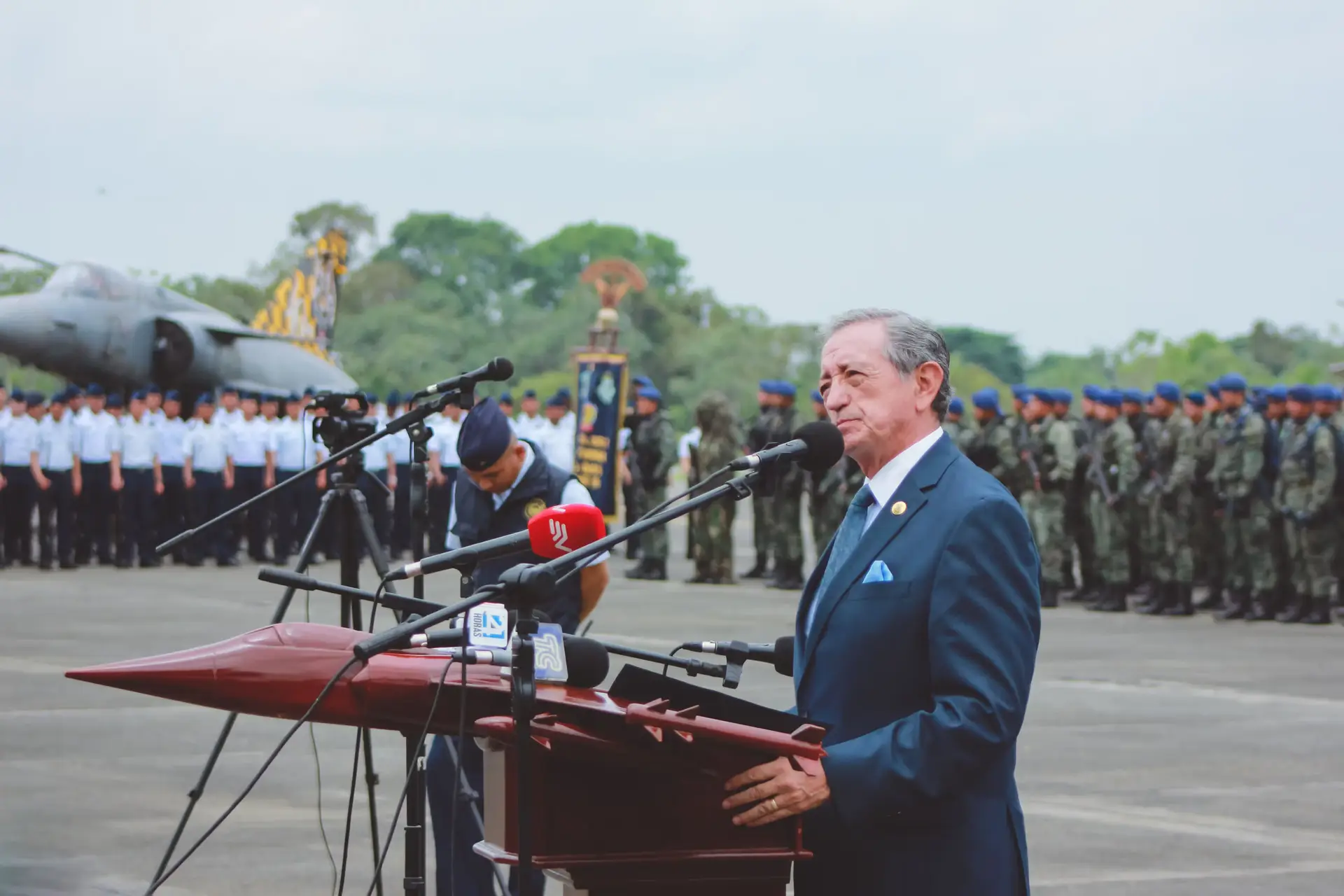
Enter Nayib Bukele. El Salvador’s foreign ministry announced the deployment of more than 2,000 soldiers to Haiti. The move follows the October 18 ambush in Croix-des-Bouquets, east of the capital, where four Salvadoran aviation technicians attached to an international security mission vanished. Bukele had already dispatched initial personnel and issued an explicit warning to Haitian gangs on social media in Haitian Creole, threatening their destruction if his men were not returned. Following a phone call between Bukele and Haitian Prime Minister Alix Didier Fils-Aime, both governments confirmed plans to step up security operations and rescue efforts.
Whether these additional Salvadoran soldiers will operate under the existing United Nations-backed Gang Suppression Force or maintain an independent command structure remains undisclosed. Foreign troops have attempted to stabilize Haiti under UN frameworks since 2024, ostensibly to create safe conditions for eventual elections. Yet the ground reality deteriorates regardless of international footprints.
The humanitarian metrics underlying this political collapse are stark. Recent food security assessments indicate that 5.94 million Haitians face acute hunger, with 1.8 million surviving in emergency conditions as gang operations choke agricultural distribution and trade. Projections suggest that figure will rise to 6.35 million by mid-2027. Foreign military force may retrieve missing personnel, but it cannot substitute for the total absence of a functioning domestic state.
Written by Christiane Hofreiter christiane.hofreiter@alpineweekly.com