
Oct 23, 10:01 AM
Naive Calculations and Broken Promises: Bern’s F-35 Reality Check
The Swiss Federal Council promises stricter oversight for defense deals after its fixed-price assurances for American fighter jets collapsed.
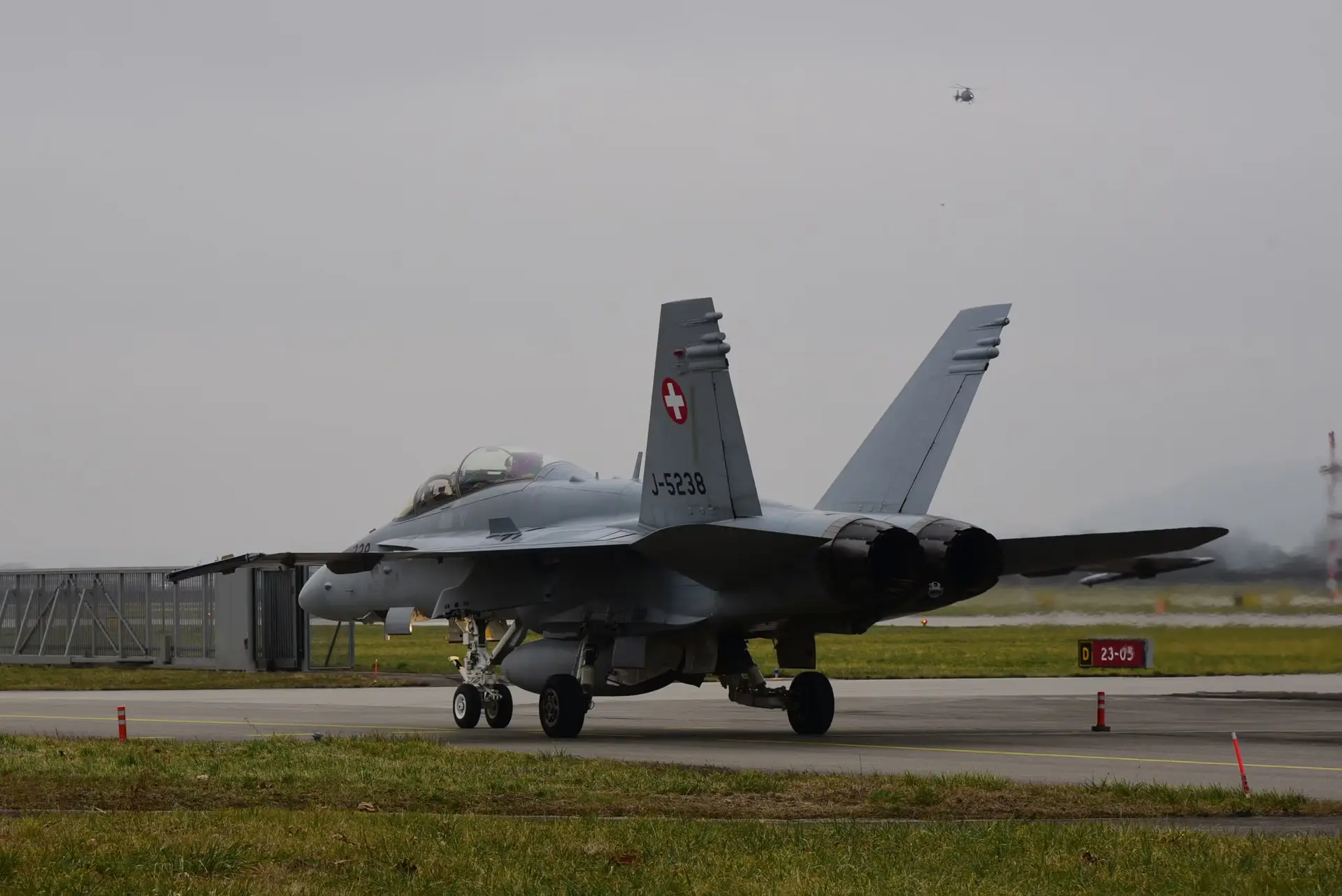
When money is plentiful and faith in legal texts borders on the naive, government spending easily loses its grip on reality. Switzerland’s venture into high-end defense procurement has delivered yet another masterclass in how institutional optimism collides with real-world price tags. Confronted with a stinging rebuke from parliamentary overseers regarding the purchase of American F-35 fighter jets, the Federal Council has now officially promised to do better.
In its official response to the National Council’s Control Committee, the government announced it would accept six out of seven recommendations aimed at overhauling defense procurement. Future arms deals are supposed to become more transparent, risk management is to be hardened, and the legal department at the procurement agency, Armasuisse, will be bolstered. It is a familiar administrative reflex: when an expensive mistake comes to light, the immediate cure is more procedure and reinforced legal services.
The political embarrassment stems from the central promise that anchored the entire multi-billion-franc acquisition—a supposedly guaranteed fixed price. That illusion dissolved rapidly, leaving defense officials to admit that the original budget would likely yield only 30 aircraft instead of the planned 36. To bridge part of the gap and preserve operational goals, parliament recently felt compelled to approve an additional credit of 394 million Swiss francs.
Yet, while accepting the committee’s structural advice, the Federal Council pushed back against the embarrassing insinuation that Swiss authorities signed the American contract without actually reading it. The government expressed regret over the public impression that only the former project leader had digested the full agreement. According to Bern, multiple Armasuisse specialists, the former head of defense procurement, and former Defense Minister Viola Amherd herself had intensely examined the financial clauses before signing off.
Whether the clauses were misunderstood or simply swallowed out of eagerness to seal the deal remains an uncomfortable question. Current Defense Minister Martin Pfister has had to manage the fallout of an enterprise where financial predictability was assumed rather than secured. For a prosperous nation accustomed to quiet compromise and neat balance sheets, the F-35 saga offers a costly lesson in the perils of negotiating defense deals with global superpowers on pure goodwill.
Written by Martina Kirchner martina.kirchner@alpineweekly.com