Nov 2, 9:01 PM
Locking the Courthouse: Zambia’s Post-Election Reality
Following a disputed August vote, President Hakainde Hichilema’s administration has responded to critics with arrests, closed courts, and physical force.
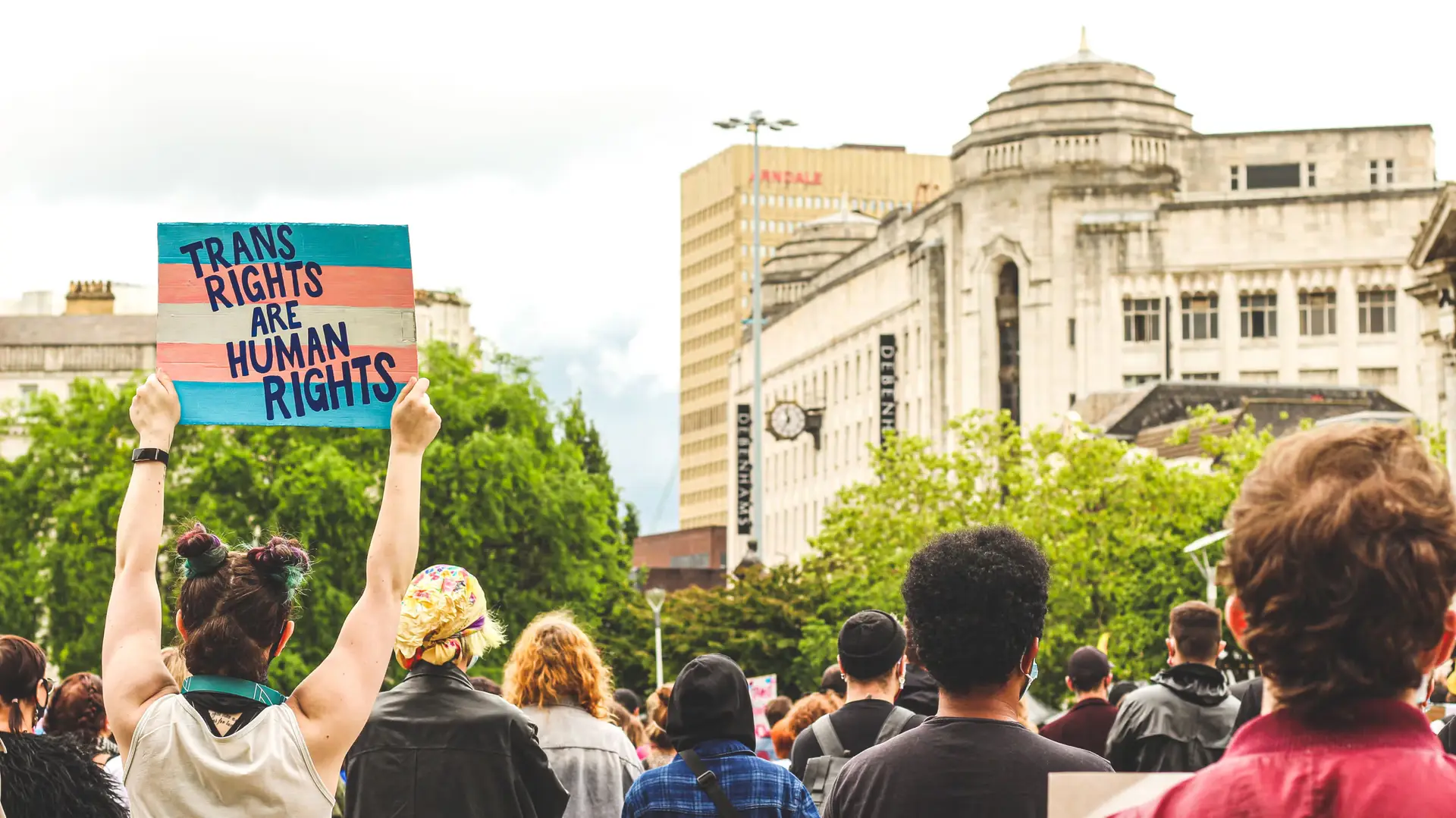
Closing the courtrooms of a nation two weeks after a contentious election is a remarkably efficient way to handle legal appeals, if a bit lacking in democratic finesse. The Zambian police described the sudden judicial shutdown as an intelligence-led and preventive measure, offering no further explanation. Human Rights Watch pointed out that the move accomplished one primary objective: it barred the political opposition from filing any legal challenges against the reelection of President Hakainde Hichilema.
Hichilema’s second term began with a celebration at National Heroes Stadium in Lusaka, but the reality outside the arena tells a starker tale. While the president took his oath of office, his main political rival, Brian Mundubile, observed the proceedings from a detention cell. Charged with treason after asserting that the opposition had actually won the August 13 vote, Mundubile’s predicament illustrates the post-election landscape in Lusaka.
The hostility did not begin at the courtroom doors. Just one day after the August election, police raided Mundubile’s residence. That operation resulted in the shooting death of Mutotwe Kafwaya, a former cabinet member. Since then, around a dozen other opposition figures who dared to question the election results have found themselves under arrest.
The crackdown reaches far beyond prominent politicians. In a report published on Sunday, Human Rights Watch detailed a pattern of forced disappearances, arbitrary detentions, beatings, and threats carried out by police and military forces. The targets include not just political activists, but also journalists, lawyers, and civic critics who raised concerns over allegations of vote rigging.
Ashwanee Budoo-Scholtz, deputy Africa director at Human Rights Watch, called on the government to break what she described as a dangerous cycle of repression, urging authorities to grant detainees access to lawyers and medical care while holding security forces accountable. The rights organisation has also demanded an independent and impartial investigation into the killing of Kafwaya.
Yet, when state authorities respond to electoral disputes by detaining rival candidates, locking the courthouse doors, and silencing critics, the message sent to citizens and foreign observers is unmistakable. Power consolidated by disabling the rule of law is rarely power held securely.
Written by Thorben Thiede thorben.thiede@alpineweekly.com