Oct 26, 1:01 PM
Justice, Swiss Style: A Suspended Sentence for Regime Henchmen
A provincial court in St. Gallen convicts a former Belarusian special forces operative, exposing the delicate line between international treaty obligations and mild punishment.
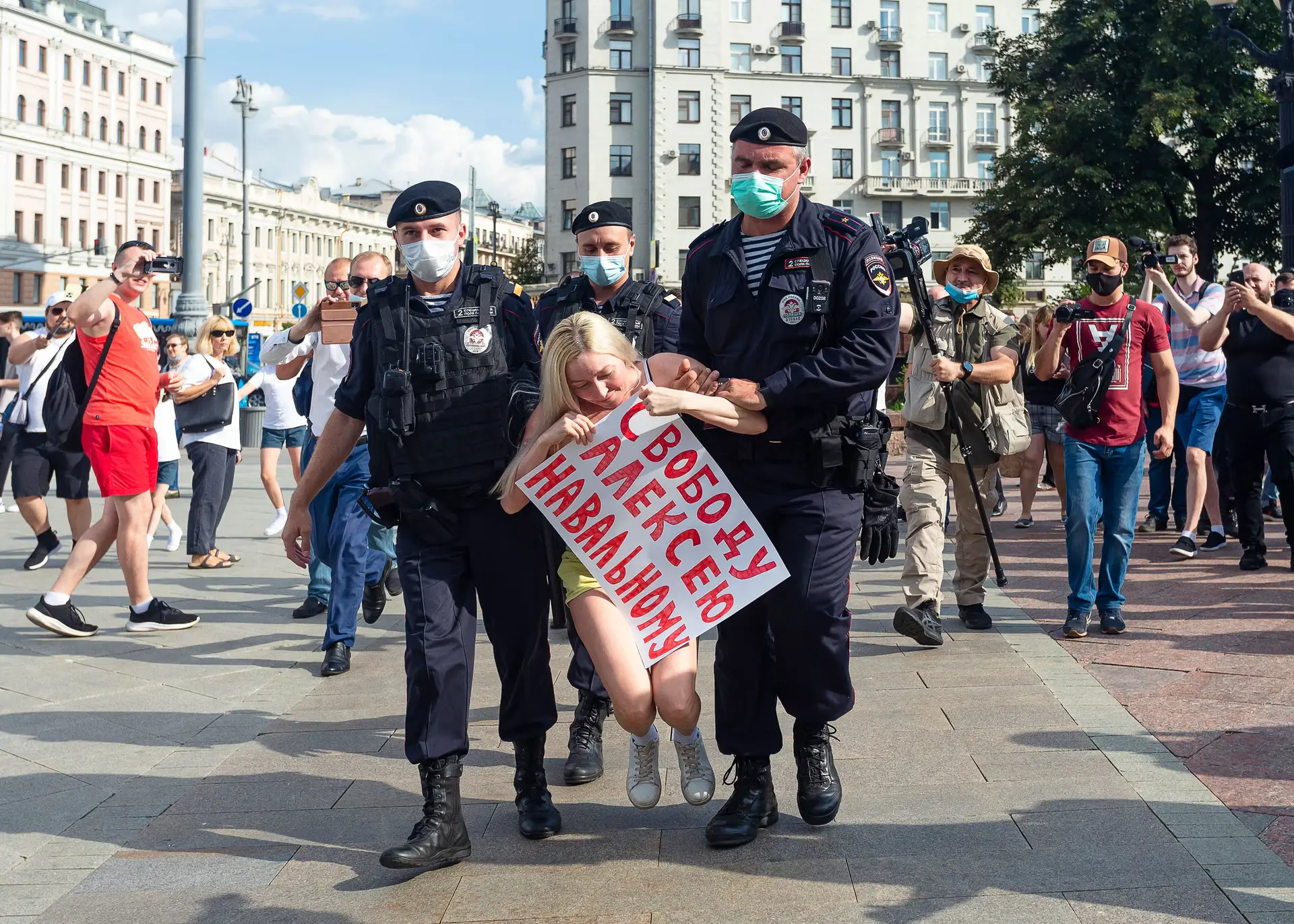
Switzerland has long possessed a quiet knack for offering quiet refuge to the compromised, only to discover later that international obligations occasionally require cleaning house. In a legal proceeding of unusual scope, the Cantonal Court of St. Gallen delivered a verdict on a 48-year-old Belarusian living quietly within the canton. The court handed down a two-year suspended sentence for his involvement in the enforced disappearance of a political activist in 1999 under the autocratic regime of Alexander Lukashenko.
The background traces back to the late 1990s, when Belarusian citizens took to the streets against Lukashenko, who has maintained power since 1994. During that period of unrest, three prominent opposition figures, including former Interior Minister Yury Zakharenko, vanished without a trace. Decades of silence ended only when the defendant appeared in a Deutsche Welle documentary, openly alleging that he had been part of a specialized squad tasked with eliminating dissidents. Human rights organisations subsequently located the former soldier in St. Gallen and filed criminal charges alongside victims' relatives four and a half years ago.
How a provincial Swiss court comes to adjudicate political atrocities committed in Eastern Europe a quarter-century ago is a matter of international diplomacy. Switzerland ratified the United Nations Convention against Enforced Disappearance ten years ago, obligating domestic authorities to prosecute such offences regardless of where they occurred. Translating high-minded international legal standards into actual criminal penalties, however, frequently becomes an exercise in institutional compromise.
The St. Gallen court reached its verdict through careful legal differentiation, issuing one conviction alongside two acquittals. An earlier acquittal by the Rorschach District Court remained standing in one instance because prosecutors chose not to appeal it. In the case involving former Interior Minister Zakharenko, judges accepted that the accused was an inexperienced recruit who genuinely believed the mission was aimed merely at intimidation. By the time the third abduction took place, however, the court concluded that his prior experience left him with no doubts about the lethal nature of the unit's work.
The sanction itself prompts uncomfortable questions about judicial proportion. While the court noted that eight years in prison would typically fit such offences, it chose to suspend the two-year penalty entirely. Judges cited the defendant's comprehensive confession, his cooperation throughout the process, and a personal meeting with a victim’s relative as mitigating factors. Aside from several thousand francs in court costs, the former operative walks away without serving time behind bars, though the verdict may still be appealed to the Federal Supreme Court.
Written by Andreas Hofer andreas.hofer@alpineweekly.com