Oct 26, 1:02 PM
The Art of Burning Billions
Germany's second public network posted an 80-million-euro deficit despite record fee income.
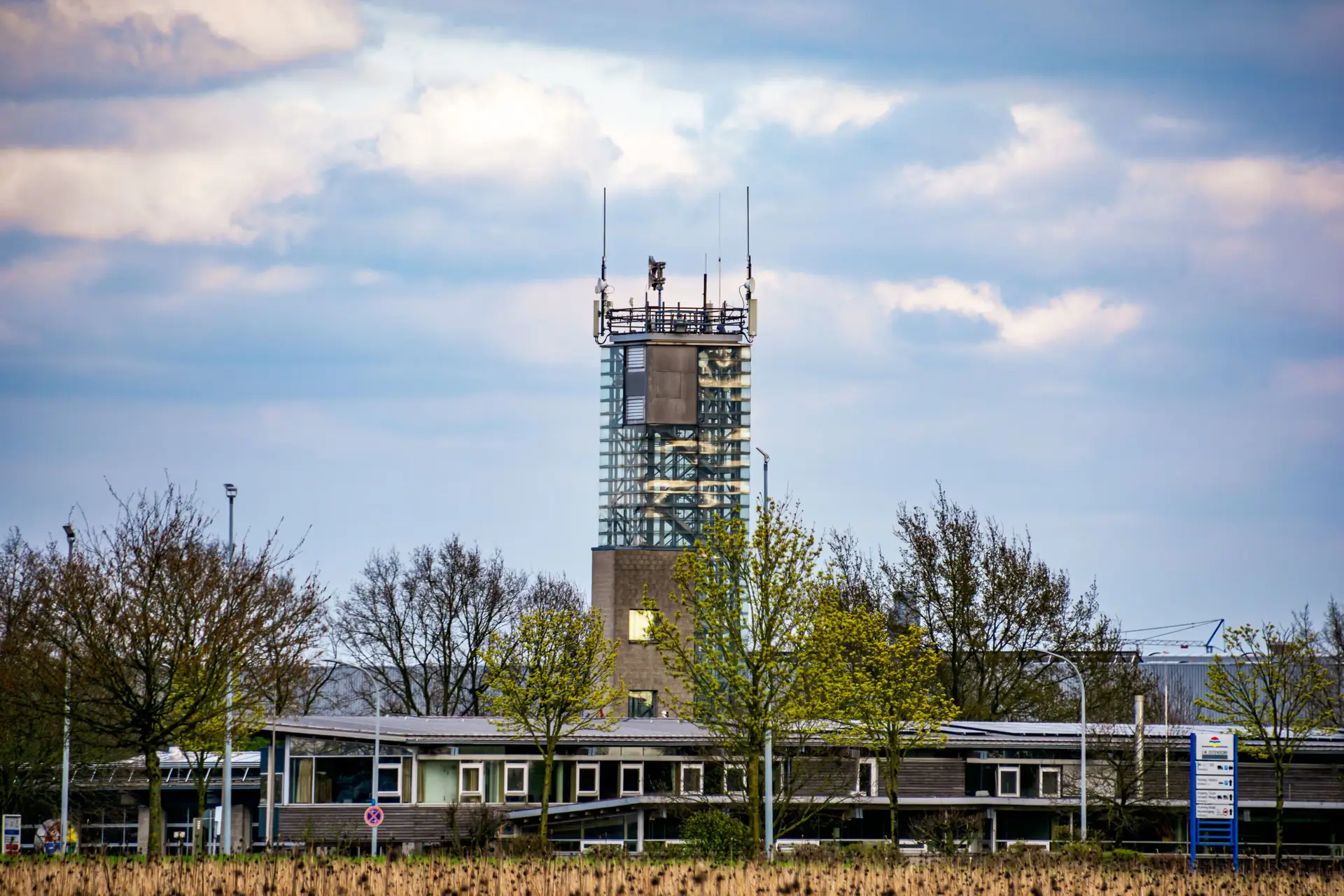
To manage a budget deficit of nearly 80 million euros in a single year requires either extreme misfortune or a peculiar institutional mindset. For Germany’s second public television network, ZDF, it appears to be the latter. In 2025, the broadcaster pulled in a staggering 2.63 billion euros—91.8 million euros more than the previous year. Yet, when the financial ledgers were closed, the institution found itself trailing by 78.6 million euros, missing its own fiscal target by nearly 50 million.
The official explanation from Mainz arrived with predictable swiftness: the federal states are to blame. By refusing to implement the 58-cent monthly fee increase recommended by the KEF financial commission, state politicians supposedly starved the network of its rightful funds. That revenues actually rose year-on-year is treated as a minor detail. ARD and ZDF have long since turned to the Federal Constitutional Court in Karlsruhe to force the price hike through, seemingly convinced that public funding is a fundamental right rather than a civic burden.
A closer examination of the line items reveals where the money flows. Program expenditure dipped slightly to 1.38 billion euros—a modest reduction of 33 million euros, owed largely to the absence of expensive sports broadcasts like the Olympic Games or European football championships that inflated 2024 budgets. While lower pension obligations offered temporary relief on personnel expenses, direct spending on salaries and social contributions continued their steady upward trajectory.
This fiscal appetite collides with an increasingly disaffected public. Viewers are not merely paying more for less; they are being subjected to programming that frequently abandons editorial neutrality for aggressive satire. A recent sequence on "ZDF Magazin Royale," hosted by Jan Böhmermann, featured a simulated fatal crash targeting a local election campaign by AfD politician Ulrich Siegmund. Such displays do little to convince taxpayers that their forced contributions are funding high-minded public discourse.
When an organization insulated from market forces responds to a revenue surplus by demanding even more compulsory money, the structural problem is obvious. Karlsruhe may eventually decide on the legalese of the fee increase, but the fundamental question remains: how long can public broadcasting demand automatic expansion while insulating itself from basic economic reality?
Written by Christiane Hofreiter christiane.hofreiter@alpineweekly.com