Oct 27, 5:01 PM
High Turnout, Cold Math in Israel's Referendum Vote
As Israelis flock to the polls in record numbers, the high-stakes election tests electoral arithmetic, political alliances, and democratic access.
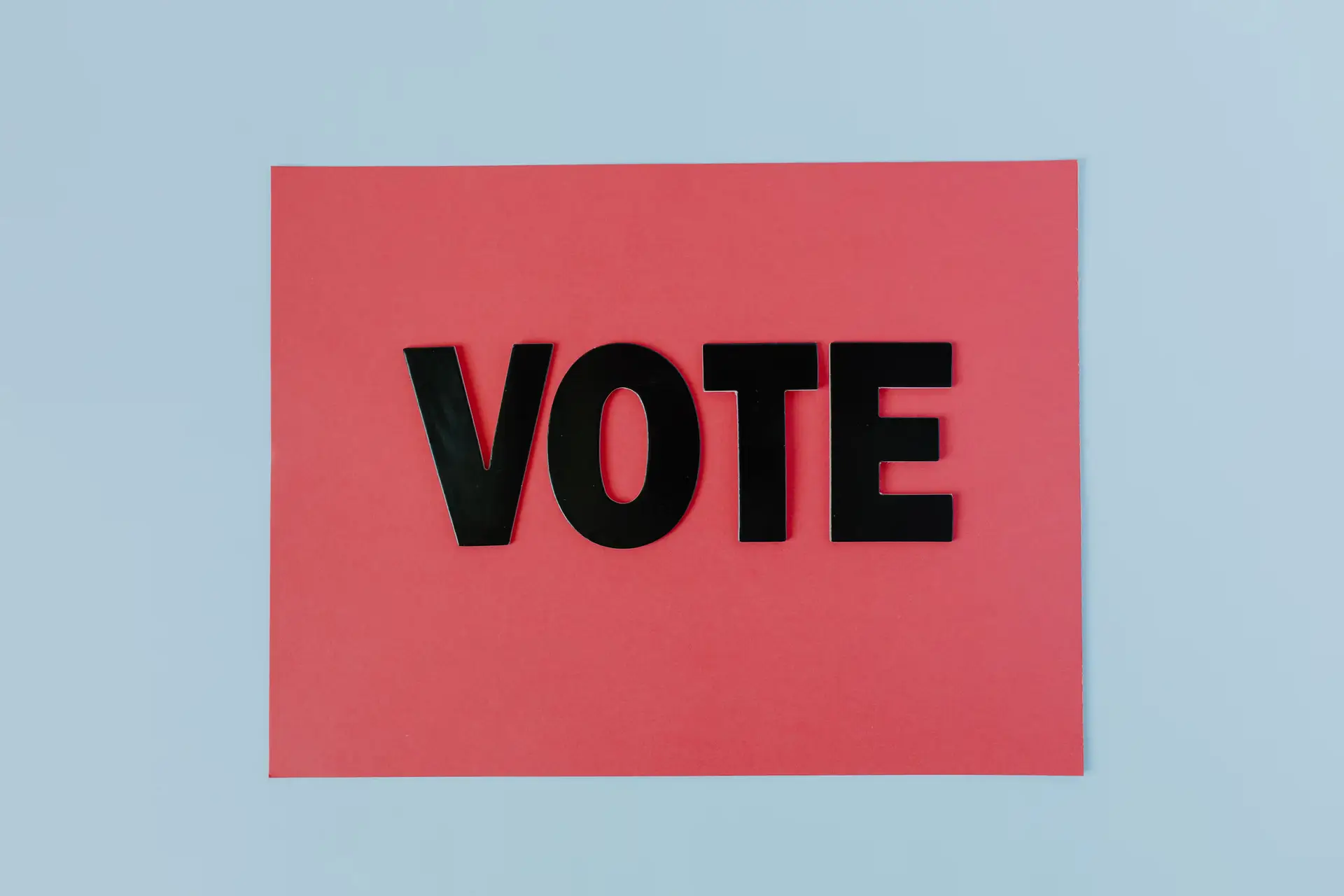
When a nation finds itself tested by war, voters rarely stay at home. By mid-afternoon on Tuesday, nearly 45 percent of the electorate in Israel had already cast their ballots. According to the Central Elections Committee, this marks the highest participation rate at this hour in half a century—a surge not seen since the aftermath of the 1973 war.
This snapshot of intense democratic activity comes despite dismal weather, complete with rain and localized flood warnings. Yet, behind the impressive participation lies a cold tactical reality. In Israel’s parliamentary system, high overall turnout dynamically raises the absolute number of votes needed to cross the 3.25 percent threshold required to enter the Knesset. As pollster and former ministerial aide Mitchell Barak pointed out, this higher bar inherently works in favor of the established incumbent parties while placing smaller factions at a distinct disadvantage.
The vote functions primarily as a stark judgment on Prime Minister Benjamin Netanyahu’s management of the security crisis following the October 7, 2023 attacks and the resulting conflicts. Five hours into voting, Netanyahu issued a public appeal to his base, warning that participation was running exceptionally high among left-wing voters and the country's Palestinian citizens, who make up roughly one-fifth of the population. Framing the election as a direct struggle for right-wing dominance, Netanyahu pressed his supporters to match the opposition's surge at the polls.
Arab politicians, including candidate Ahmed Tibi, confirmed that voting among Israeli Palestinians was indeed reaching unprecedented levels. Paradoxically, both Netanyahu and his primary challenger, Gadi Eisenkot, have explicitly ruled out forming formal governing coalitions with Arab parties, even as tactical post-election scenarios suggest a minority administration might rely on their tacit support to oust the prime minister.
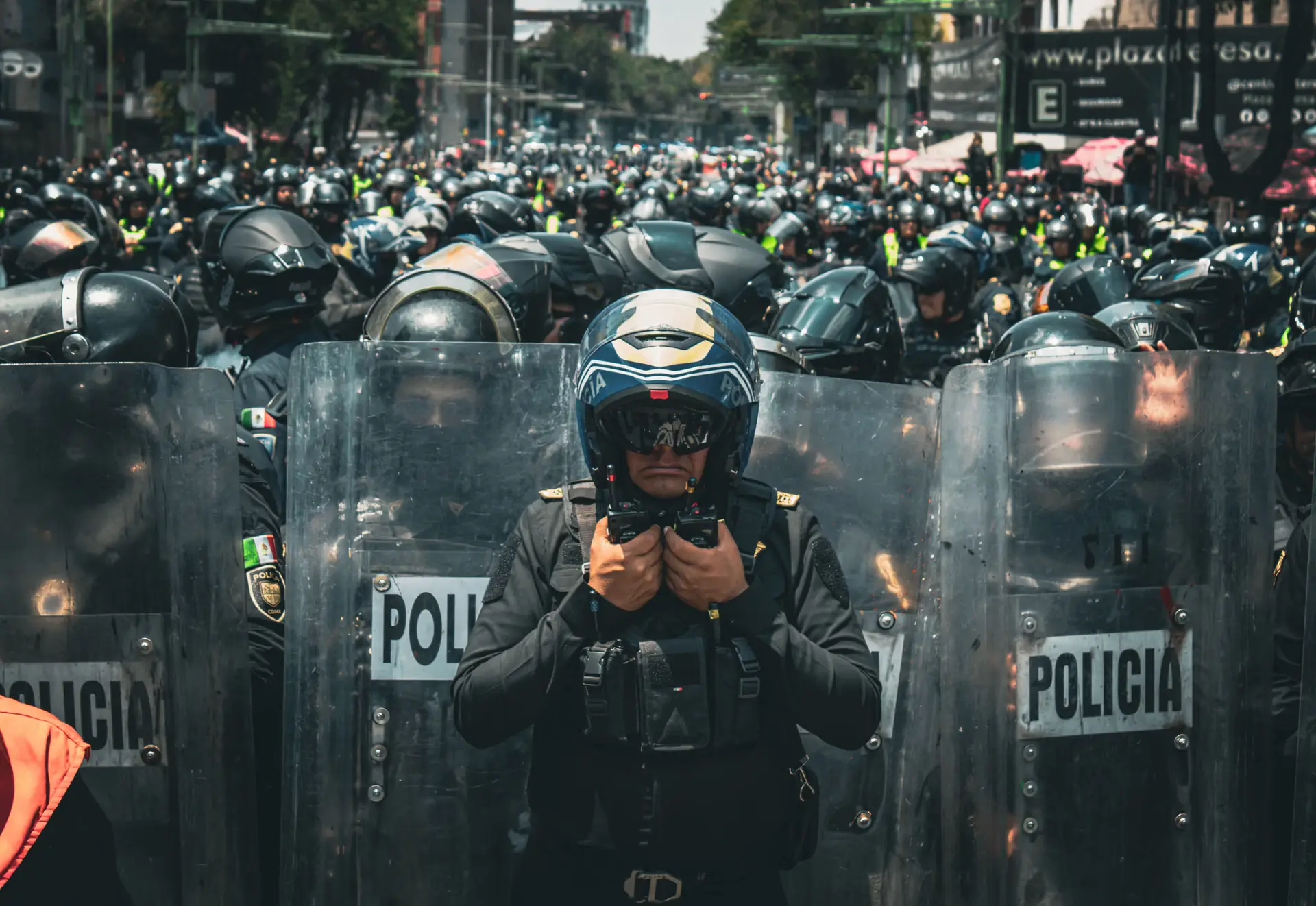
The intense participation has not unfolded without friction. The Association for Civil Rights in Israel filed a complaint with the election commission, citing widespread voting delays in at least 18 communities and questioning whether these holdups were intentional. The rights group also flagged concerns over a heavy police and National Guard deployment at polling locations in the Negev Desert, questioning whether security measures were being used under the guise of crowd control to limit access.
Written by Andreas Hofer andreas.hofer@alpineweekly.com