Oct 27, 5:02 PM
Ballots and Livestock: South Sudan's Fatal Disconnect
As Juba prepares for long-overdue national elections, brutal cattle raids in Warrap state demonstrate where real power and survival lie.
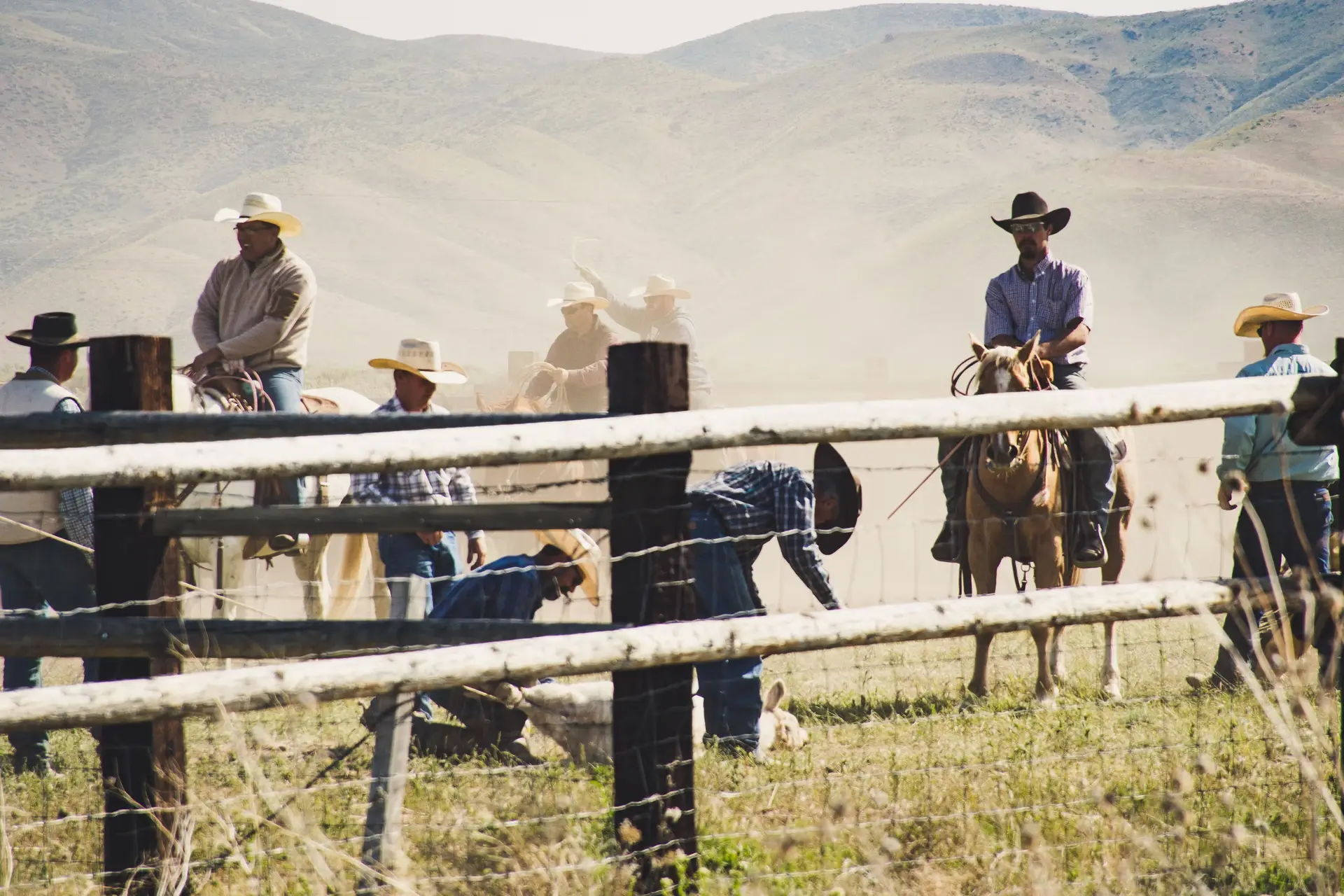
Democracy in South Sudan continues to be planned on paper while reality is dictated by blood and livestock. As the world's youngest sovereign nation stumbles toward its long-delayed presidential elections scheduled for December, the primary currency of power and survival remains cattle. The latest manifestation of this persistent state failure occurred in northern Warrap state, where a coordinated assault left at least 72 people dead and entire homesteads reduced to ash.
The violence unfolded in the Akop Payam district of Tonj North county, near the border with Unity state. Members of the Lou Ariik community launched a targeted raid against the Apuk Padoch, seizing cattle herds and torching homes. Information Minister William Wol Mayom Bol confirmed that this assault immediately followed an episode just days prior that claimed eight lives. State Governor Angelo Ngot Mayar instructed security forces to evacuate the wounded and attempt to recover the stolen animals, while issuing an appeal to international aid partners to supply food, medicine, and shelter for displaced women, children, and the elderly.
This pattern of destruction is neither isolated nor unexpected. In a region where formal financial institutions do not exist and state protection is absent, cattle represent the primary repository of wealth, social status, and the mandatory dowry required for young men to marry. Territorial disputes and revenge cycles in Warrap state have escalated steadily despite a six-month state of emergency declared last year. Conflict monitoring group Acled recorded 60 deaths and 50 injuries in the same area in August, following a similar attack in March that left 58 dead.
The political elite in the capital of Juba appears entirely detached from these rural killing fields. The upcoming December vote was intended to finalize the fragile 2018 peace deal between President Salva Kiir and his rival Riek Machar. Instead, Machar remains under house arrest in Juba after being sacked and charged with treason, murder, and crimes against humanity—allegations he denies. UN officials and human rights organizations express growing skepticism over whether basic electoral prerequisites, including voter registration and security guarantees, can possibly be completed in a nation where central authority stops far short of the provinces.
Written by Freya Stensrud freya.stensrud@alpineweekly.com