Jun 16, 6:03 PM
Gunfire Off the Isle of Wight: Naval Tensions Spill Into the English Channel
The British Ministry of Defence is investigating reports of a Russian warship firing warning shots near a private yacht.
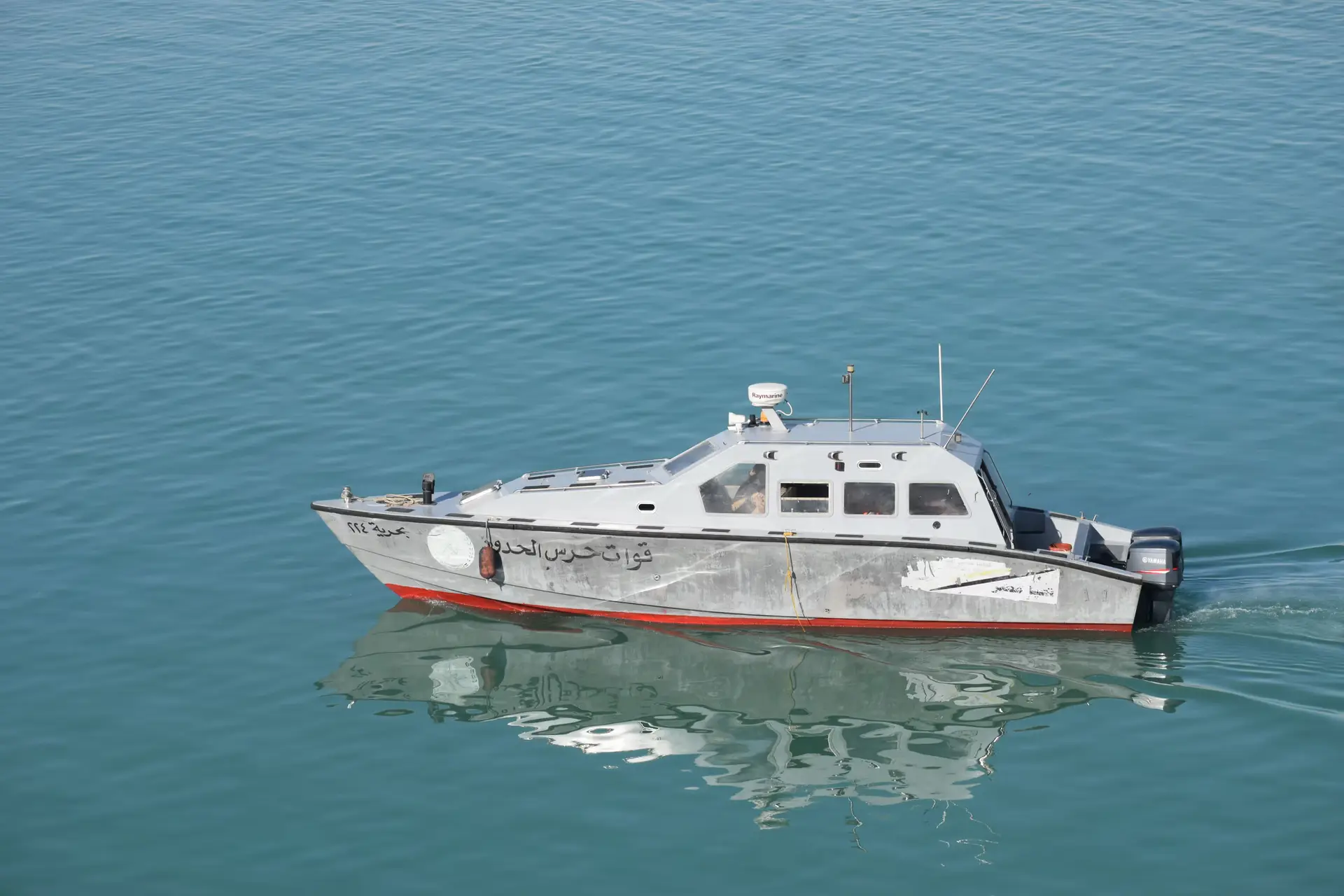
The narrow stretch of water separating southern England from northern France is accustomed to heavy commercial traffic, cross-Channel ferries, and recreational sailing. Yet, the maritime routine was abruptly interrupted on Tuesday morning. At approximately 11:40 am, a Russian warship allegedly fired warning shots in the vicinity of a civilian yacht. The encounter reportedly occurred midway between the Isle of Wight and the Normandy coast, roughly 20 nautical miles south of the British shoreline.
Authorities in London are currently attempting to piece together the exact sequence of events. A spokesperson for the British Ministry of Defence confirmed the ongoing inquiry, stating, We are investigating reports of an incident in the Channel. Bureaucratic machinery rarely moves with the speed of naval artillery, meaning a definitive account of the confrontation may take some time to emerge from Whitehall.
This maritime friction does not occur in a vacuum. The reported gunfire comes mere days after a separate, yet geographically adjacent, naval operation. British commandos recently intercepted and boarded a vessel suspected of belonging to the Russian shadow fleet. That prior intervention established a heightened state of alert in the region, transforming a usually predictable commercial artery into a theater for military posturing.
For decades, the primary hazards in the Channel were unpredictable weather and the sheer density of shipping containers. Now, European governments must factor state-level naval maneuvers into their coastal security calculus. If the reports of warning shots are accurate, they demonstrate how easily broader international disputes can manifest in immediate, localized disruptions. Civilian yachtsmen setting sail from the southern English coast might now require more than just a favorable wind and a reliable compass.
The proximity of these events to major European shores points to the increasingly porous boundary between distant strategic interests and domestic territorial waters. While the Ministry of Defence gathers its intelligence, the broader effects on maritime commerce and recreational navigation remain somewhat ambiguous. State actors operating military hardware near busy civilian shipping lanes naturally elevate the risk of miscalculation. For the moment, the waters off the Isle of Wight are under intense scrutiny, as naval observers and defence officials await clarity on what exactly transpired on Tuesday morning.
Written by Sandy van Dongen sandy.vandongen@alpineweekly.com