Oct 26, 9:02 AM
Gucci, Glitter, and the Senate: Trump’s Michigan Circus
As control of Congress hangs in the balance, a pop star on Air Force One offers a stark look at modern political campaigning.
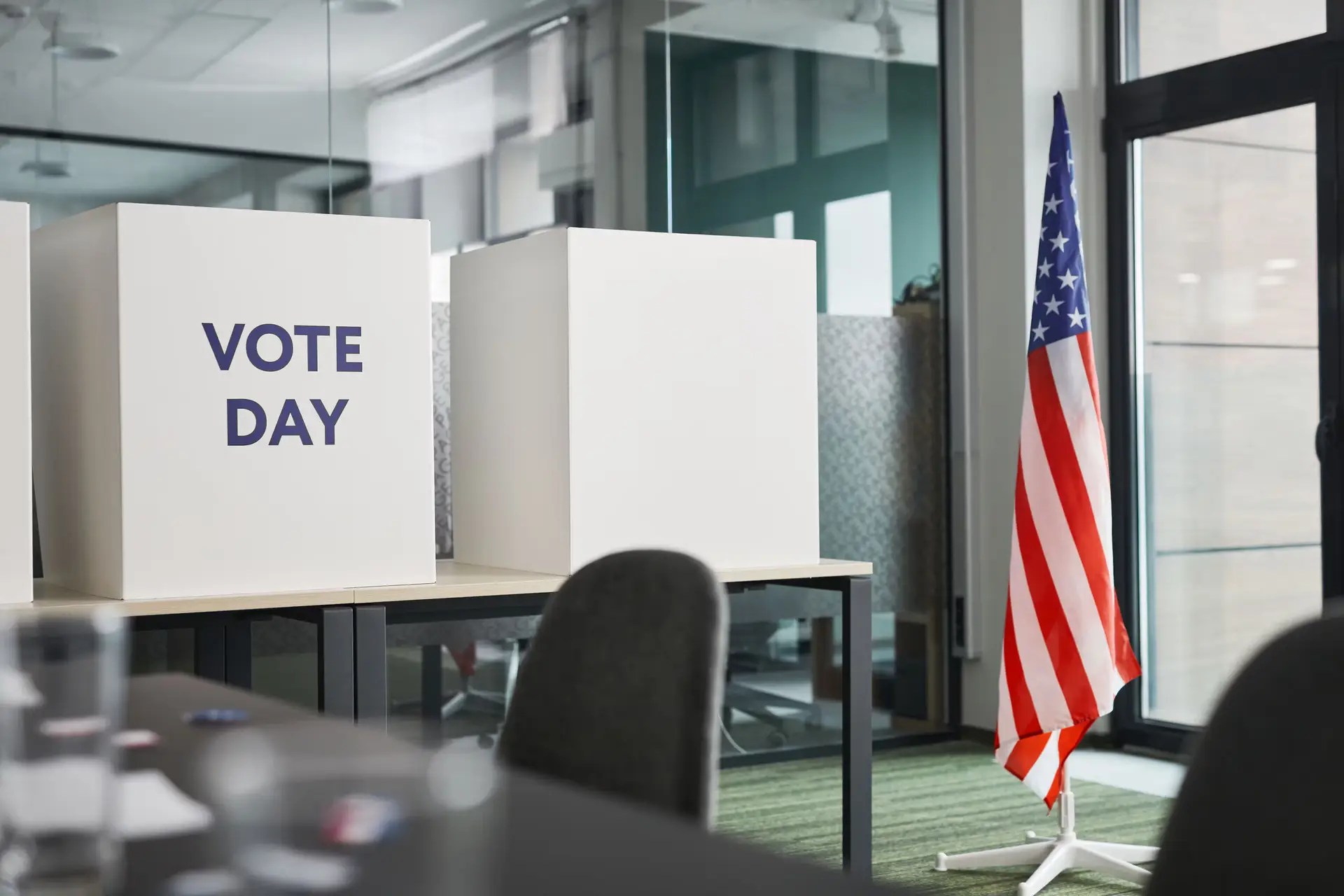
American political campaigns have long relied on the alchemy of star power and spectacle, but the recent rally in Port Huron, Michigan, took the fusion to a remarkably explicit level. With control of Congress hanging in the balance ahead of the November 3 midterm elections, President Donald Trump shared the stage with rap star Nicki Minaj. The appearance underscored how deeply political strategy in the United States has merged with pop culture showmanship.
Minaj arrived in Michigan aboard Air Force One, having filmed a comedic video on board pretending to interview for the White House press secretary post—a position recently vacated by Katie Zacharia just five days after an uncomfortable public debut. Clad in a gold Gucci suit, the artist addressed the rally crowd, encouraging voters to back the Republican slate. She framed the upcoming vote as a critical inflection point for the nation, insisting that the president had altered the country's trajectory and offered a compelling vision for the future. Despite having voiced criticism of certain White House policies during Trump’s first term, she has previously characterized herself as his foremost admirer.
The event demonstrated Trump’s typical campaign repertoire, combining political calls to action with commentary on personalities and physical traits. Before inviting Minaj to speak, the president made candid remarks regarding her appearance, subsequently expressing hope that she was not offended by the commentary, while later praising her intellect as she departed the stage.
Yet, beneath the glittering surface of celebrity endorsements, the political reality in Michigan remains intensely contested. Democrats are pushing aggressively across the state to reclaim momentum. The rally also highlighted the sharp rhetorical lines of the campaign, as Trump targeted political rivals such as El-Sayed, questioning his background and accusing him of harboring extreme sympathies. El-Sayed pushed back firmly in campaign messaging, dismissing the rhetoric as a cynical distraction from pressing economic anxieties—ranging from rising prices at fuel pumps and grocery stores to escalating healthcare expenses.
Whether a gold-suited hip-hop icon can sway undecided midwestern voters remains an open query for campaign strategists. What is clear, however, is that as polling day approaches, the boundary between political debate and entertainment industry spectacle has effectively dissolved.
Written by Martina Kirchner martina.kirchner@alpineweekly.com