Oct 26, 9:02 AM
Europe's Ten-Billion-Euro Orbit Dream
The European Space Agency wants multi-billion-euro backing for sovereign human spaceflight, but grand summits cannot substitute for market competitiveness.
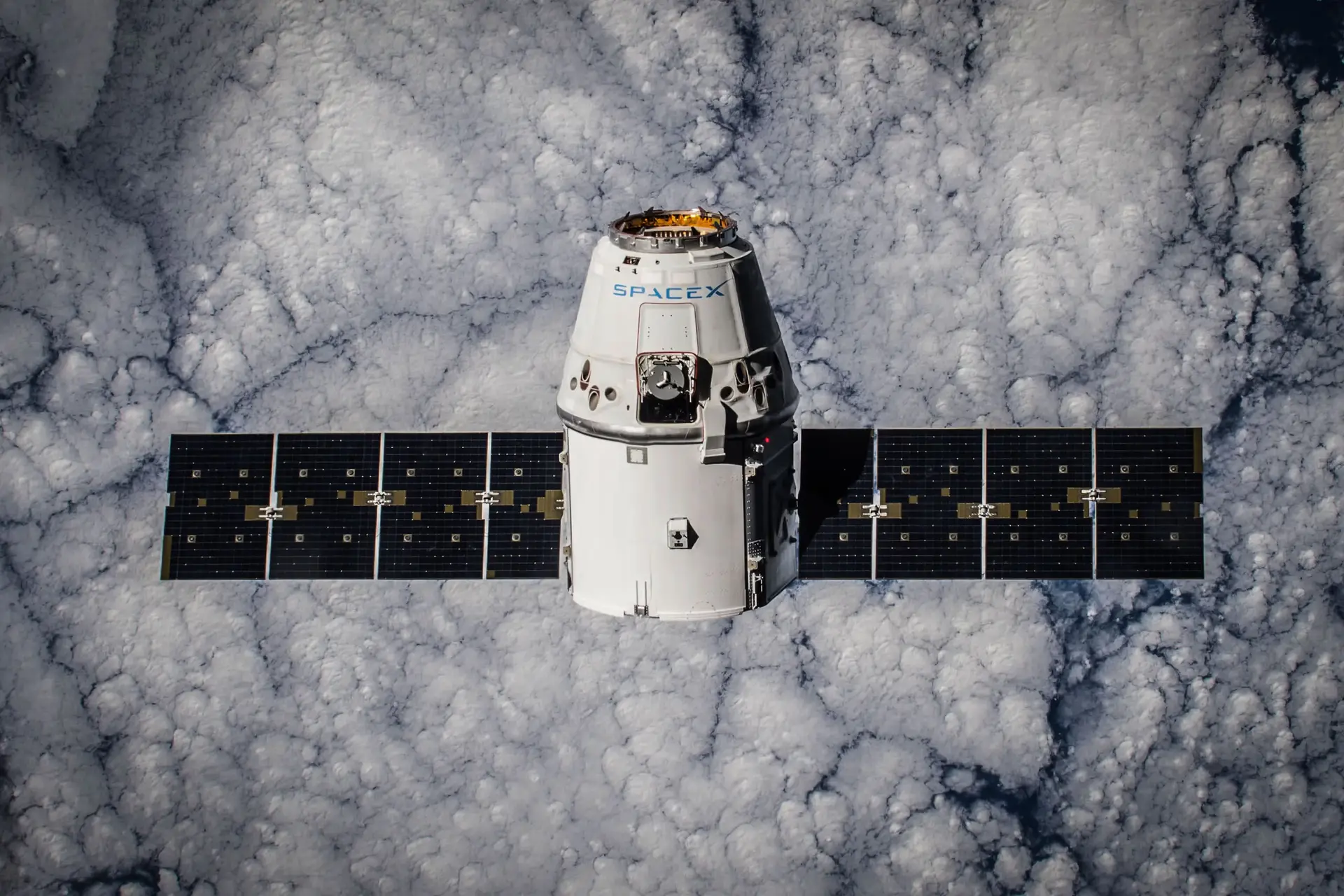
Whenever European bureaucracies face an embarrassing deficit in strategic independence, the default reflex is predictably uniform: propose a multi-billion-euro industrial blueprint and convene a high-level summit. As the European Space Agency prepares for its Intermediate Ministerial Meeting in Rome on 15 December 2026, member states are confronted with a ten-billion-euro proposal designed to launch European astronauts into orbit without begging American providers for seat reservations.
ESA Director General Josef Aschbacher estimates that purchasing ride-shares from foreign suppliers over the coming decade will drain roughly five billion euros from European taxpayers. His proposal doubles that bill upfront, demanding ten billion euros over ten years to build a sovereign crewed spaceflight program. The logic reflects standard European industrial planning: keep capital within continental borders rather than transferring commercial revenue abroad. Yet, channeling public funds into heavy state-backed projects rarely guarantees market competitiveness, especially when stacked against nimble private sector pioneers across the Atlantic.
Europe’s sovereign access to orbit currently relies on traditional hardware like the heavy Ariane 6 and the medium Vega-C launcher. The latter achieved a quiet success in September 2026 by placing the FLEX and Sentinel-3C Earth observation satellites into orbit. However, genuine technological dynamism is increasingly found outside established institutional channels. German venture Isar Aerospace demonstrated this shift on 5 September 2026, when its Spectrum rocket successfully reached orbit carrying five small satellites, recovering cleanly from a maiden flight that failed after thirty seconds in March 2025.
State agencies are gradually realizing that acting as an anchor customer yields better results than trying to manage every component. On 10 September 2026, ESA signed a contract worth up to 760 million euros with The Exploration Company for the Nyx cargo capsule under the ALADDIN initiative, committing 310 million euros for a demonstration flight to the International Space Station. Meanwhile, private actors are attempting to move toward reusable technologies, including French venture MaiaSpace and Italy’s Avio.
For Italy—a country where industrial talent frequently outpaces political infrastructure—the upcoming summit offers a chance to coordinate its fragmented space ecosystem. In June 2026, parliamentary group leader Andrea Mascaretti launched the States General of the Space Economy to align regional clusters across sixteen regions. Whether these coordinated state strategies can keep pace with global reality before the International Space Station retires by 2030 will depend on whether ministers in Rome prefer commercial discipline over expensive political posturing.
Written by Sandy van Dongen sandy.vandongen@alpineweekly.com