
Jun 16, 2:03 PM
Gravity Claims Another Russian Bomber in Unforced Error
A routine training flight in the Irkutsk region ends in mechanical failure and a hospitalized crew.
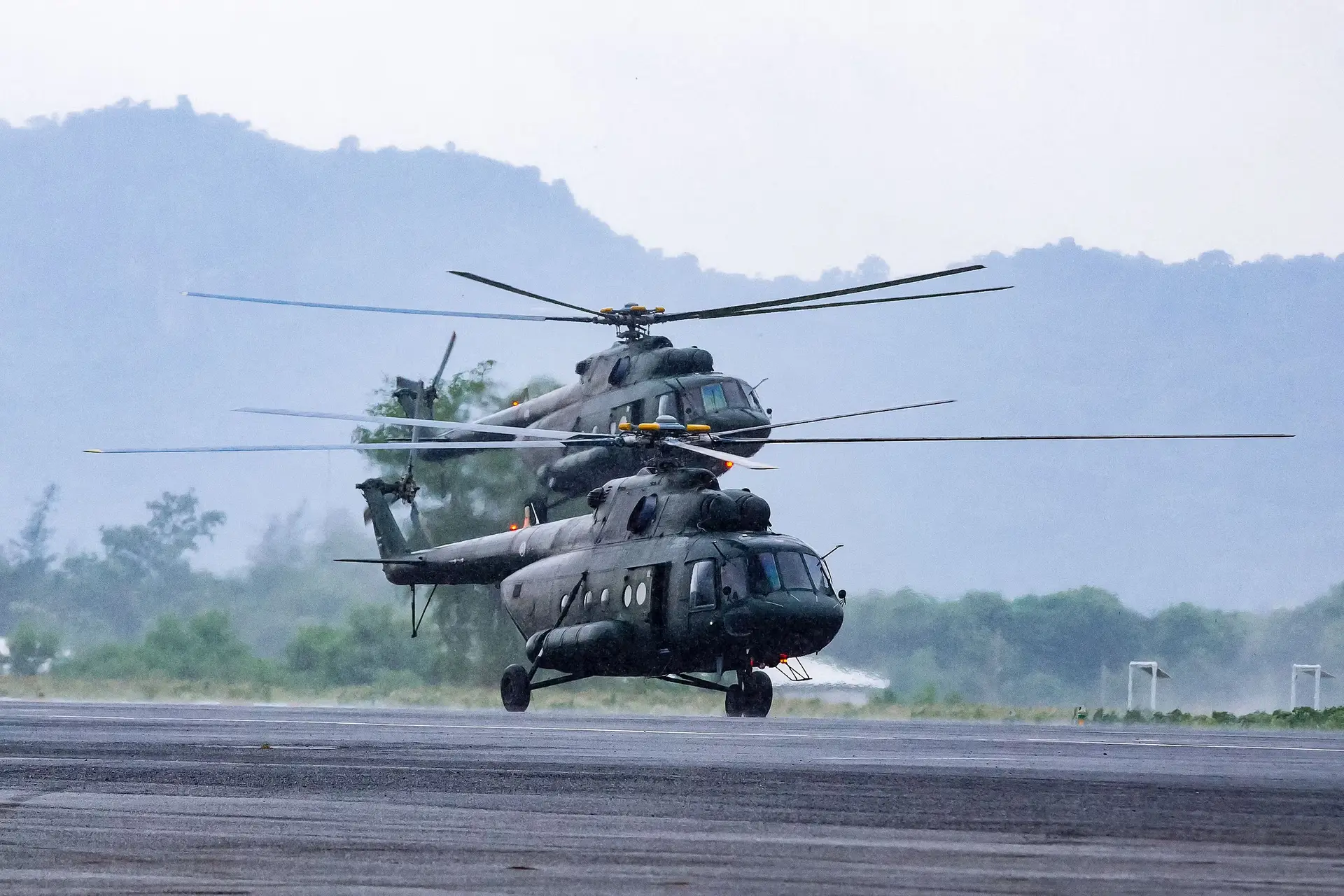
The projection of hard military power relies heavily on the ability to keep one's aircraft airborne. Moscow’s latest demonstration of this basic principle has fallen rather short in the Irkutsk region. A Tu-22M3 strategic bomber, a machine designed to project deterrence, instead succumbed to gravity during a routine training exercise. The cause appears remarkably mundane for an aircraft of such grand designation, with reports pointing toward a simple engine failure. Gravity, it seems, remains an undefeated adversary for aging military hardware.
The Russian Defence Ministry was characteristically swift to manage the optics of the sudden loss. Military officials confirmed the incident, ensuring the public that the bomber was entirely free of weaponry at the time of its unexpected descent. They also reported that the crew managed to eject from the failing aircraft. However, the concept of a safe ejection from a plummeting strategic bomber is somewhat relative. Four individuals from the flight were subsequently transported to a hospital for medical treatment.
There is a distinct irony in a strategic asset destroying itself far from any theatre of conflict. A training flight is meant to hone operational readiness, yet this exercise in Irkutsk merely subtracted a highly specialized bomber from the state's inventory. Engine failure, the suspected culprit, speaks volumes about the mechanical realities lurking behind the polished veneer of state military parades. When complex machinery operates under the strain of continuous military posturing, the weakest link invariably snaps.
The official emphasis on the aircraft flying unarmed is a standard bureaucratic reflex. The Defence Ministry explicitly noted that the bomber carried no weapons during the flight, a detail meant to reassure those on the ground and mitigate the public embarrassment of the loss. Yet, the absence of ordnance does little to alter the fundamental problem of an expensive, complex bomber failing to complete a basic training route. An unarmed crash is still a crash, and a hospitalized crew represents a loss of highly trained human capital, at least temporarily.
Strategic bombers are the ultimate symbols of a nation's reach and destructive capability. Watching one drop out of the sky over domestic territory due to internal mechanical faults offers a rather different kind of spectacle. The Irkutsk incident provides a stark contrast between the ambitious geopolitical goals of the Russian military apparatus and the stubborn, unyielding realities of aerospace engineering. As the four crew members recover in their hospital beds, the state is left with a smoldering crater where a strategic asset used to be.
Written by Martina Kirchner martina.kirchner@alpineweekly.com