
Aug 24, 8:03 AM
From Caves to Cubicles: The Bureaucracy of Extremism in Afghanistan
Five years after seizing power, the Taliban are discovering that enforcing archaic dogma is easier than running a functioning state.
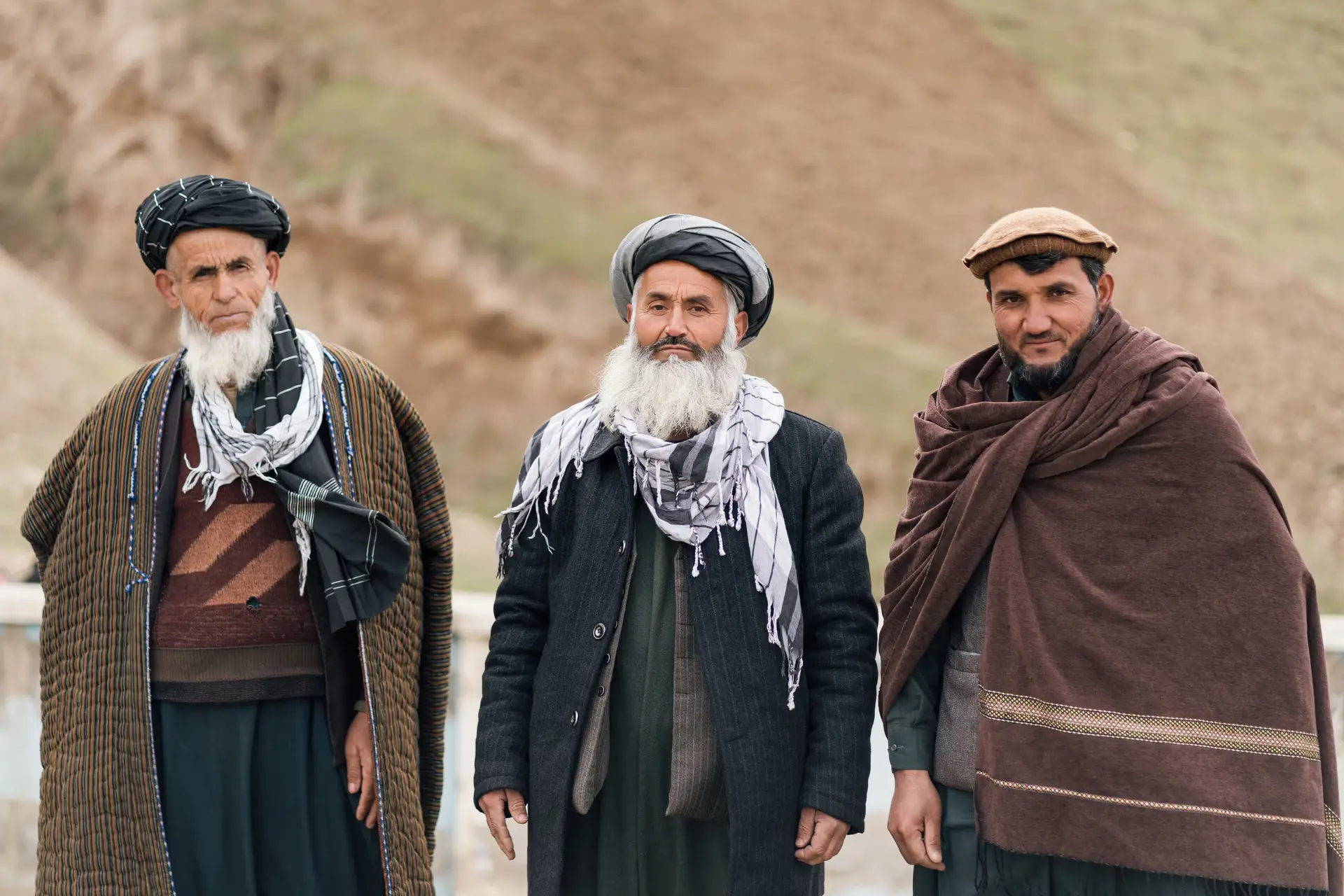
Five years after sweeping back into Kabul, the Taliban’s transition from insurgents to desk-bound bureaucrats is complete. The men who once orchestrated suicide bombings are now navigating the frustrations of middle management. For Abdullah Sarhadi, the governor of Jawzjan province and a former Guantanamo Bay detainee, the current administrative hurdle is a government ban on smartphones for officials. He complains that relying on old-style mobile phones has severely slowed down the transmission of documents. It is a surreal image: a hardline militant grumbling about office IT protocols.
Beneath this bureaucratic veneer lies an administration tethered to a draconian interpretation of Sharia law. Sarhadi, who proudly admits to personally destroying the ancient Bamiyan Buddha statues, now presides over domestic disputes with the same archaic worldview. When a young woman petitioned him for a divorce from an abusive husband, the governor advised her to compromise. He subsequently declared women to be deficient in intellect, drawing laughter from his entourage. In the Taliban’s courts, a woman seeking a divorce must secure her husband's consent, which often involves extortionate financial demands.
The regime’s attempt to project a reasonable image is spearheaded by chief spokesman Zabihullah Mujahid, who recently revealed his real name to be Tahir Shah Seddiqi. Speaking from a lavish press centre in Kabul, Seddiqi dismisses early promises that women would remain active in society. He insists that allowing women into offices would inevitably undermine their dignity. We are committed to women's rights, freedom of speech and other things within Sharia, he claims. This effectively rubber-stamps the exclusion of women from secondary schools, universities, and public spaces.
The men enforcing this societal paralysis are unequipped for governance. Habibullah Badr, who once planned suicide attacks across Kabul, recently served as the deputy head of the national prison system. When confronted at a tribal gathering by a local leader requesting the reopening of girls' schools, Badr’s associates simply cut the microphone. Dissent is swiftly silenced, with journalists routinely summoned by the Estikhbaraat intelligence agency and female protesters jailed.
While the leadership micromanages daily life—mandating beards for men in Kandahar and banning female voices on the radio—the economy is collapsing. The United Nations reports that three out of four Afghans cannot meet their basic needs. Even loyal foot soldiers now plead for water, roads, and clinics, expressing a naive hope that the government will eventually provide. But a regime that fears educated women more than mass starvation is incapable of building a functioning state.
Written by Thorben Thiede thorben.thiede@alpineweekly.com