Oct 31, 3:01 PM
France's Eternal Protest Machine Returns to the Streets
Fearing downtown riots, authorities clash in court over march routes while deploying 70,000 police officers.
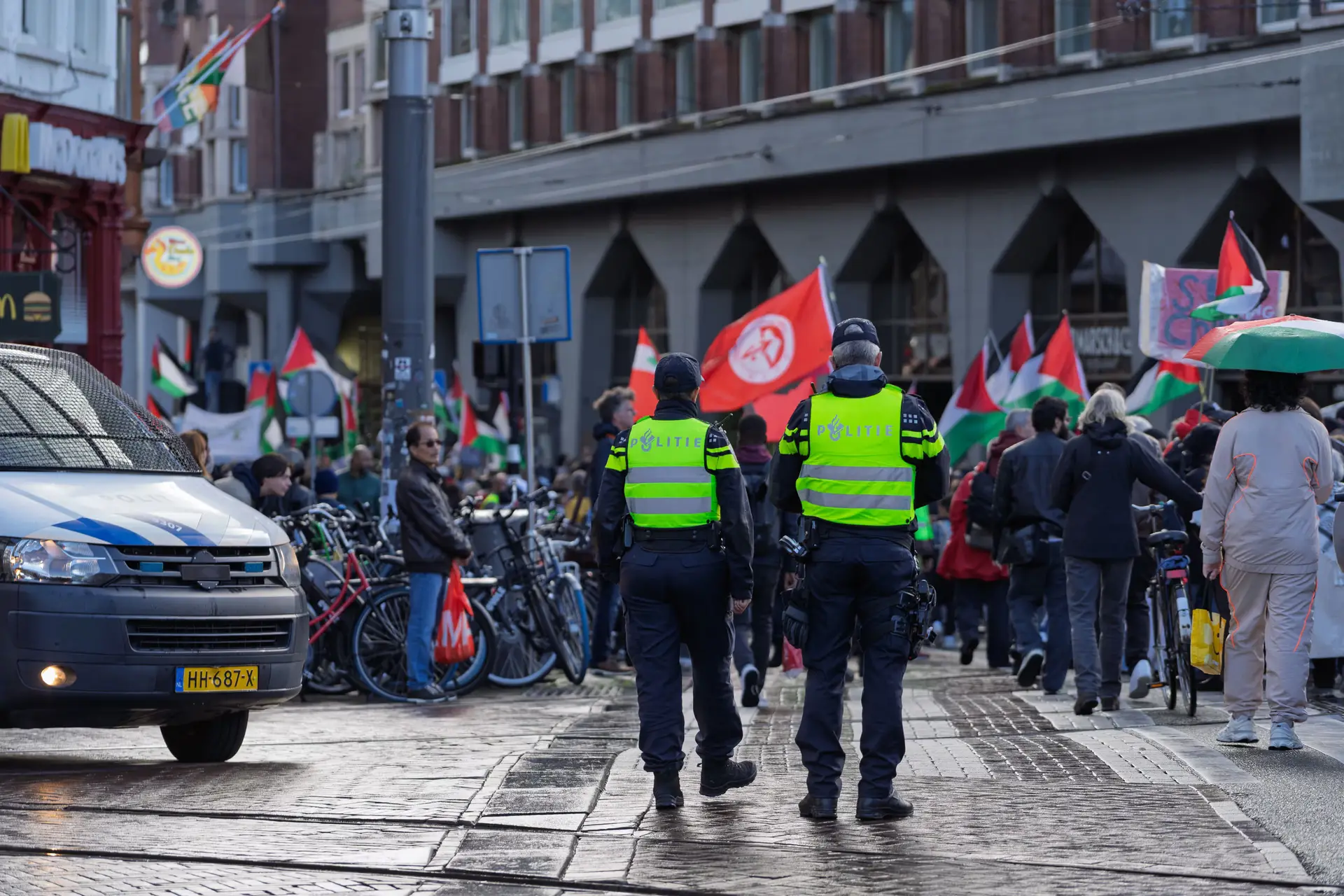
Autumn in Paris brings a predictable choreography: falling leaves, industrial action, and tens of thousands of citizens marching through the avenues to demand that a fiscally strained state somehow lower their cost of living. This weekend, the traditional ritual reaches another peak as trade unions, student organizations, and the resurrected Yellow Vests join forces to channel public frustration into a nationwide spectacle.
What began in mid-October as a targeted complaint over school funding has predictably snowballed into a broader grievances catalogue. Hundreds of thousands of protesters are expected to spill onto the streets of French cities. The underlying logic remains distinctly French: when household budgets face pressure from inflation and sluggish growth, the default demand is more public spending, heavier subsidies, and expanded state intervention.
Keeping this exercise in public anger from descending into outright violence requires a militarized domestic operation. Approximately 70,000 police officers have been mobilized across the country. Their main assignment is not traffic control, but preventing the familiar side effects of French social mobilization: arson, attacks on administrative buildings, and the systematic looting of downtown storefronts. Following heavy riots in mid-October, law enforcement managed to keep a fragile lid on the turmoil last week, yet the risk of escalation remains acute.
The administrative theater surrounding the demonstrations highlights the paralysis of the state. Fearing that central Paris would turn into a combat zone, the Paris Police Prefecture ordered the demonstration routes pushed away from the city center toward the periphery. Union leaders promptly challenged the directive in court. An administrative tribunal initially sided with the organizers on Friday evening, restoring the central route. That victory lasted only hours before the Council of State intervened in the middle of the night, overturning the decision and banishing the parade back to the outer edges.
This legal struggle reflects a deeper institutional absurdness. While state organs spend late-night hours debating precisely which boulevards may host the procession, structural economic reform remains off the table. Shoving marchers to the periphery of the capital may keep shop windows intact for another afternoon, but it leaves the fundamental problem unaddressed: a society addicted to state dependency, resisting the basic arithmetic of public finance.
Written by Andreas Hofer andreas.hofer@alpineweekly.com